The Museum of Latin American Art of Buenos Aires is using this year’s winter holiday period to foreground its education program with 'Las chispas entre nosotros', a season of activities and workshops for children, young people and adults inspired by works by Abel Rodríguez / Mogaje Guihu, Belkis Ayón, Dan Flavin and the Malba-Costantini Collection. Running from Monday 20 July to Sunday 2 August, the programme is built around the idea of a spark: a small impulse that begins something, becomes an artwork and opens new ways of making, imagining and discovering.
The museum’s education team presents the series as a set of guided encounters and hands-on workshops designed to be accessible across age groups, with sessions for children accompanied by adults as well as one workshop for young people and adults. According to Malba’s event page, the activities are organised around the museum’s current exhibitions and collection displays, and are intended to create a space where visitors can experiment with different materials, transform colours and memories into their own productions, and test how looking can become a form of shared learning.
A key strand of the programme centres on Abel Rodríguez / Mogaje Guihu, the Colombian artist and plant-knower whose work appears in two family sessions and in Malba’s broader education cycle. In 'Antes de que llegue el olvido', children are invited to follow Rodríguez’s drawings of trees, fruits, animals, rivers, plantations and paths, which the museum describes as a way to illuminate and share knowledge rooted in the Amazon and in the worldview of the nonuya and muinane communities. Another workshop, 'Pequeñas maneras de mirar un árbol', uses collected plant material, botanical illustrations, natural inks and ecoprint techniques to connect children with Buenos Aires’s urban tree landscape.
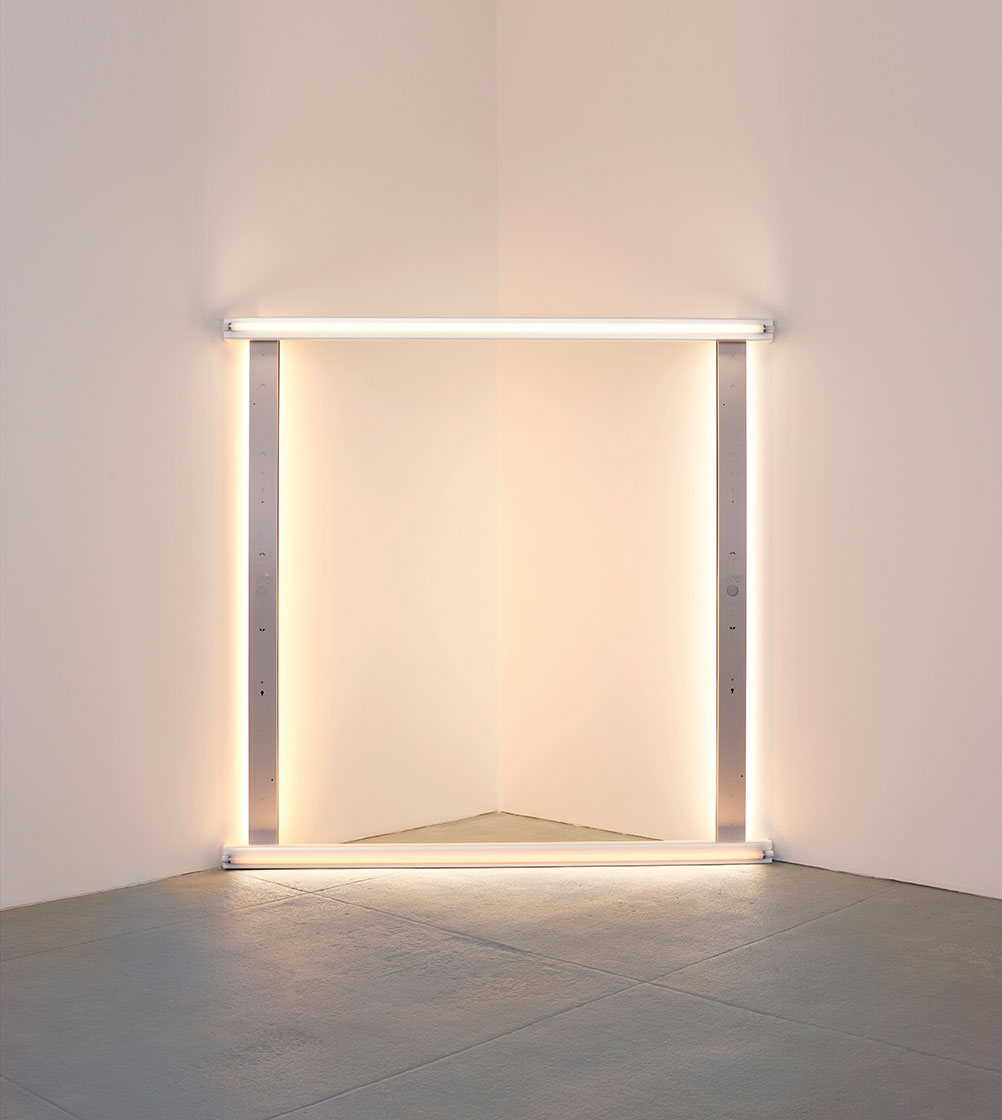
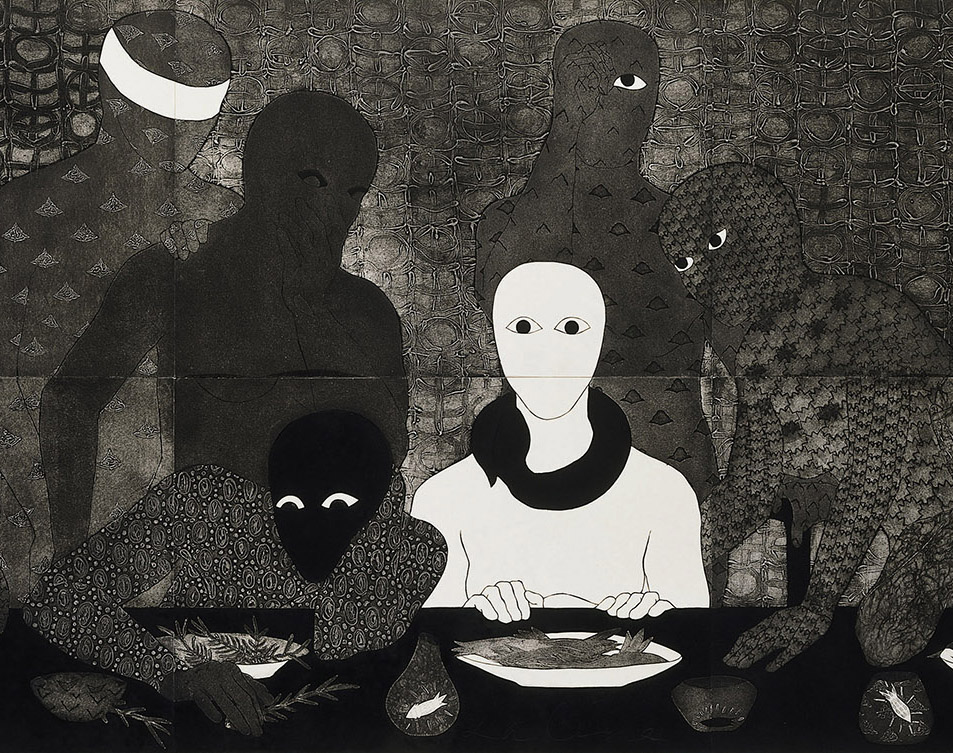
'El latido de la luz' turns to Dan Flavin, whose work at Malba is described as transforming space through fluorescent tubes, colour and light. The workshop asks children to explore how superimposed transparent coloured papers can alter what they see and produce new combinations of light. Malba’s text places Flavin in dialogue with the fading material history of fluorescent lighting, while stressing how light in his work continues to generate new experiences of place and perception. The programme also includes 'Destellos en la oscuridad', which takes as its point of departure Belkis Ayón’s black-and-white prints, in which shadows, textures and traces are linked to an Abakuá myth and transformed through collography and collage into layered images of silence, disappearance and reappearance.
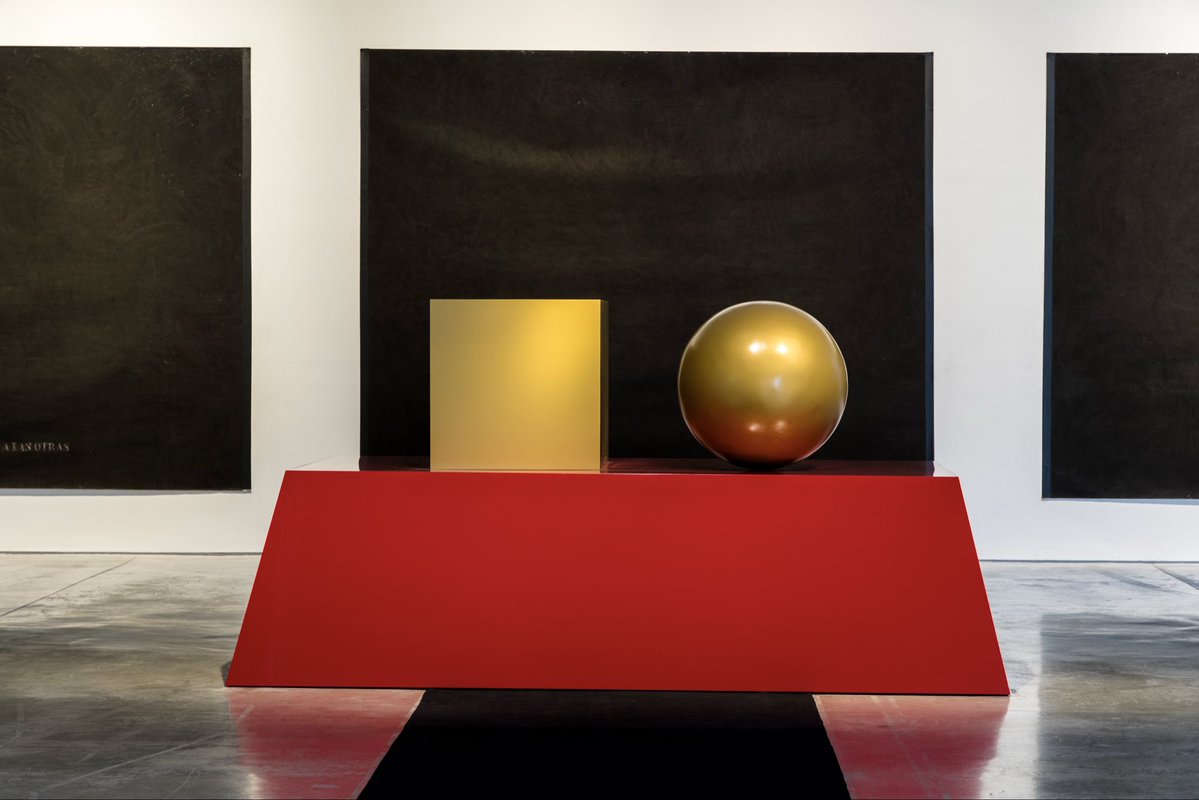
The winter line-up also extends to the Malba-Costantini Collection through 'Historias encendidas', a workshop that looks for organic forms in transformation and asks what figures and stories can be created by hand. For older participants, the cycle 'Modos de hacer: El trazo de la naturaleza' is scheduled for Monday 27 July at 17:00 and draws on Rodríguez’s visual record of the nonuya cosmology, inviting young people and adults to work with vegetal materials and techniques linked to the artist’s process.
The schedule matters beyond the holiday calendar because it reflects how major museums are increasingly using education not as a secondary service but as a central way to interpret complex art. Malba’s programme ties contemporary and historical works to sensory, participatory activity, and presents Latin American, Caribbean and international art through encounters framed by memory, ecology, light and collective storytelling. In a museum context, that makes 'Las chispas entre nosotros' less a side event than a statement about how art can be encountered across generations and through making as well as looking.