 Image: Museum of Latin American Art of Buenos Aires
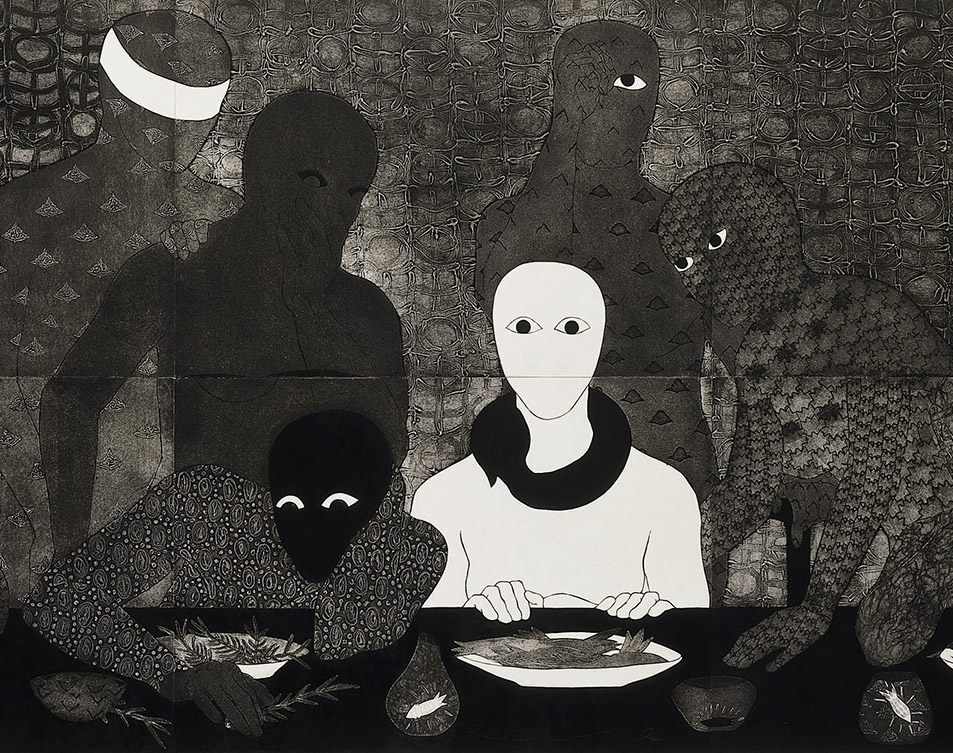
The Museum of Latin American Art of Buenos Aires will open ‘Belkis Ayón: Mito y desobediencia’ on July 17, 2026, bringing together seven works by the Cuban artist Belkis Ayón from the Malba–Costantini Collection. The exhibition runs through October 12, 2026, at Malba Buenos Aires, on Level -1, and focuses on a formative period in Ayón’s career from 1991 to 1998.
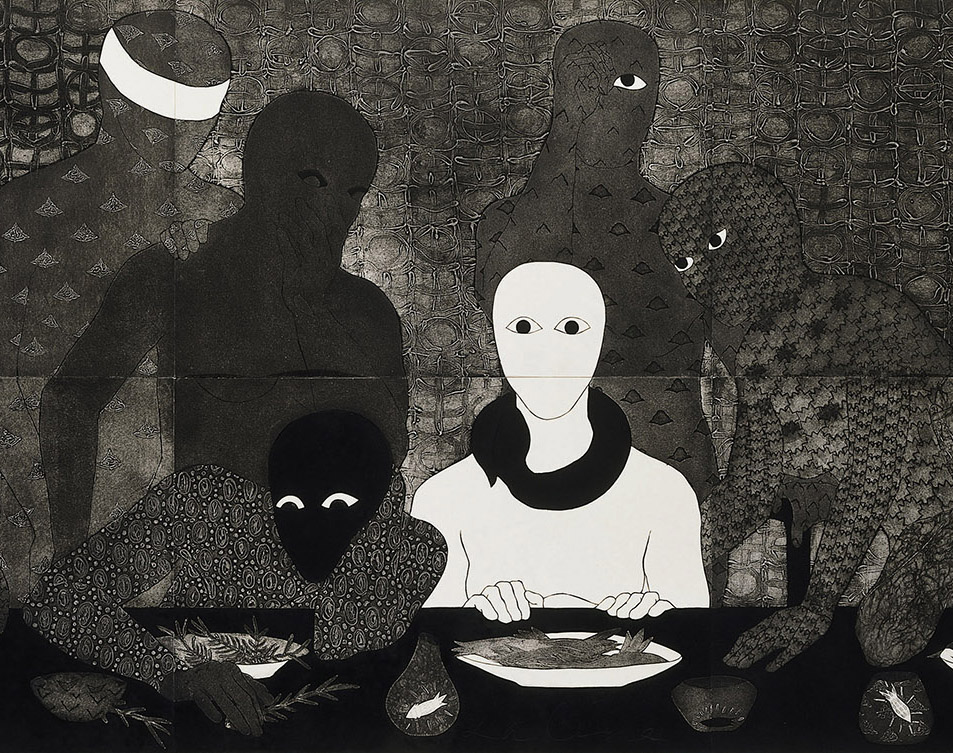
According to the museum, Ayón was an influential Cuban artist and printmaker who transformed contemporary graphics through her use of collography. The technique, based on matrices built as collages of materials on plates usually made of cardboard, allowed her to create a visual language defined by rich textures and tonal variation. The works in the exhibition are presented as a concentrated view of that method and of the artist’s sustained engagement with myth and ritual.
The show centers on Ayón’s treatment of the myth of the Abakuá secret society, a male fraternity originating in the Calabar region, now in Nigeria, that arrived in Cuba in the 19th century through the transatlantic slave trade. MALBA says Ayón began researching the myth around the age of 17, while studying printmaking at the San Alejandro Academy of Art in Havana, after reading Lydia Cabrera’s ‘El monte’. Cabrera’s writing on Afro-Cuban spirituality and religious diversity accompanied Ayón’s formation as an artist.
The exhibition places particular emphasis on Sikán, a central figure in the Abakuá foundational myth. In the works included here, made between 1991 and 1998, Ayón re-signified Sikán to question the patriarchal character of the fraternity. The museum also frames the artist’s imagery as an attempt to give visual form to a ritual tradition that had been transmitted orally, without prior visual representation.
Beyond its mythological subject matter, ‘Mito y desobediencia’ is also presented as a meditation on art as a site of resistance. MALBA links Ayón’s practice to the climate of the 1990s in Cuba, describing that decade as one marked by marginality, fear and censorship during the crisis that followed the collapse of the European socialist system after the fall of the Berlin Wall in 1989.
The exhibition is curated by María Amalia García, Alejandra Aguado and Nancy Rojas. MALBA’s page lists guided visits on Mondays at 5:00 pm, and the museum also notes related educational activities and micro-mediations in connection with the exhibition. Ayón, who was born in Havana in 1967 and died in 1999, is represented in the museum’s presentation as an artist whose work has continued to draw international attention, including through major awards and exhibitions during her lifetime.