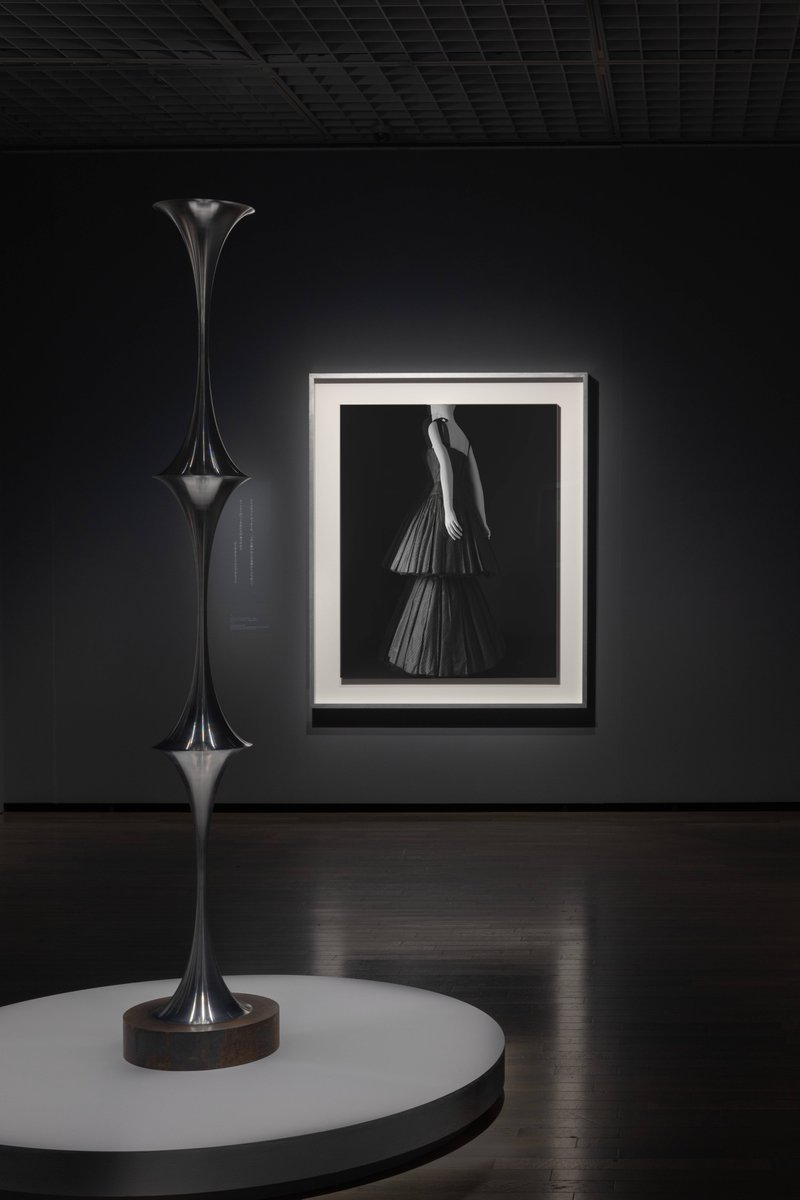
 Image: The National Museum of Modern Art, Tokyo
Hiroshi Sugimoto is drawing attention to clothing through the long history of dress and the language of sculpture. In a post shared by the National Museum of Modern Art, Tokyo, the artist is described as looking at clothing, which has a history as old as humanity itself, and approaching the work of contemporary fashion designers from a perspective that sees “the human body and the artificial skin that wraps it” as modern sculpture.
The museum’s note presents Sugimoto’s idea as a way of reframing fashion as more than utility or style. Rather than treating garments only as objects of design, the statement places them in relation to sculpture and the body, suggesting a conceptual overlap between clothing, surface and form. The wording also situates the discussion within a broader art-historical frame, linking contemporary fashion design to modern sculpture through the metaphor of an artificial skin.
Sugimoto, known internationally as an artist working across photography, installation and architecture, has long been associated with meditations on time, perception and form. The museum’s post does not expand on a specific exhibition or project, but it highlights this new line of thought as part of his ongoing engagement with how images and objects can be read beyond their immediate function. In this case, the emphasis falls on clothing as a medium that sits between the body and the constructed world.
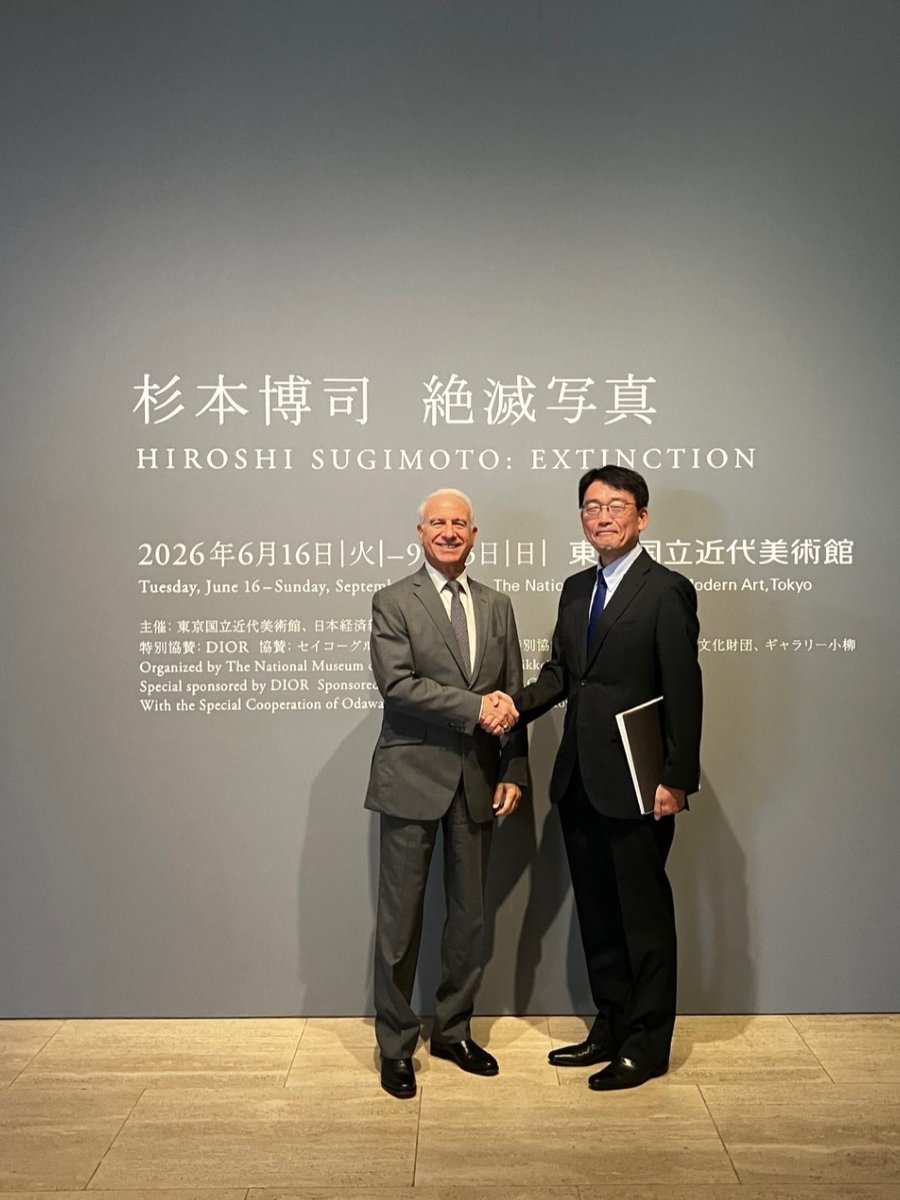
The National Museum of Modern Art, Tokyo, which issued the remark, is one of Japan’s major institutions for modern and contemporary art. Its public communication often draws attention to artists’ ideas and research as well as to exhibitions and collections, and the new post continues that approach by foregrounding Sugimoto’s interpretation of fashion through sculpture. The museum’s wording also places the conversation at the intersection of modern art and design, rather than in a purely runway or costume context.
No exhibition dates, venue information or accompanying programme details were given in the post. The announcement is instead limited to Sugimoto’s conceptual reading of clothing and to the museum’s framing of that reading as a way to consider the human body and its coverings as modern sculpture.