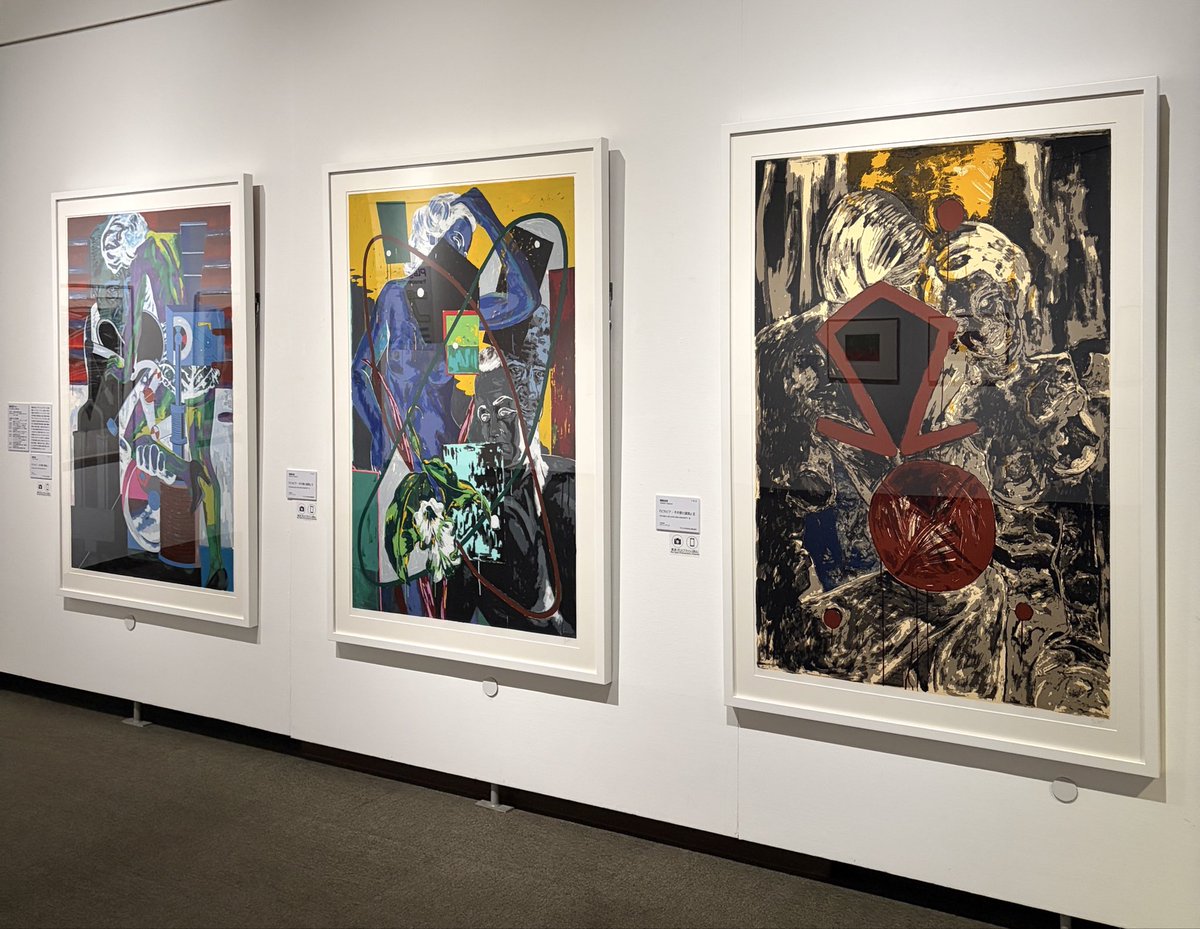
 Image: Machida City Museum of Graphic Arts, Tokyo
Machida City Museum of Graphic Arts has highlighted a work by Tadanori Yokoo, identifying ‘Picavia - Love and Sincerity’ from 1989 as an exhibition feature. The museum’s post presents the piece as part of its ongoing focus on graphic arts and print culture, and places it within Yokoo’s long career as a multidisciplinary artist.
Yokoo is described in the source material as a globally active artist who has worked across graphic design, painting and fiction. The museum’s text points to the shift that followed his 1980s declaration as a painter, after which he continued moving between painting and printmaking while deepening a distinct personal visual language. No additional details about the work’s size, medium or subject were provided in the source.
The museum’s framing situates ‘Picavia - Love and Sincerity’ within that broader development rather than as an isolated object. By pairing the title and date with a short note on Yokoo’s practice, the institution underscores the continuity between his graphic sensibility and his later painting and print-based work. The source does not say whether the artwork is on view in a specific exhibition gallery or as part of a temporary display.
Machida City Museum of Graphic Arts, based in Tokyo, focuses on graphic art and printmaking, and its exhibition highlights regularly draw attention to individual works in its collection or programming. In this case, the museum’s message serves as an introduction to Yokoo’s artistic trajectory and to a single work from 1989, written for an audience already interested in print culture and Japanese modern art. The post does not provide an exhibition title, opening date or closing date.
As presented by the museum, the emphasis remains on Yokoo’s sustained movement between media after his painterly turn in the 1980s. ‘Picavia - Love and Sincerity’ is identified only through its title and year, with the source material offering no further interpretation or provenance details. The museum’s note ends with that concise contextual statement about Yokoo’s practice and the work’s place within it.