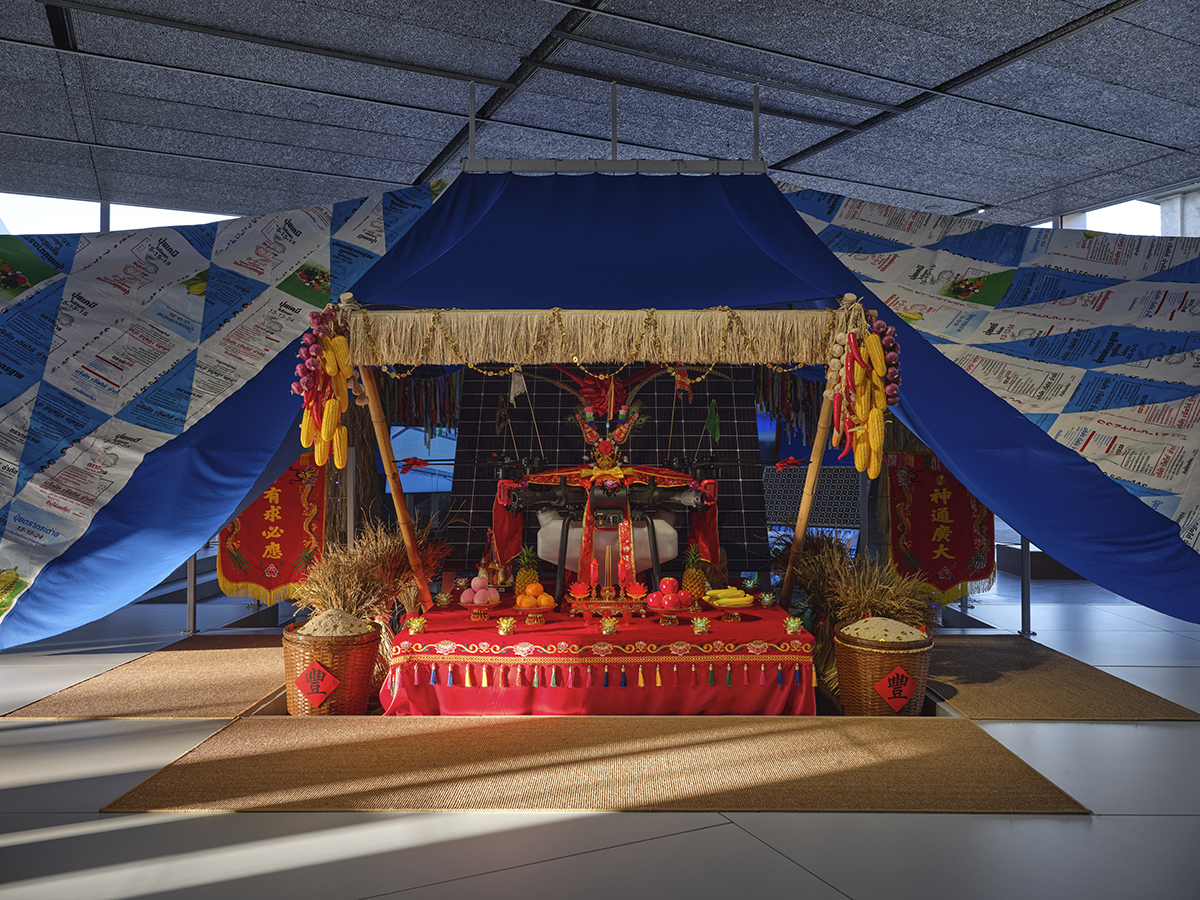
Image: Triennale di Milano, Milan
Triennale Milano has opened Andrea Branzi by Toyo Ito Continuous Present, a monographic exhibition devoted to the Italian design figure Andrea Branzi and curated by the Japanese architect and Pritzker Prize laureate Toyo Ito. The show runs at Triennale Milano in Milan from July 6 to October 4, 2026.
The exhibition is part of a broader summer program at Triennale that brings together temporary shows, the Museo del Design Italiano, and Casa Lana by Ettore Sottsass, underscoring the institution’s ongoing role as a major platform for design, art, and architecture in Italy. In the current season, Triennale is presenting several exhibitions that foreground influential figures in design history alongside newer interpretive projects.
According to the institution’s description, the Andrea Branzi exhibition is a monograph that retraces the work of one of the central figures of Italian design through the perspective of Toyo Ito. That curatorial pairing places Branzi’s legacy in dialogue with one of the most internationally recognized architects working today, giving the presentation added weight within contemporary design discourse.
Branzi’s importance to the field is reflected in the exhibition’s positioning at Triennale, which also maintains the Museo del Design Italiano, a permanent collection of around 400 objects designed between the 1920s and the 2000s. The museum context situates the Branzi show within a wider institutional effort to connect historical design narratives with present-day interpretation.
The show appears alongside other Triennale exhibitions that signal the breadth of the venue’s current program, including Edward Barber | Jay Osgerby Alphabet, Lella and Massimo Vignelli A Language of Clarity, Francesco Clemente In Between, Davide Stucchi Temporary Rooms, and Ettore Sottsass Design Metaphors. That concentration of exhibitions makes the Branzi project part of a larger sequence of high-profile summer presentations in Milan.
Andrea Branzi by Toyo Ito Continuous Present matters because it brings together a key Italian design name and an internationally acclaimed architect-curator in a monographic format that invites fresh attention to Branzi’s contribution to the field. At a time when museums and design institutions are increasingly asked to frame historical work for contemporary audiences, Triennale’s exhibition offers one more example of how major institutions can renew the reading of canonical design figures without separating them from the living conversation around architecture, objects, and cultural memory.