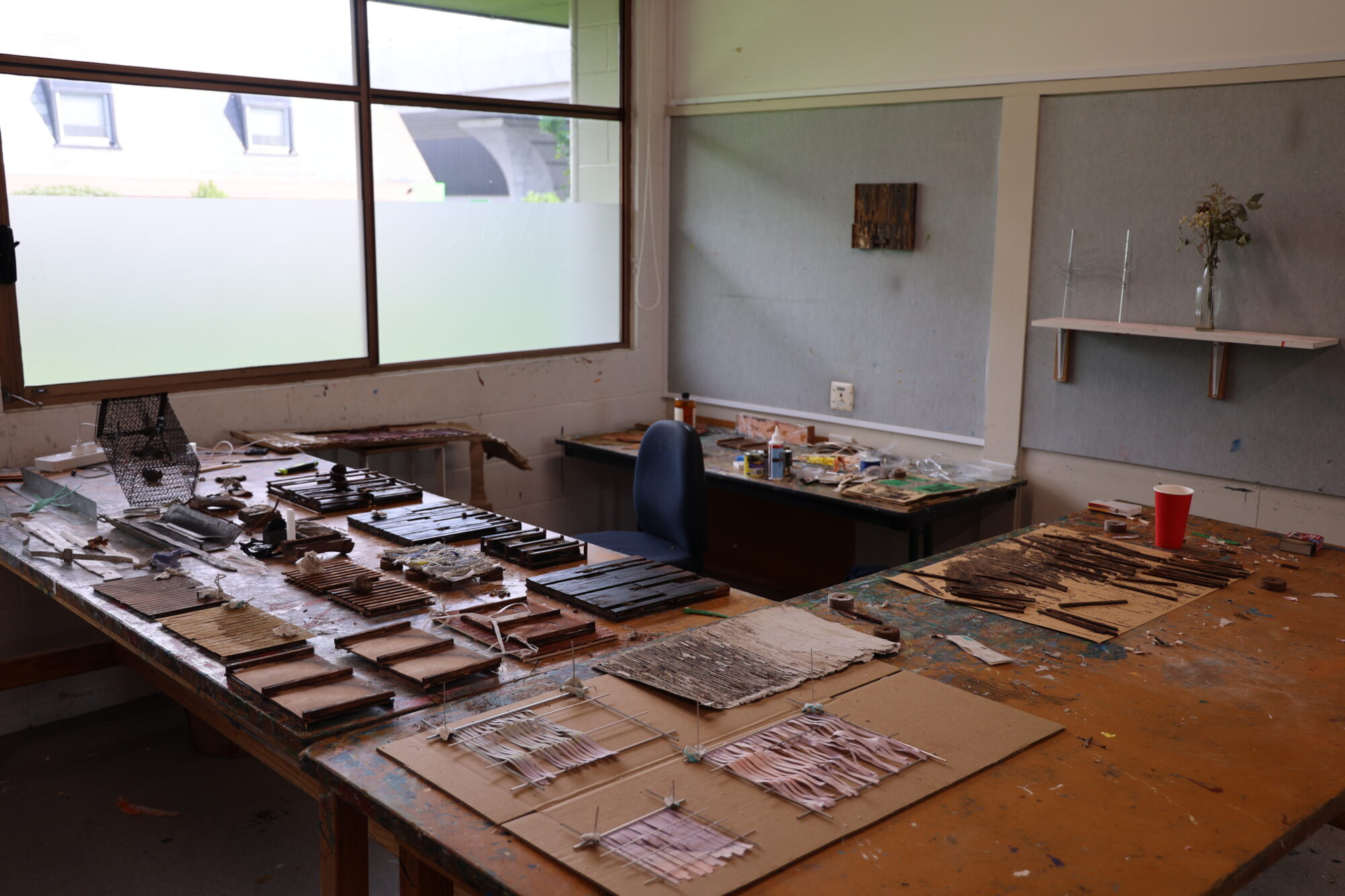
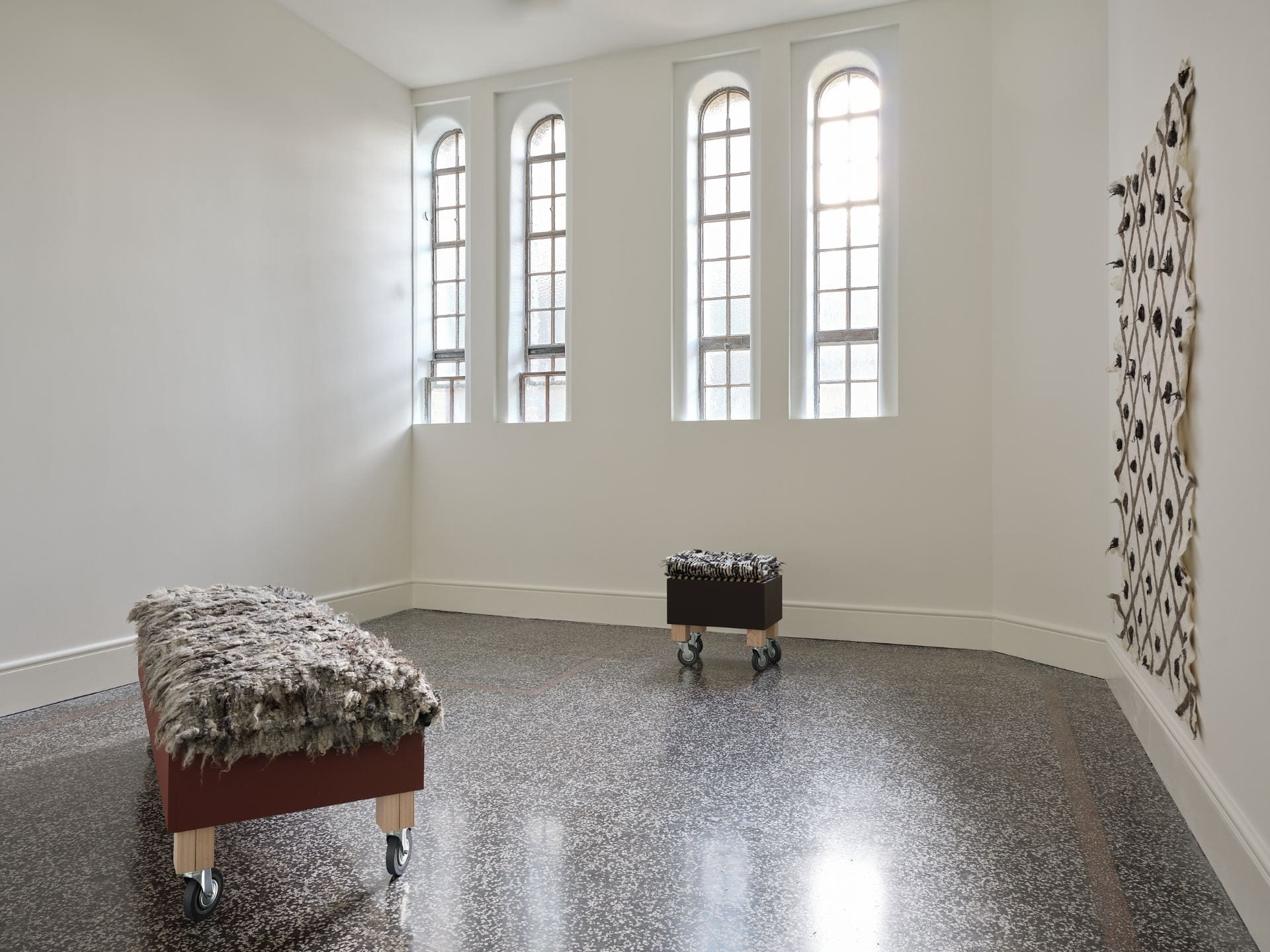
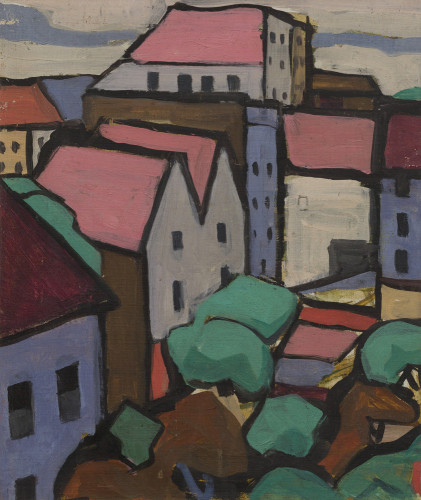
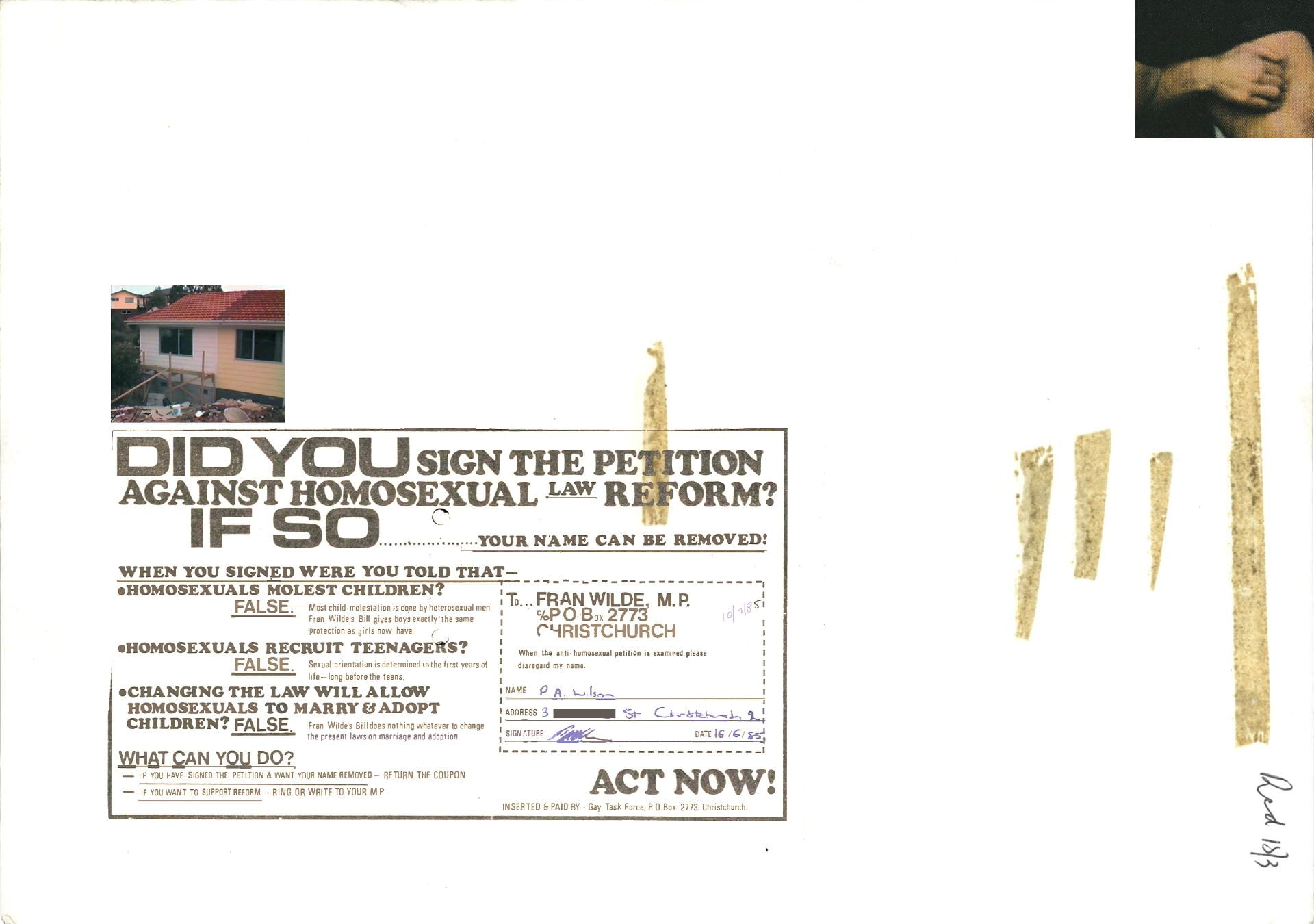
 Image: Artspace Aotearoa, London
Artspace Aotearoa has opened 'CRIT: Art learning since 1987', an exhibition that examines how artists, educators and communities have shaped learning inside, beside, outside, around and against institutions in Aotearoa and beyond since the late 1980s. The exhibition began on 18 July and runs through 26 September 2026 at Artspace Aotearoa in Auckland. Rather than presenting a single history of art education, it brings together artworks, archives and case studies to trace learning as something formed through conversation, critique, friendship, collective labour and cultural continuity.
The project takes 1987 as a key starting point because it marks both the founding of Artspace Aotearoa and a period when neoliberal reform was consolidating in New Zealand. The exhibition text links that moment to wider changes in tertiary education, which was increasingly framed through economic rather than social imperatives. Against that backdrop, 'CRIT: Art learning since 1987' looks at the uneven conditions under which arts education has operated, including access, prestige, professionalisation and the pressures of student debt.
Artspace frames the exhibition through Paulo Freire’s idea of education as a practice of freedom. In the exhibition text, learning is described not as knowledge delivered from above but as a collective process of becoming conscious of the conditions that shape life. The curatorial structure is organised around five prepositions — inside, outside, beside, around and against — a framework that is used to group case studies, artworks, archival materials, pedagogical models, experiments and events without fixing them into a linear narrative.
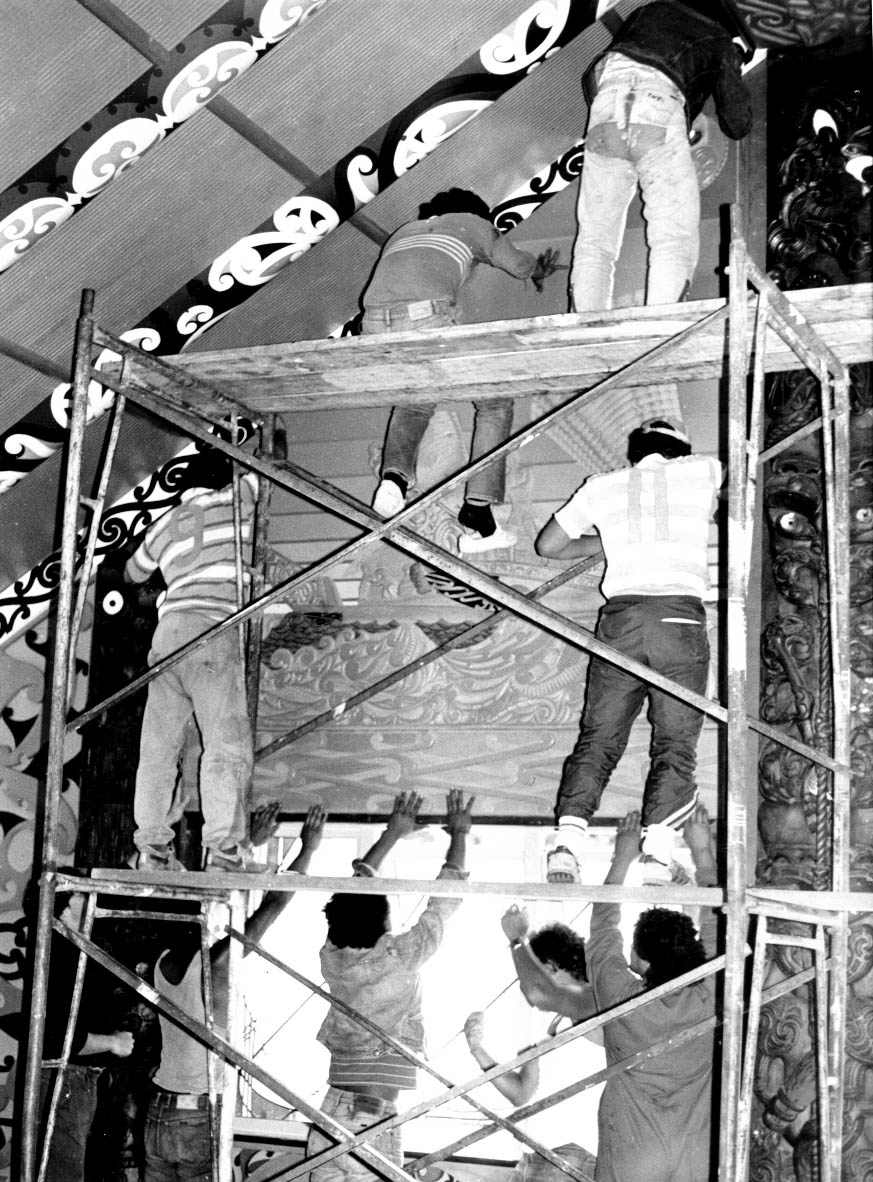
Among the exhibition’s highlighted case studies, Lana Lopesi’s section on outside treats visiting as a pedagogy of reciprocity, relation and return across communities and cultural contexts. Emil Scheffmann and Abigail Aroha Jensen’s contribution to beside examines critique as a subject in its own right, mapping its histories, rituals, languages and power structures. Te Wānanga o Aotearoa’s case study in around presents archive and artworks from its collection, positioning Māori-led education as a living intellectual tradition whose genealogies and methods both precede and exceed institutional authority.
The exhibition also includes work by Atarangi Anderson and Thies Vaihū, Margaret Aull, Elvis Booth-Claveria, Chris Bryant-Toi, Fiona Connor, Millie Dunstall, Jef Geys, Pākāriki Harrison, Keciano, Georgia Larkins-Tareha, Alex Martinis Roe, Andreas Müller, Liam Philp, Samoa House Library, Sam Thorne, Nathan Wilson and others. The materials and participants span different generations and practices, but the exhibition’s organising premise remains the same: learning is never fully contained by the institution and is continually negotiated through relations, resistance and collective experimentation.
The show is presented alongside 'AGENCY: A curatorial intensive in three questions — How do I learn? How do I act? How do I imagine?', a symposium organised with Te Pātaka Toi Adam Art Gallery. That programme runs from 14 to 16 August 2026 at Ngā Mokopuna on the Te Herenga Waka—Victoria University of Wellington campus, with lectures and workshops led by Kimberley Moulton, Clémentine Deliss and Megan Tamati-Quennell. The symposium includes an opening evening with mihi whakatau, shared kai and public lectures, and the talks are also offered in separate event listings later in August, including a lecture by Kimberley Moulton at Elam Lecture Theatre in Auckland on 19 August.
'CRIT: Art learning since 1987' is on view at Artspace Aotearoa, 292 Karangahape Road, Auckland, with the gallery open Tuesday to Friday from 10am to 6pm and Saturday from 11am to 4pm. The exhibition is free and runs until 26 September 2026.