 Image: Ludwig Museum im Deutschherrenhaus, Koblenz
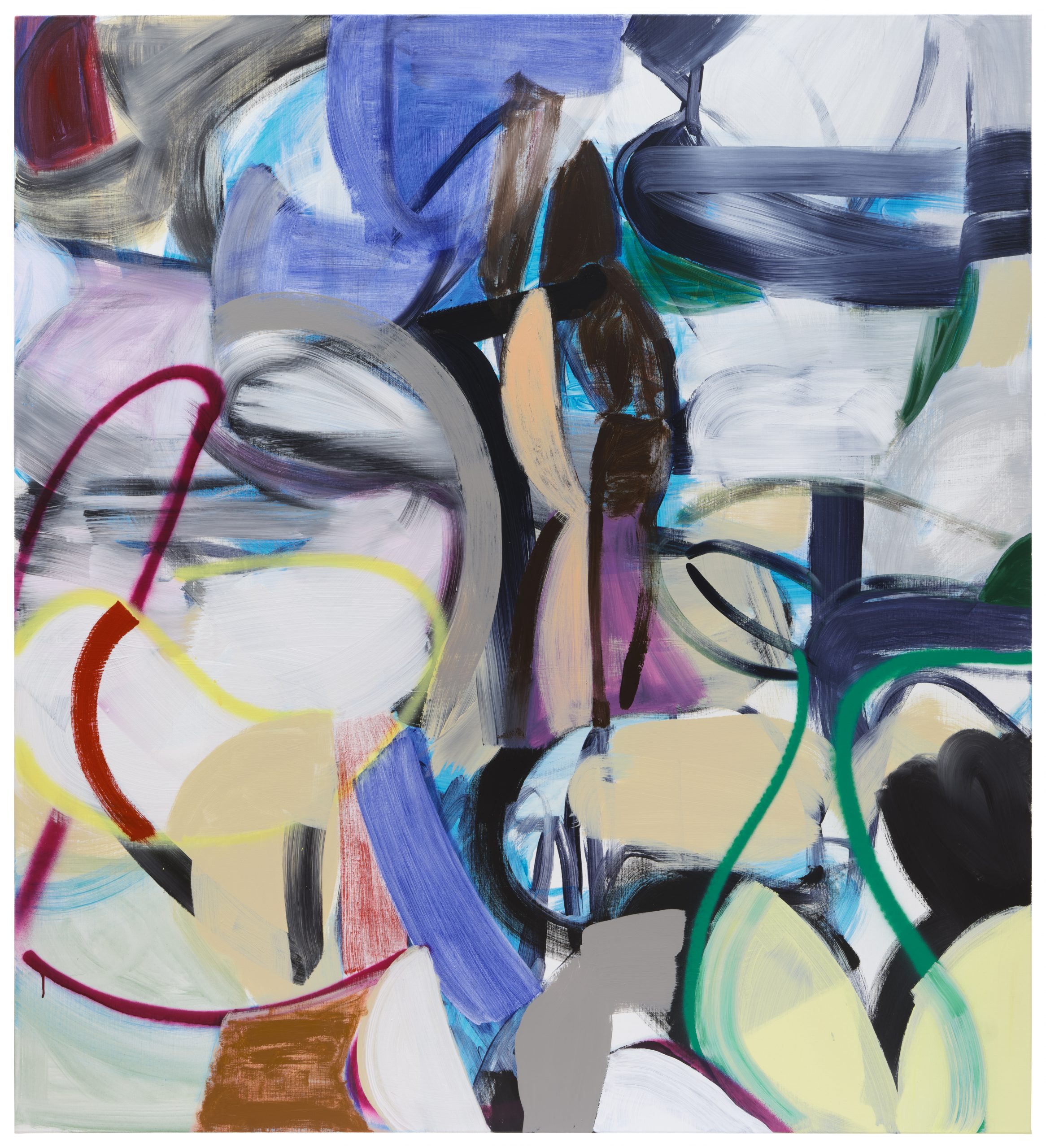
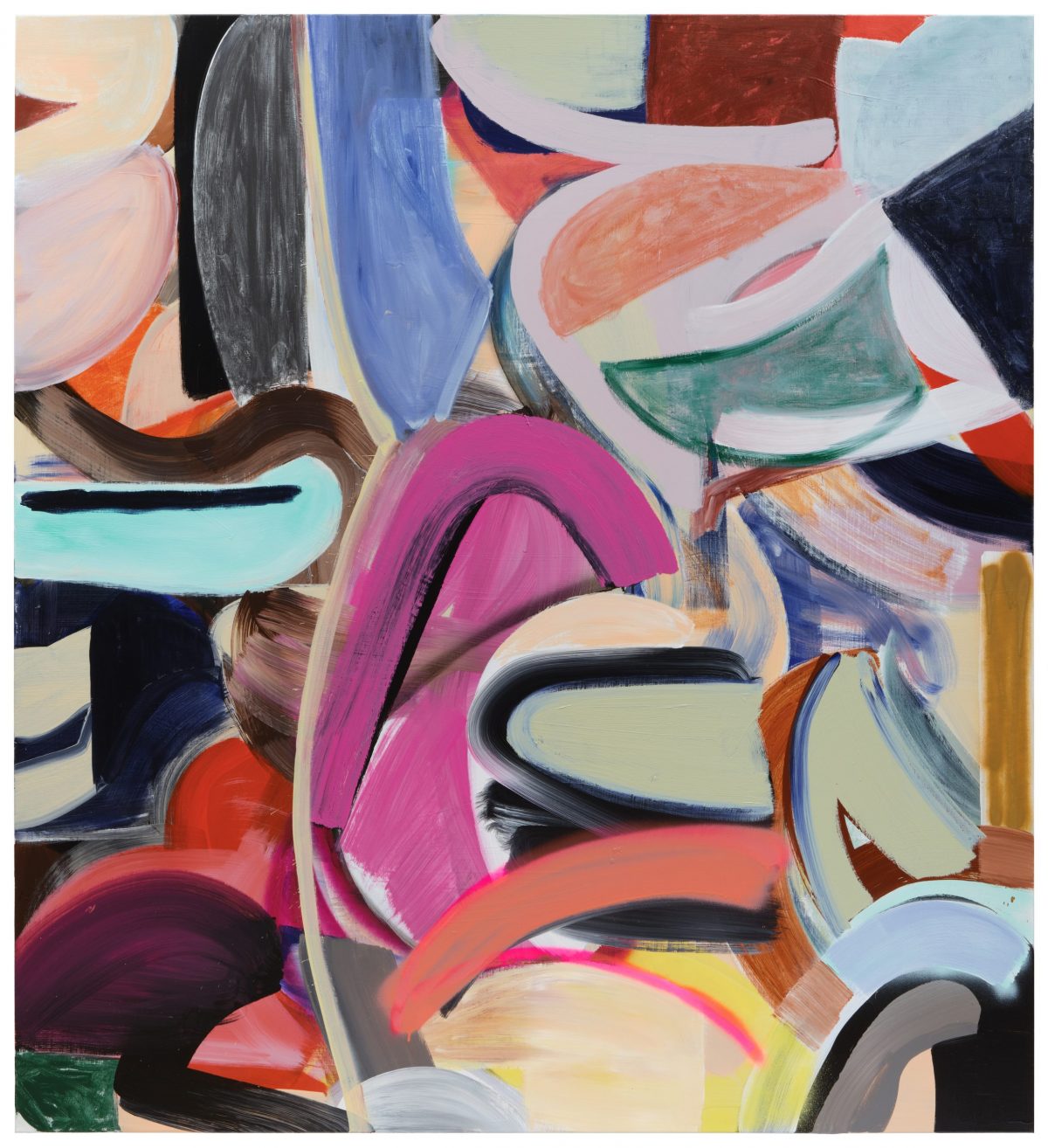
Liliane Tomasko’s forthcoming exhibition 'Bridge' will open at the Ludwig Museum Koblenz on 30 August 2026, with the artist present at the vernissage. The museum says the presentation will bring together Tomasko’s newest paintings and a separate body of works on paper, tracing a line through different periods of her practice and making visible her movement from figuration toward abstraction. A press conference is scheduled for 28 August 2026 at 11:00 a.m. at the museum in Koblenz.
The Ludwig Museum describes Tomasko’s work as centred on metamorphosis, understood as the continual transformation of identity, memory and perception. In the museum’s account, her gestural abstract paintings move between dream and waking, unconscious and reality. Even when the works appear non-representational, they often begin from everyday motifs that are transformed into psychological or imagined landscapes. That framework shapes the curatorial premise of 'Bridge', which is set up as an examination of how image, memory and interior experience can be translated across media and over time.
Born in Zurich in 1967, Tomasko studied at the Royal Academy of Arts in London, where she completed a master’s degree in 1998. The museum notes that she has since developed a multilayered painting practice concerned with the cartography of the unconscious, reflecting both inner states and spatial experience. Her work is also presented as being in dialogue with art history and with artists including Giotto, Piet Mondrian, Kasimir Malewitsch, Willem de Kooning, Pablo Picasso and Nano Reid.
The exhibition will begin with early, still figurative works such as 'Bed I' (2000), 'Bed and Dress' (2002) and the drawing 'Morning Creases' (2002). According to the museum, these images of empty beds, rumpled blankets and pillows point to sleep, dream and memory. Inspired by private Polaroids and recalling, in colour, Pierre Bonnard or Giorgio Morandi, the interiors already function as atmospherically condensed pictorial spaces in which human presence is felt only indirectly through traces.
From there, the selection moves to works such as 'Soft Blue Stack' (2008), 'Under' (2010) and the drawing series 'Floating Stack' (2010), where objects are increasingly dissolved into areas of colour and texture. The museum also identifies echoes of Mark Rothko’s colour-field painting alongside an increasing attention to materiality and layering. In 'Linens' (2014), line becomes a central formal device, and folds from earlier fabric representations develop into labyrinthine structures that organise the picture space. This development continues in 'Sensible Reds' and 'Untitled' from 2015, leading toward a largely non-objective painting practice in which the memory of fabric and bodily presence remains.
More recent works, including 'TBC' (2016), 'Untitled July 21, 2016' and the more reduced 'Dirty Linen' (2019), extend that visual language through strong colour contrasts, curved lines, depth and, for the first time, spray paint. The museum says that in these works the imagery moves further away from domestic motifs and toward broader themes such as hope, fear and imagination. 'Hold on to Yourself' (2020–2022), made during the Covid-19 pandemic, is presented as a sequence of intuitive oil pastel drawings shaped by isolation, while the latest group, 'Shapeshifter' (since 2024), continues the artist’s ongoing exploration of inner and emotional landscapes. The exhibition runs from 30 August to 1 November 2026, and a catalogue in German and English will be published for the opening with texts by Jens Asthoff, Kelly Grovier and Beate Reifenscheid.