 Image: Ben Uri Gallery, London
Ben Uri Gallery in London will open 'The Abbey Art Centre as Postwar Refuge, 1946–56' on 7 October 2026, presenting the history of the Abbey Art Centre at New Barnet as a cosmopolitan art colony founded in 1946 by William Ohly. The exhibition is timed to coincide with the publication of 'The Abbey Art Centre in postwar London 1946–1956', edited by Jane Eckett, Ian McLean and Sheridan Palmer and due out this autumn from Routledge. The show will run until 18 December 2026 at Ben Uri Gallery, London NW8 0RH, with public opening hours listed as Wednesdays to Fridays, 10am to 5.30pm.
According to Ben Uri, the exhibition focuses on the Abbey as a postwar haven for stateless Jewish refugees, as well as artists from Australia, Britain and continental Europe. The gallery describes the site as a “crucible of creativity” on London’s northern edge, and as a setting where artists navigated the political and cultural shifts of the postwar and postcolonial period. The project is co-curated by Simon Pierse, Jane Eckett, Sheridan Palmer and Sarah MacDougall.
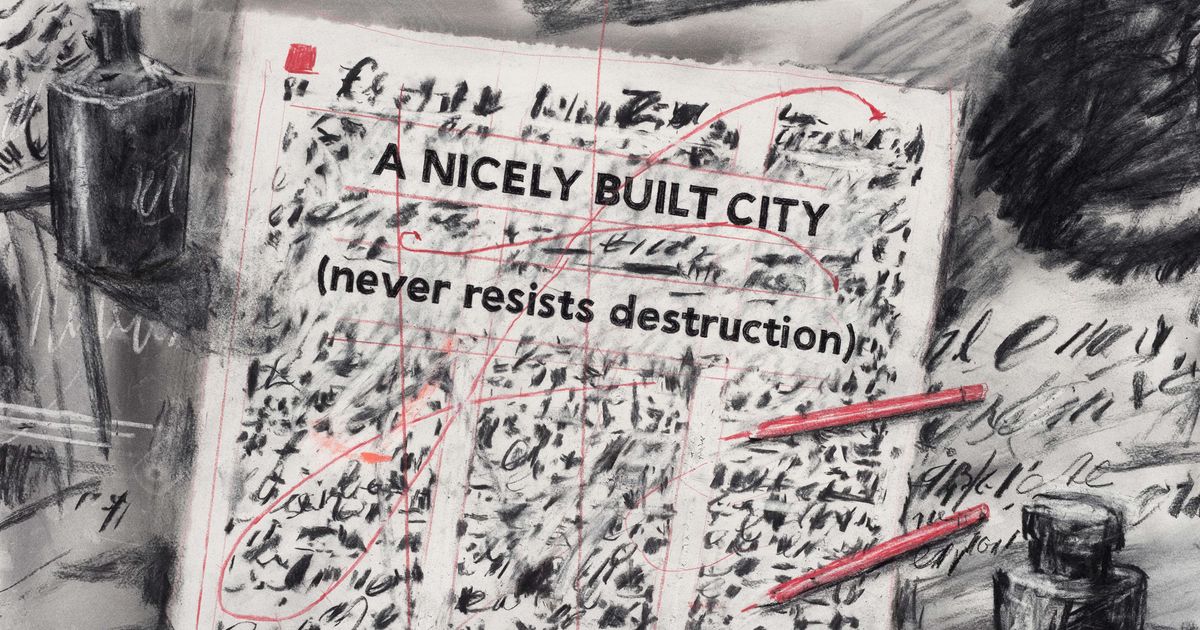
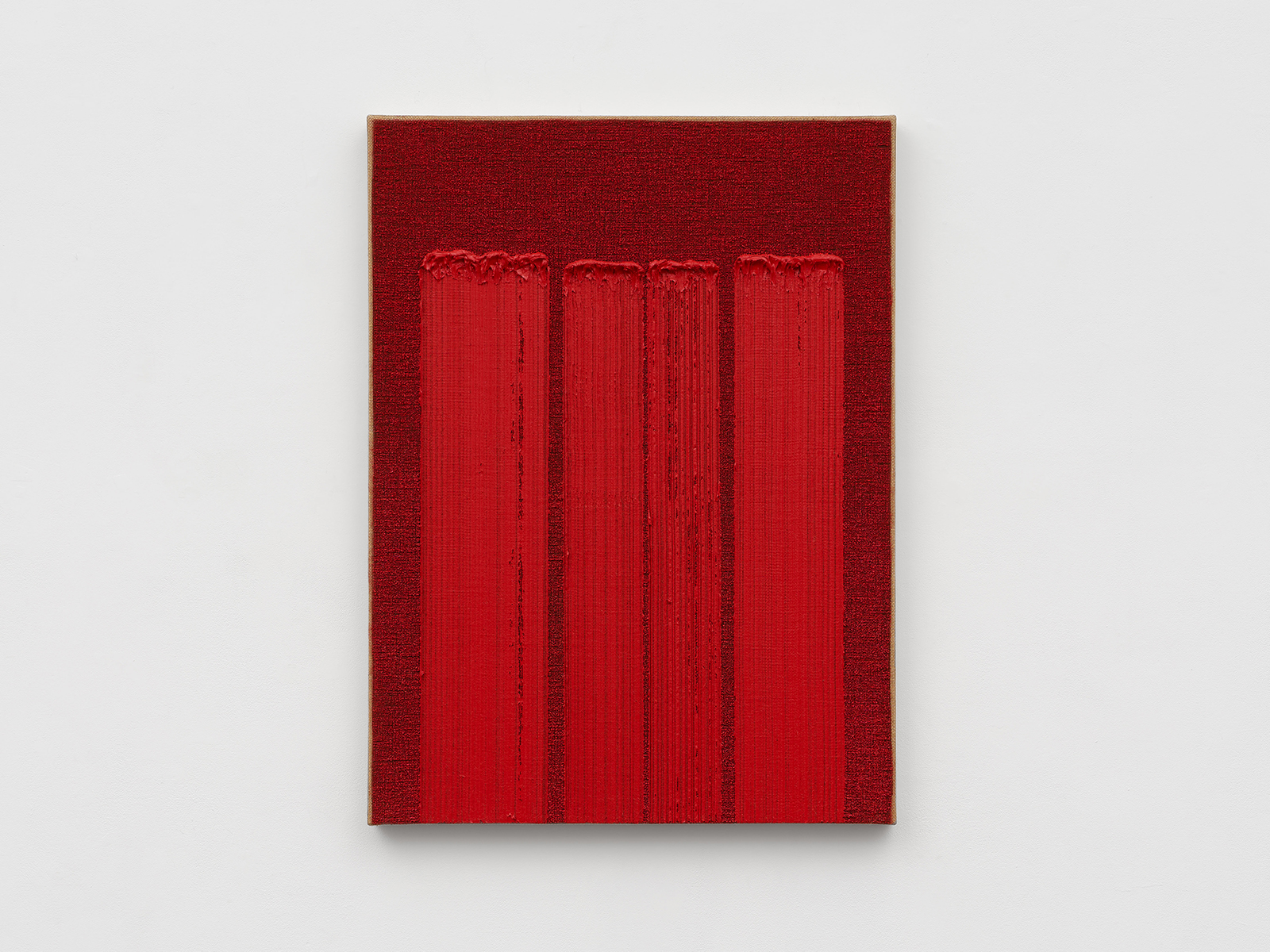
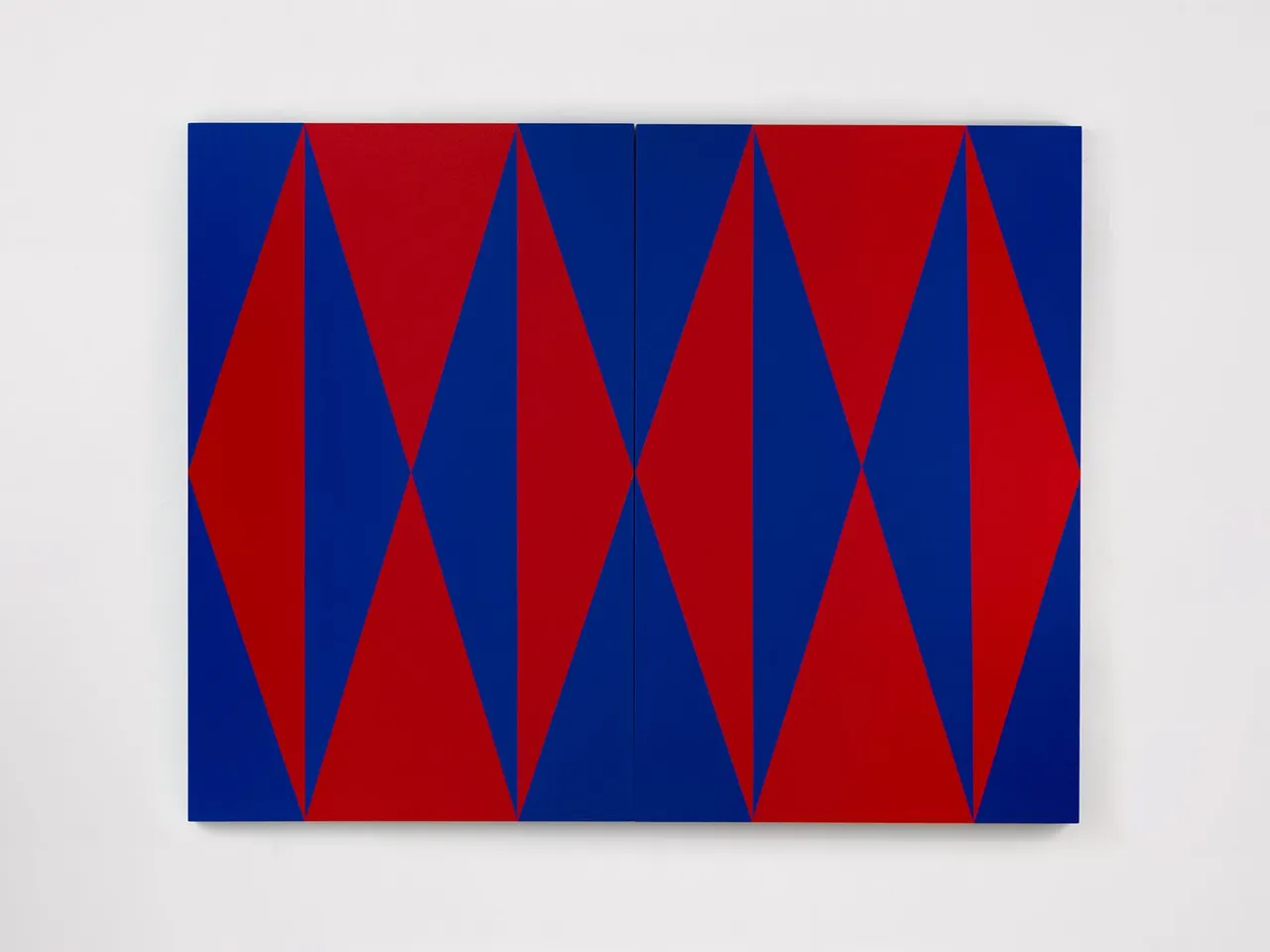
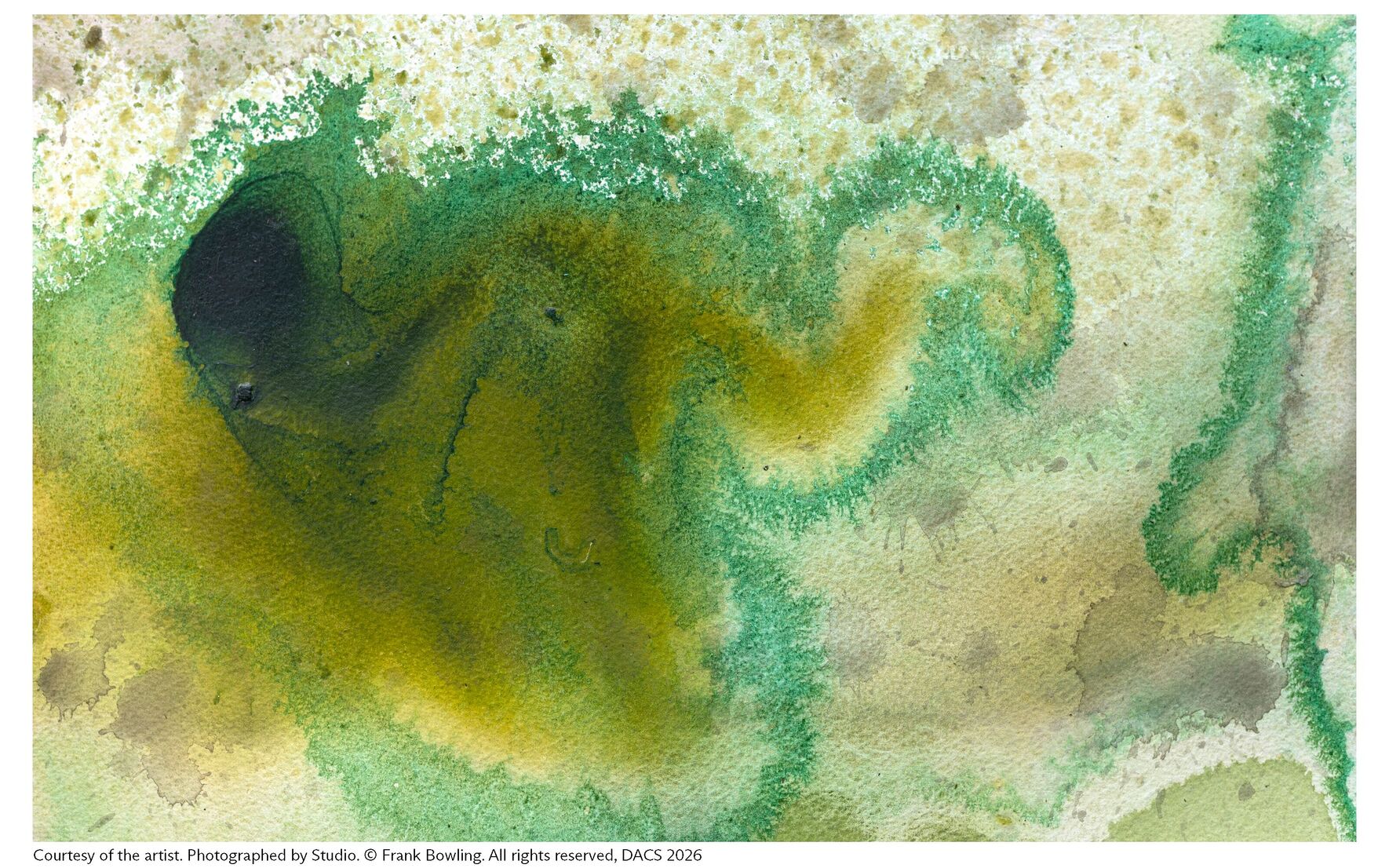
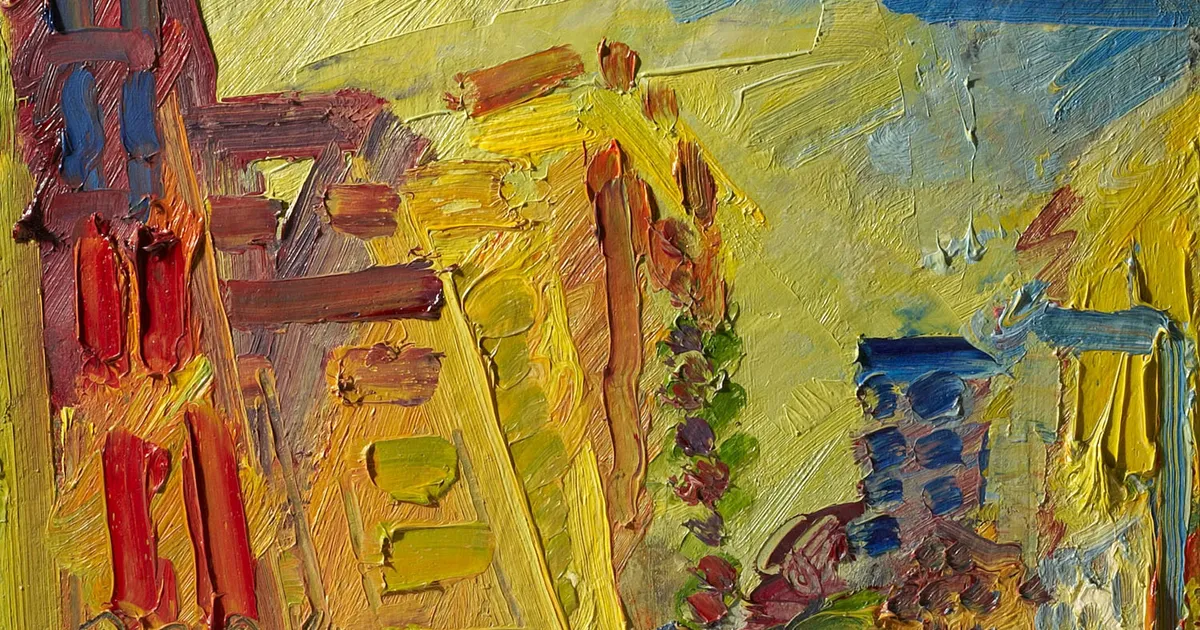
The exhibition will bring together paintings, sculpture, drawings and archival materials, alongside related photographs and books. The press release says the display will include works by Abbey residents and associated artists, reflecting the colony’s cross-cultural exchanges and the effects of migration. Named artists include Scottish painter Alan Davie, English sculptor Peter King, English painter Lilian Colbourn, German émigré painters and printmakers Marcel Frishman, Margret Kroch-Frishman and William Ohly, sculptors Inge King and Gudrun Krüger, and pioneering animator Lotte Reiniger.
Other featured figures include Austrians Helen Grünwald and Angela Varga, Ukrainian painter Stacha Halpern, Australian constructivist Robert Klippel, and painters James Cant and Mary Webb. The exhibition also includes a small number of artists associated with the Berkeley Galleries, among them Nigerian modernist Ben Enwonwu, German sculptor Fred Kormis and Prussian-born graphic artist Katerina Wilczynski. Ben Uri says the show will also touch on the impact of African and Indigenous Australian art on emerging artists and socially conscious painter-printmakers working in London’s East End.
Ben Uri says the exhibition reflects the institution’s core research focus on the refugee and immigrant contribution to British visual culture since 1900. The gallery was founded in London’s East End in 1915 to support Jewish artists working outside the cultural mainstream, and its remit widened in 2002 to include first- and second-generation immigrant artists of all national, ethnic and religious backgrounds. That research mission now informs the Ben Uri Research Unit, which it describes as a resource on Jewish, refugee and immigrant contributions to British visual culture.
The exhibition’s checklist in the press release also names additional contributors and associated material, including a wood carver from the Belgian Congo, a wood carver from the Idoma people in Nigeria, and Kofi Antubam, alongside the artists represented in the Abbey and Berkeley Galleries sections. Ben Uri says a book launch and a related series of events will accompany the exhibition, which remains open from 7 October to 18 December 2026.