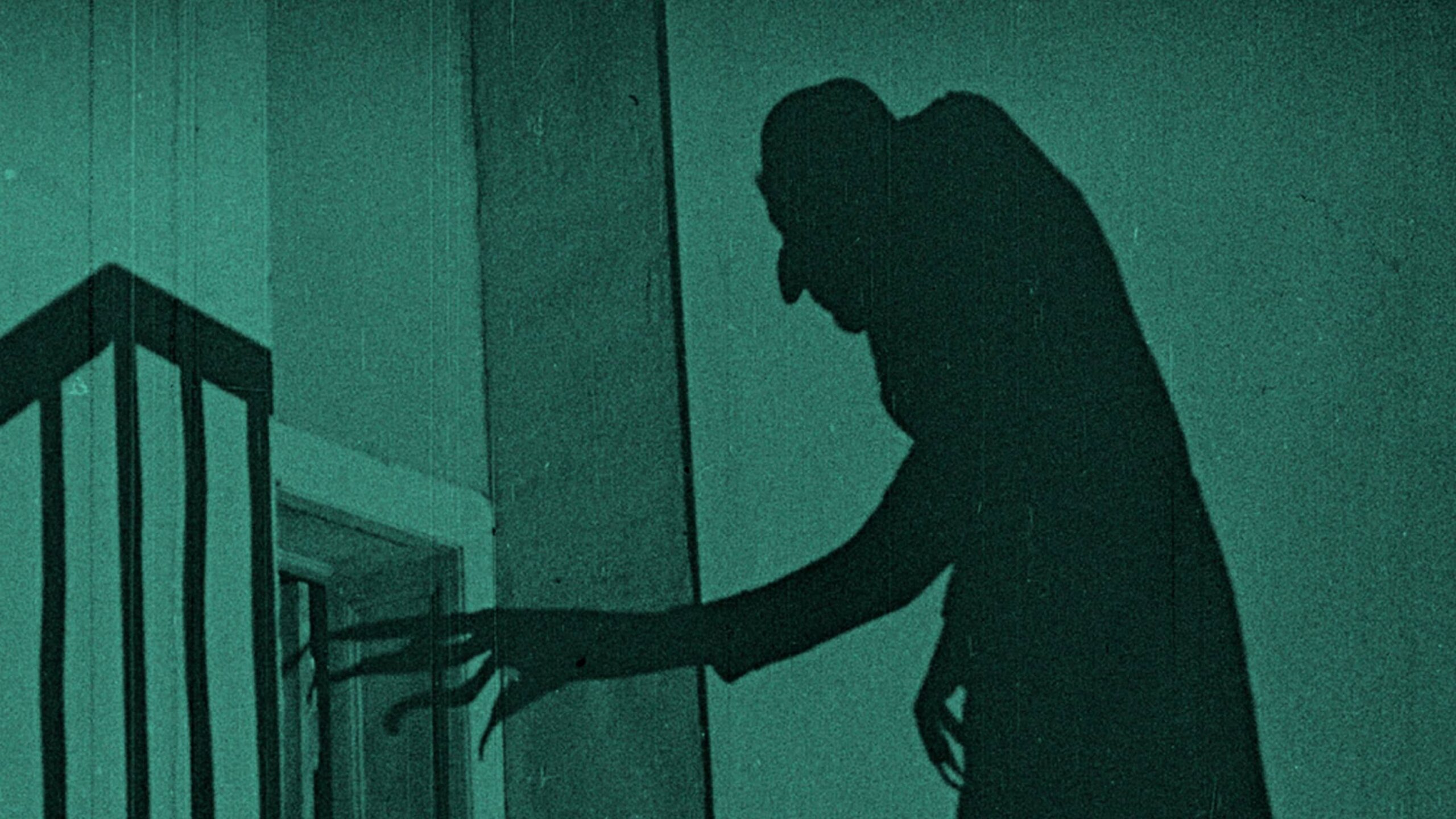
 Image: Still from Nosferatu (1922), directed by F. W. Murnau
The Portland Art Museum in Oregon will host ‘German Expressionism in Art and Film’ from 6 February to 11 July 2027. Organised by the Institut für Kulturaustausch, the exhibition brings together roughly 70 prints and paintings with about 50 film clips and stills, and will occupy four galleries, numbers 101, 110, 212 and 213, in the museum’s building on SW Park Avenue.
Its subject is German visual culture in the turbulent decades between the end of the First World War and the consolidation of Nazi power. Arranged in thematic sections spanning 1918 to 1939, the exhibition follows the energy, unease and political charge of the period. The Portland Art Museum describes it as the first exhibition to show German Expressionist painting and printmaking together with Expressionist cinema, and it sets out to draw attention to the visual and stylistic devices the two forms share.
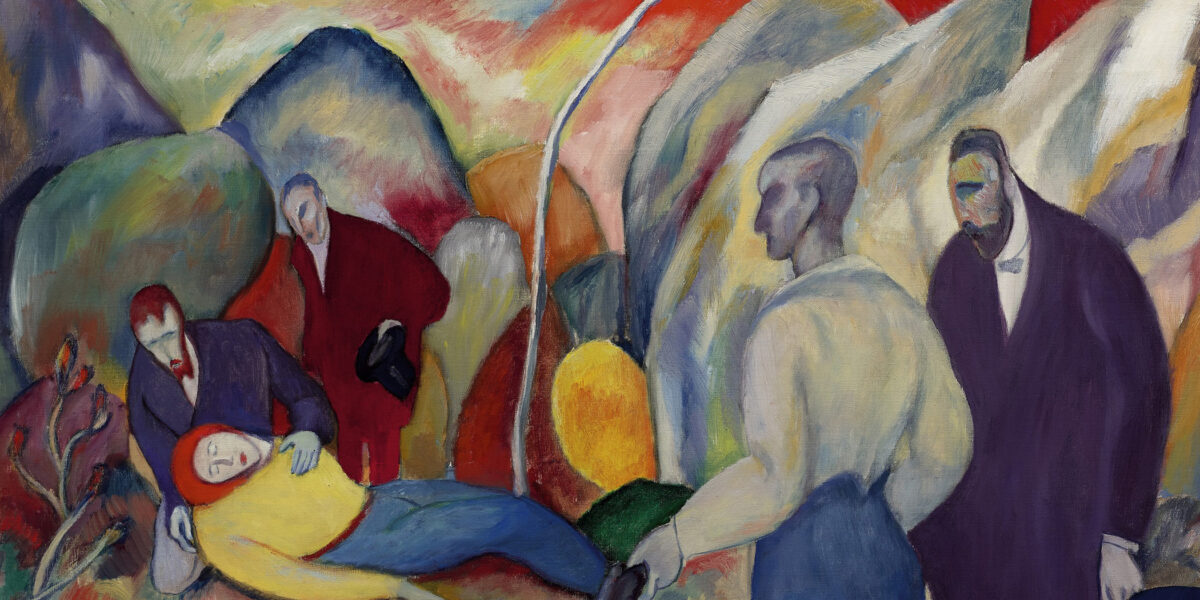
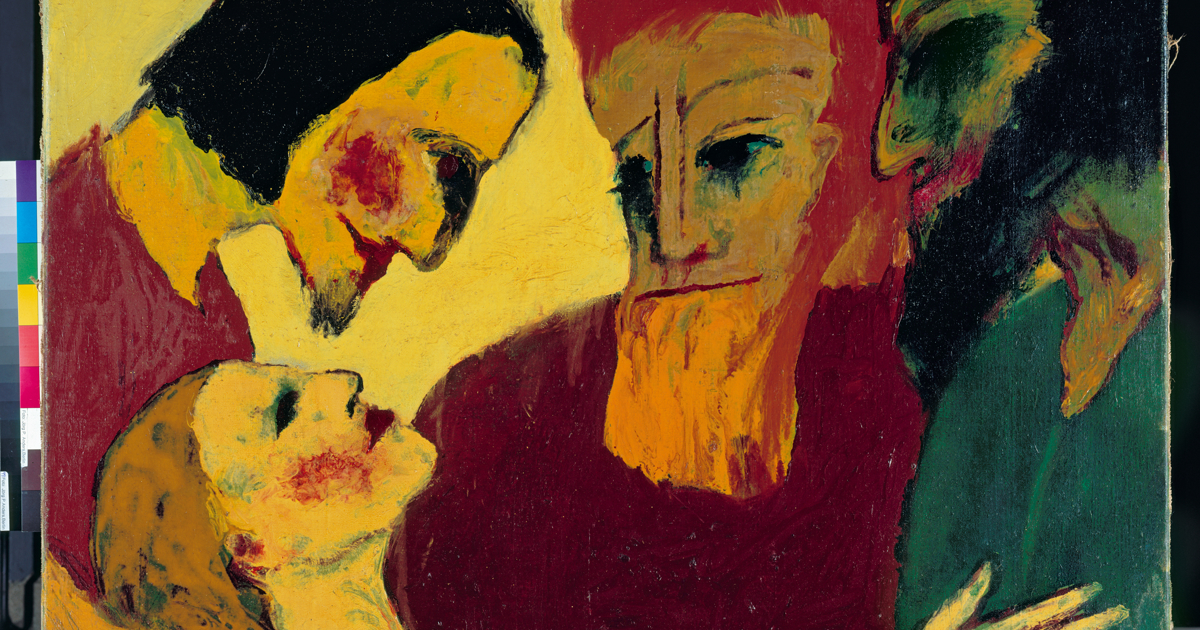
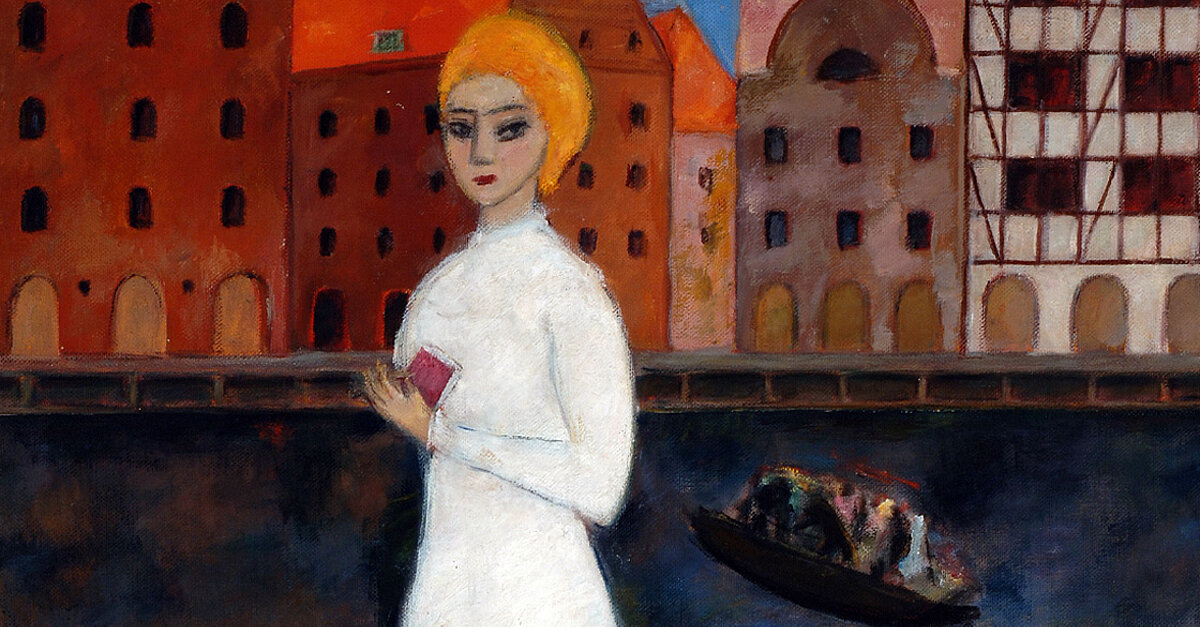
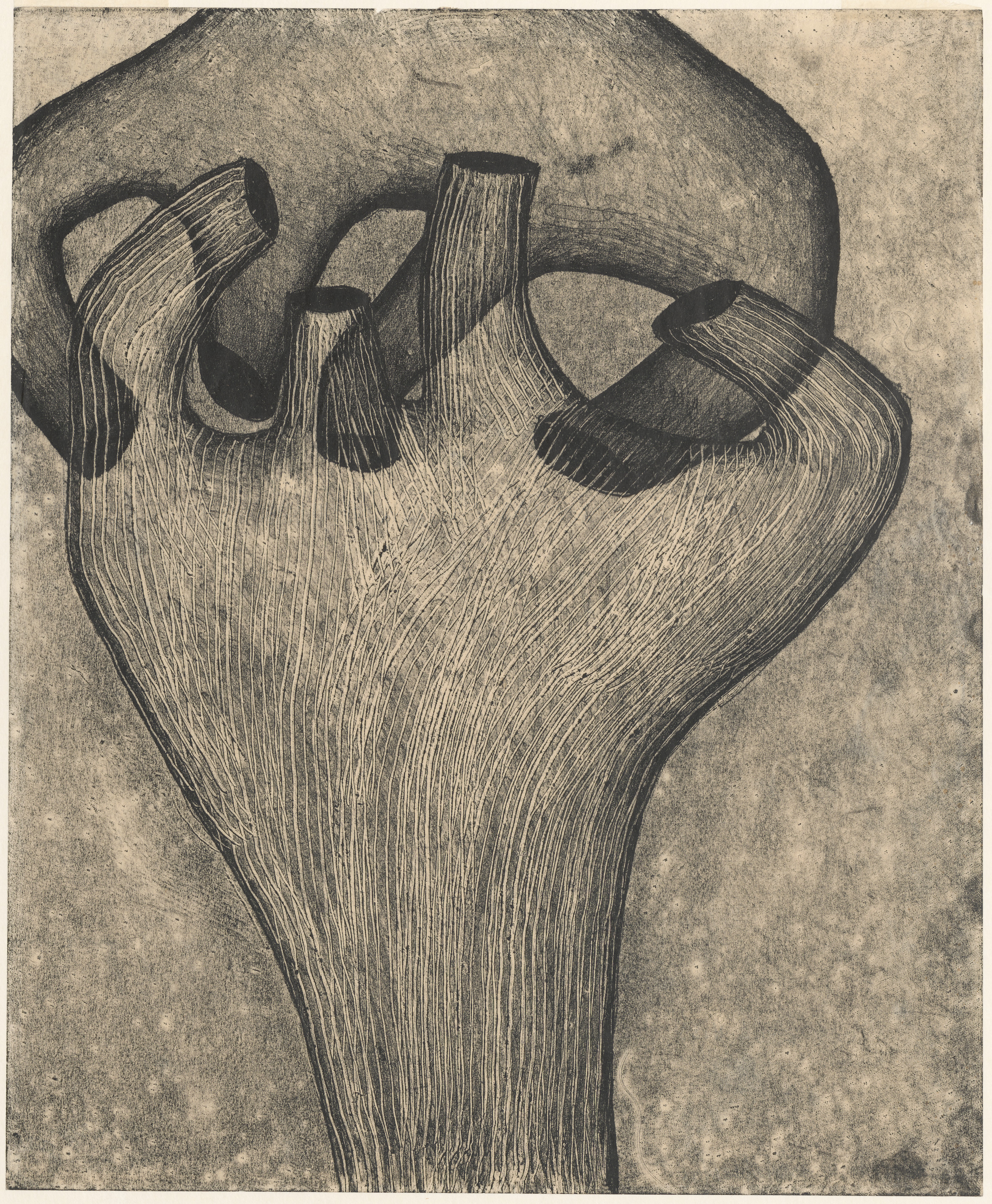
On the art side, satirical prints by Otto Dix and Käthe Kollwitz appear alongside paintings by Ernst Ludwig Kirchner, Emil Nolde and Max Pechstein. The film material centres on two landmarks of Weimar-era cinema, F. W. Murnau’s ‘Nosferatu’ (1922) and Fritz Lang’s ‘Metropolis’ (1927).
In Portland the presentation is coordinated by Lloyd DeWitt, the museum’s Richard and Janet Geary Curator of European and American Art Pre-1930. Entry is included with general admission.
Major support comes from the Blue Balloon Fund, Mary and Don Blair, Mary and Tim Boyle, the William G. Gilmore Foundation, the Mary and Pete Mark Family Foundation, The Meier Family Fund, The James F. and Marion L. Miller Foundation and an anonymous donor.