 Image: Guildhall Art Gallery, London
The City of London Corporation says a government direction for further examination of City Plan 2040 will delay adoption of the Square Mile’s next planning framework, even as it argues the plan is complete and ready to proceed. The dispute centres on the assessment of tall buildings and their impact on the Tower of London World Heritage Site, a sensitive issue in one of the world’s most scrutinised urban skylines.
According to the Corporation, the Minister of State for Housing and Planning has asked for additional hearing sessions before planning inspectors issue their final report. The Corporation says that is unnecessary because the point was examined in detail during formal hearings more than a year ago. It also says the government letter does not call into question the overall soundness of the plan, only a single technical aspect.
The response matters well beyond local procedure because City Plan 2040 is intended to shape development in the City of London for years to come. The Corporation says the plan is vital to economic growth, investment and jobs in “the most highly productive part of the UK,” and that prolonged uncertainty could affect the decisions of developers and investors. It also says the plan is important to climate action because it would move the Square Mile to a “retrofit-first” approach to development.
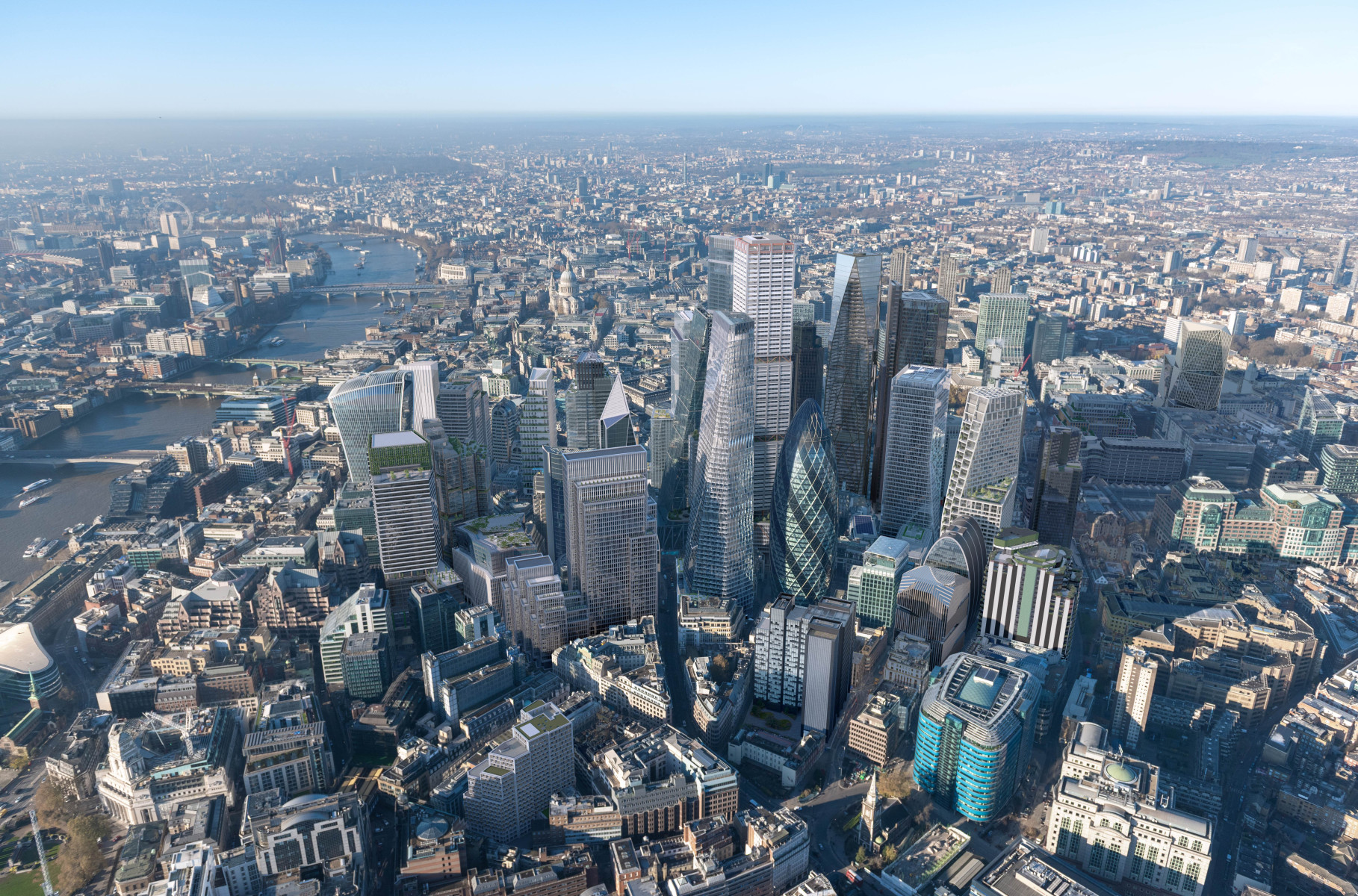
The planning body is framing the delay as a direct threat to momentum in the City’s development pipeline. It says planning activity reached a record high in 2025, with the highest number of planning applications in a decade and more than 500,000 square metres of office floorspace granted permission. The Corporation says around half of that space is already under construction, with major schemes including 1 Undershaft, 60 Gracechurch Street and 85 Gracechurch Street progressing.
At stake is not only the timing of adoption but the policy backdrop for a district that is still seeing significant office-led development. The Corporation says City Plan 2040 will support at least 1.2 million square metres of net additional office floorspace over the plan period and help accommodate around 192,000 additional jobs by 2050. It also points to historically low vacancy rates in Grade A office space as evidence of continued demand.
The Tower of London reference underscores the wider tension that often shapes planning in central London: how to support growth while protecting a globally significant historic environment. The Corporation says it remains committed to protecting and enhancing the City’s historic fabric and wants the plan adopted as soon as possible. Its planning chair, Tom Sleigh, called the government intervention “unnecessary and anti-growth,” saying the issue had already been examined in full and that further hearings would cost “missed economic growth.”
For the wider art and heritage world, the dispute is a reminder that planning policy in the City of London can have direct consequences for the setting of major historic sites. Decisions over building height, office growth and conservation are not abstract technicalities: they shape the visual and cultural context in which heritage is experienced, and can influence the long-term relationship between preservation and development in central London.