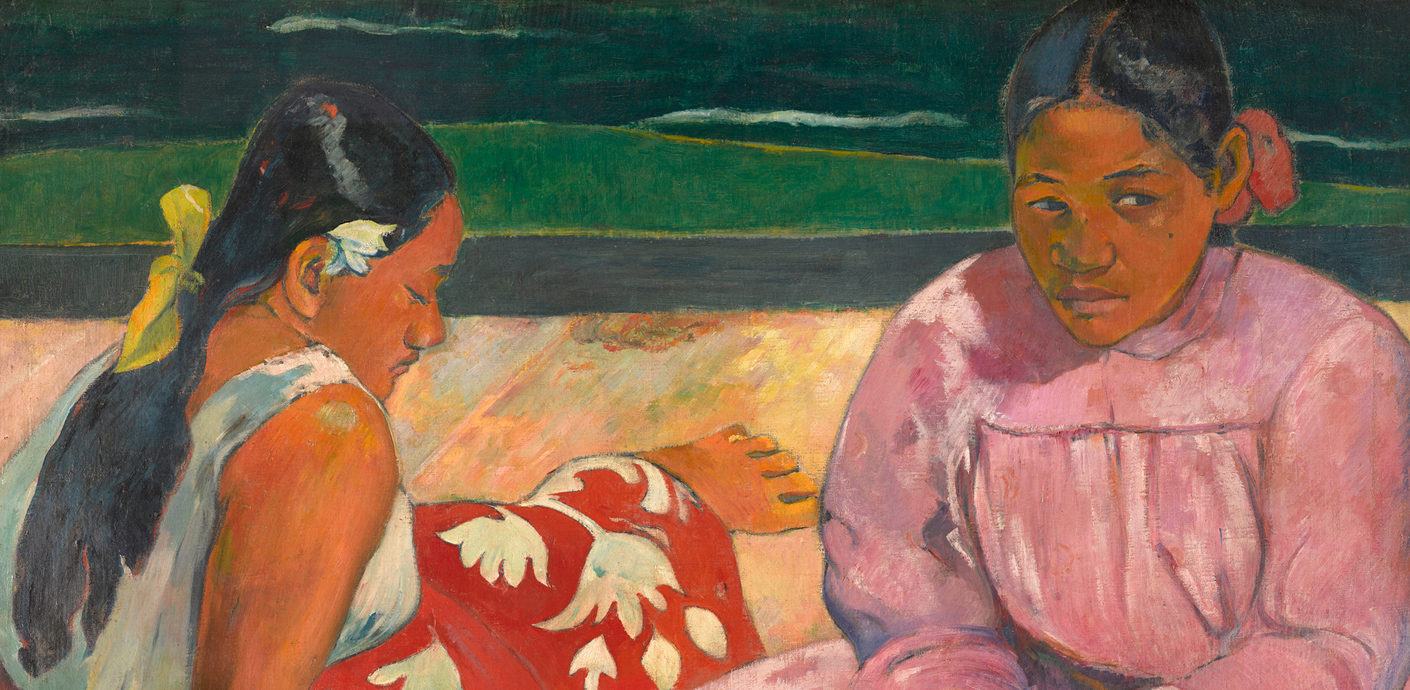
 Image: Paul Gauguin, Tahitian Women (Femmes de Tahiti), 1891. Musée d'Orsay, Paris
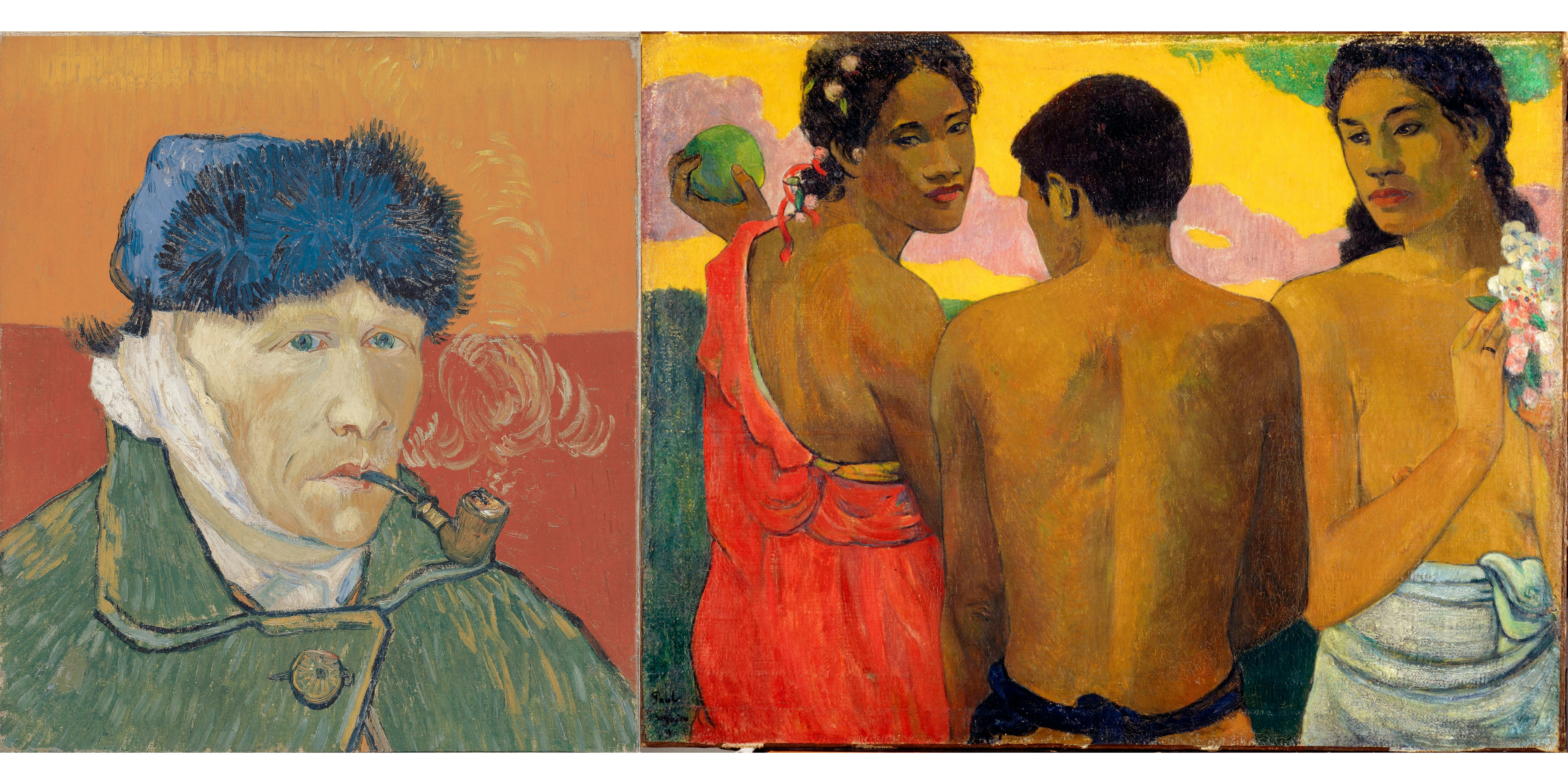
The exhibition is described as Hungary’s first large-scale exhibition on Paul Gauguin, with that description identifying Hungary as the setting in which the project is presented, “large-scale” as its stated scope, and Gauguin as the exhibition’s named subject.
Nearly 40 public and private collections around the world are involved through loans. The account says that these collections have loaned their masterpieces to make the exhibition possible, specifying both the breadth of the lending base and the role assigned to those loans in bringing the project into being.
The exhibition presents Gauguin’s art not only chronologically, following the evolution of his style, but also through his intellectual and conceptual development. Its stated structure therefore places the sequence of stylistic change alongside the ideas and concepts through which the artist’s work is being organized.