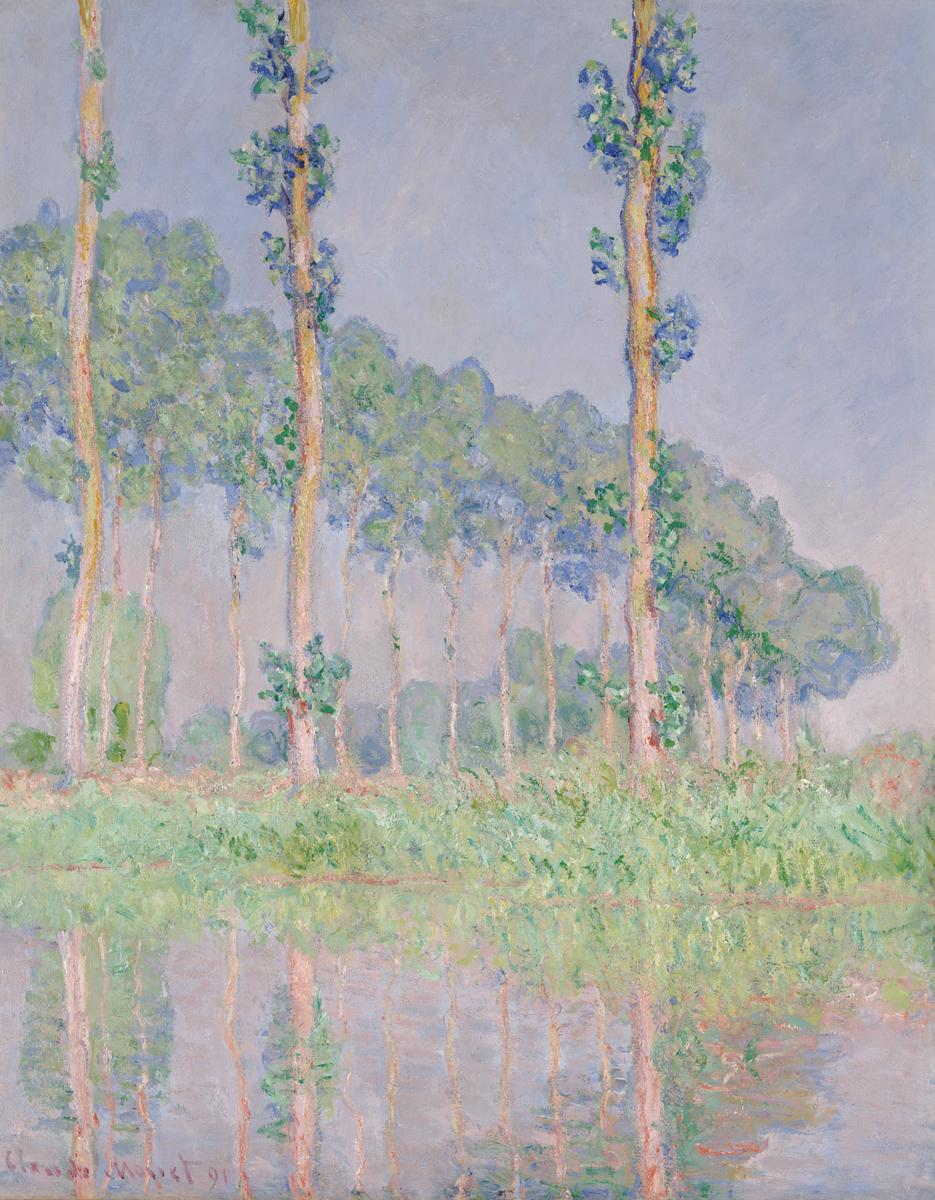
 Image: Art Gallery of Ontario, Toronto
The Art Gallery of Ontario is showing 'The Impressionist Revolution: Monet to Matisse' on Level 4 this summer, bringing 50 Impressionist works to Toronto from the Dallas Museum of Art. The exhibition is on view now at the AGO and marks its Canadian debut, presenting a wide survey of a movement that once unsettled the art establishment and later helped define modern art.
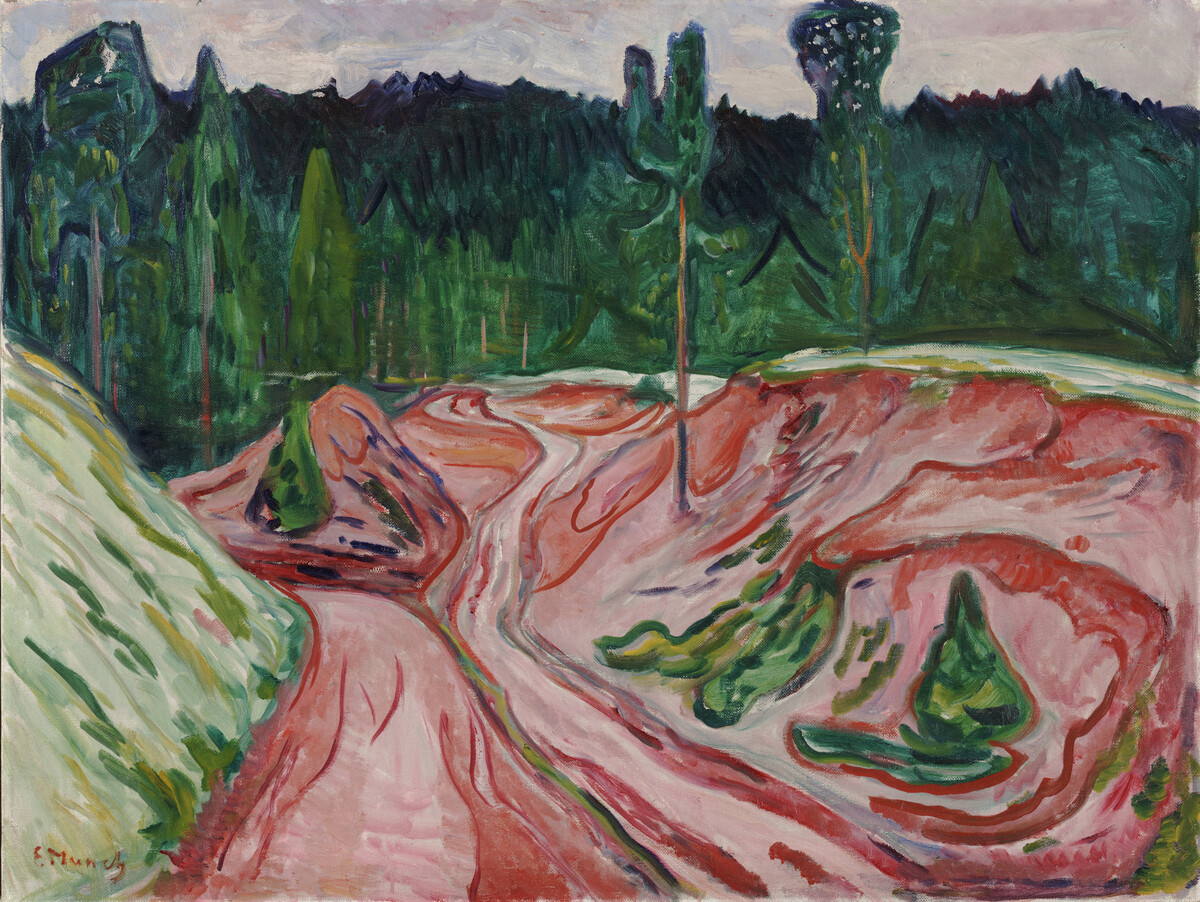
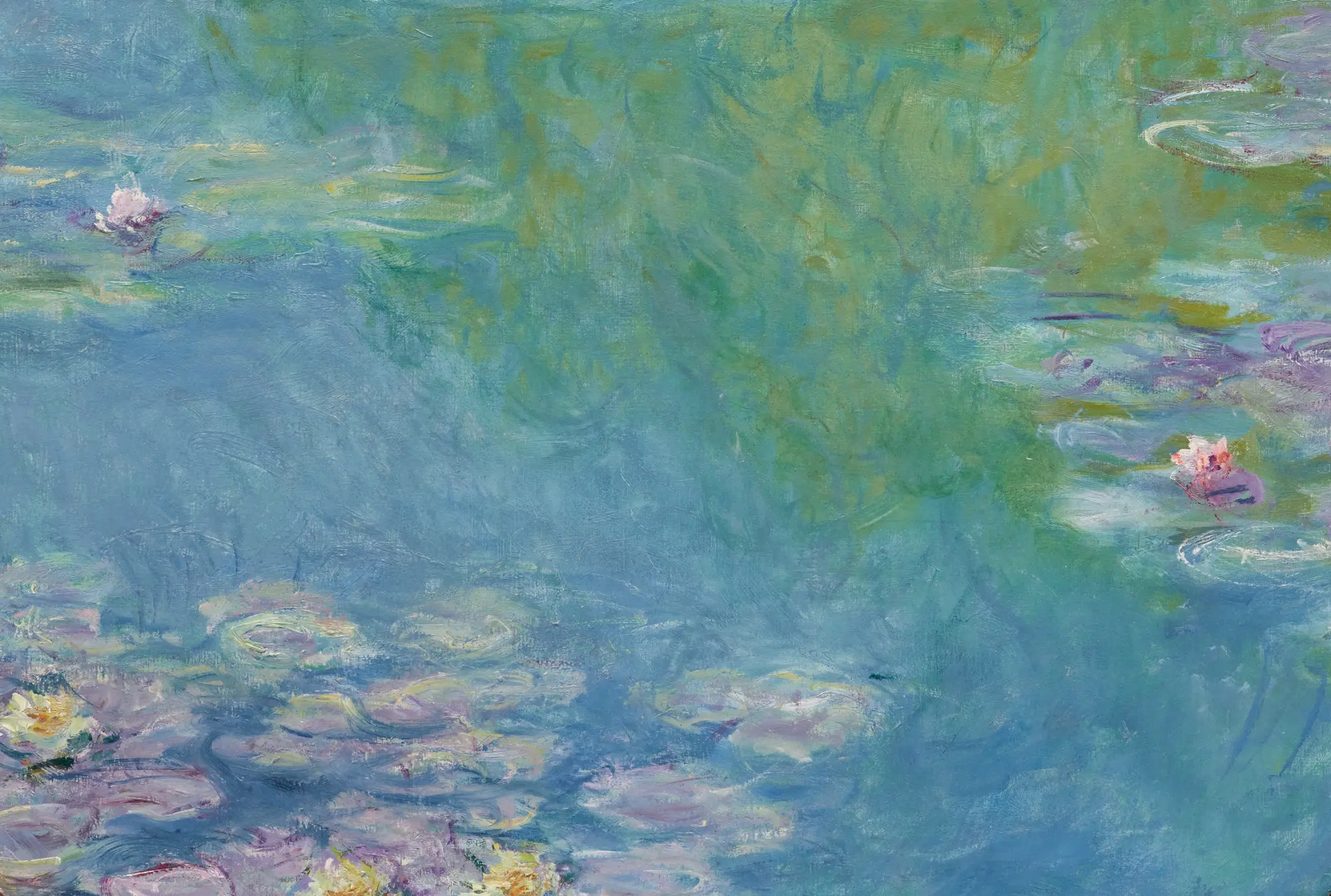
According to the AGO’s Foyer newsletter, the show draws from the Dallas Museum of Art’s permanent collection and is arranged in five chronological and thematic sections. It traces the movement’s beginnings, its methods, and its influence on later artists, with works by Claude Monet, Pierre-Auguste Renoir, Berthe Morisot, Gustave Caillebotte, Edgar Degas, Vincent van Gogh, Paul Gauguin, Henri Matisse, Piet Mondrian, and Edvard Munch among those included. The exhibition frames Impressionism as both an artistic break with academic convention and a foundation for later modernist developments.
The opening section situates the movement in Paris in 1874, when the artists then known as the Anonymous Society of Painters, Sculptors, Printmakers, Etc. mounted their first independent group exhibition. The newsletter notes that the Impressionists bypassed the state-run Academy of Fine Arts’ Salon in favor of their own platform, capturing everyday life rather than historical subjects. Street scenes, domestic interiors, public spaces, and changing light became central to their work, and the exhibition uses that shift as a starting point for its broader historical narrative.
The AGO presentation highlights several individual works as a way of moving through the exhibition’s sections. Gustave Caillebotte’s 'The Path in the Garden' serves as an introduction, while Camille Pissarro’s 'Place du Théâtre Français: Fog Effect' appears in the section on the early days of Impressionism. In the material-and-technique section, Berthe Morisot’s 'The Port of Nice' illustrates the movement’s use of vivid pigments, textured brushwork, and colour for shadows and volume. The landscape section includes Claude Monet’s 'Poplars, Pink Effect', a painting from a series made across 24 canvases from different vantage points. The final section turns to artists after Impressionism, including Piet Mondrian’s 'Windmill', to show how later avant-garde practices grew out of the movement’s challenge to academic values.
The exhibition is curated by Dr. Nicole R. Myers, Chief Curatorial and Research Officer and the Barbara Thomas Lemmon Senior Curator of European Art at the Dallas Museum of Art. At the AGO, the presentation is led by Dr. Caroline Shields, Curator, European Art. The Foyer piece also notes that the AGO has published a companion overview inviting readers to take a closer look at five works and their corresponding sections, underscoring the exhibition’s focus on close looking and art-historical context.
The AGO’s newsletter situates the Impressionism show within a wider stream of museum programming, but the exhibition itself is presented as a distinct summer offering on Level 4. Its subject is familiar but broad: the movement’s controversial beginnings, its experimental approach to landscape and modern life, and the ways it reshaped painting in the late 19th and early 20th centuries. In Toronto, those themes are being told through the Dallas Museum of Art’s holdings and through a set of works that includes 'Poplars, Pink Effect' and 'Windmill' alongside paintings by Monet, Morisot, Renoir, Caillebotte, Degas, van Gogh, Gauguin, Matisse, and others.