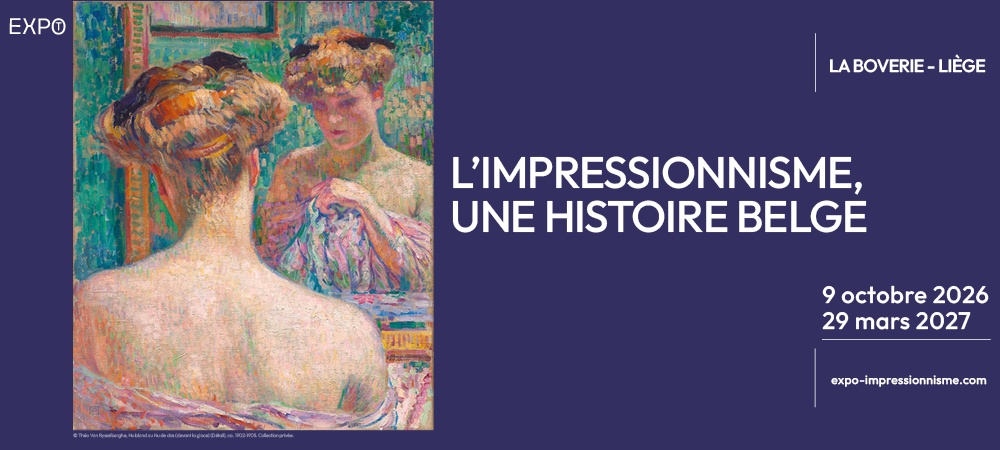
 Image: © Théo Van Rysselberghe, Nu blond ou Nu de dos (devant la glace), ca. 1902-1905. Collection privée.
La Boverie in Liège will mark its tenth anniversary with ‘Impressionism, a Belgian History,’ an exhibition examining Belgium’s role as one of the movement’s most fertile centers. The presentation will bring together nearly 150 works from Belgian and international collections, with the museum describing the project as a route from Paris to Brussels, a major European avant-garde capital during the period. It will run from October 9, 2026, through March 29, 2027.
The exhibition will assemble loans from more than 30 institutions. The participating lenders include more than 20 Belgian museums as well as international institutions such as the Musée d’Orsay in Paris and the Petit Palais in Geneva. La Boverie says the works will be shown in rarely seen combinations, placing Belgian and French artists in direct comparison.
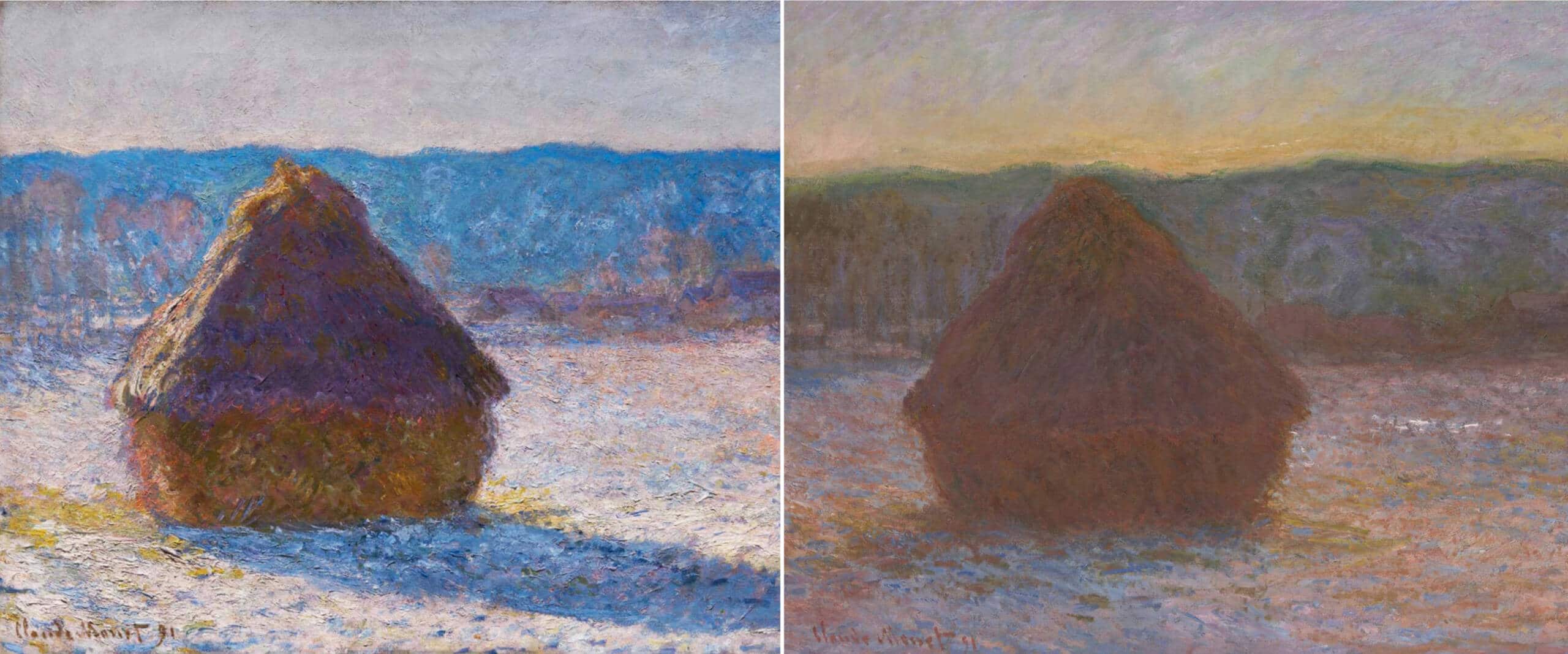
Among the Belgian figures named in the exhibition announcement are James Ensor, Théo Van Rysselberghe, Anna Boch and Émile Claus. They will be presented alongside Claude Monet, Pierre-Auguste Renoir and Alfred Sisley, artists the museum identifies as major French representatives of the movement. A featured work is Van Rysselberghe’s ‘Nu blond ou Nu de dos (devant la glace),’ dated around 1902–05 and listed as belonging to a private collection.
The exhibition will also foreground women artists associated with Belgium’s Impressionist experience. The museum specifically names Juliette Wytsman, Yvonne Serruys and Jenny Montigny, describing them as essential figures whose work contributed to the movement’s development. Their inclusion forms part of the exhibition’s broader effort to look beyond a familiar account centered primarily on French male painters.
According to La Boverie, the exhibition will use a scenography incorporating advanced technologies to guide visitors across several decades. Its stated aim is to show how Belgium became an epicenter of European modernity while setting Belgian and French works into a shared historical and visual framework. The project presents Impressionism not only as a Parisian phenomenon but as a wider exchange involving Brussels and Belgian artists.
‘Impressionism, a Belgian History’ is the museum’s principal autumn exhibition and will be held at La Boverie in Liège. It will be open to the public from October 9, 2026, to March 29, 2027; the museum lists admission as paid. A separate contemporary-art programme, ‘En Piste !’, in its twelfth edition, is scheduled at La Boverie from September 4 to 13, before the Impressionism exhibition opens.