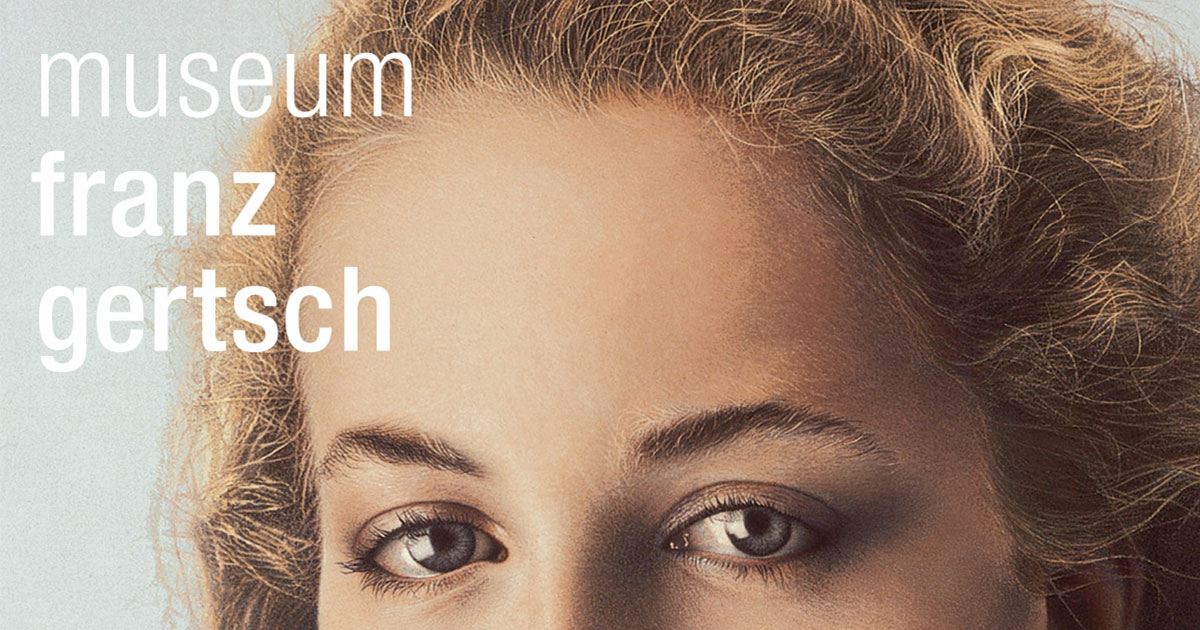
 Image: Franz Gertsch Museum, Burgdorf
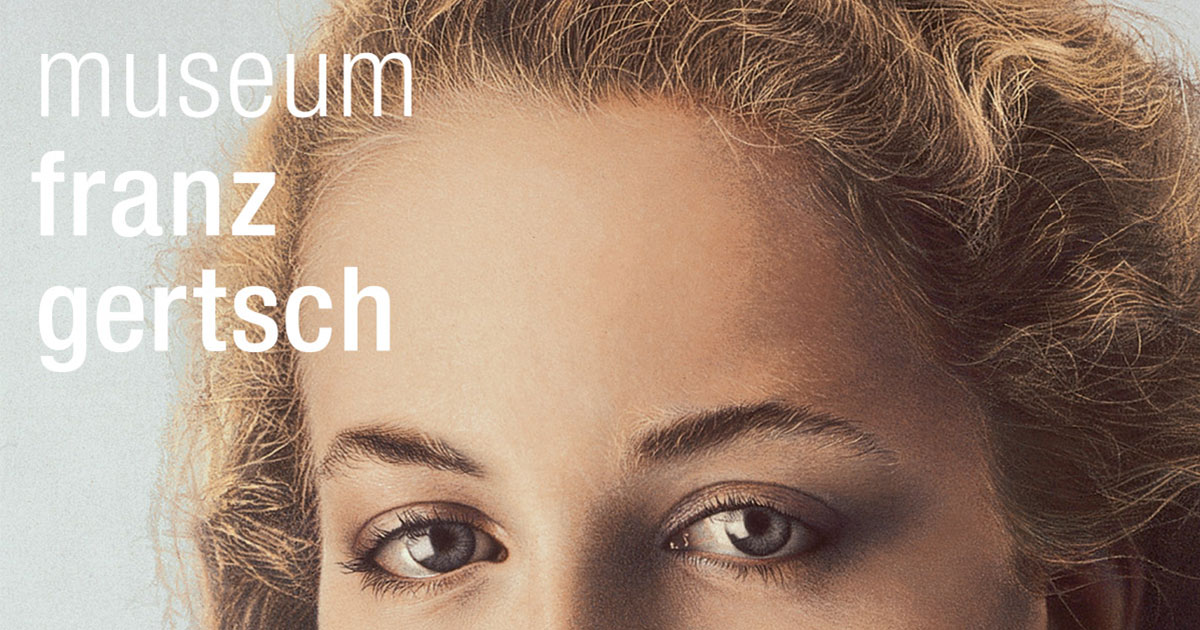
Museum Franz Gertsch in Burgdorf mounted 'Die Siebziger' from 21 March to 4 October 2020, framing the exhibition around Franz Gertsch’s 90th birthday, which he marked on 8 March 2020. The museum described the show as a major presentation built from numerous loans from Switzerland and abroad, and focused on central paintings from the 1970s, the decade in which Gertsch achieved his breakthrough.
Rather than shaping the exhibition as a comprehensive retrospective, the museum used the milestone birthday to revisit a formative period in the artist’s career. The selection brought together large-scale works that first brought Gertsch international attention and recognition, and the display stressed the enduring force of those paintings. According to the museum’s presentation, the works retain the sense of artistic momentum and visual pull that characterized their first appearance.
The exhibition also clarified how Gertsch’s method developed by the end of the 1960s. His commitment to photo-realism is dated in the museum text to 1969, when he discovered photography as the basis for his work. The first example cited is 'Huaa...!', a painting made after a film still reproduced in the magazine 'Salut les Copains'. From that point on, photography—usually self-made—became the artist’s kind of sketch or score, guiding the making of the paintings.
The museum’s account presents the 1970s as a time when Gertsch translated everyday photographs into monumental images. Family snapshots, including scenes of his children in the bath and his wife Maria picnicking with their son Benz, were transformed into large-format paintings. Other works emerged from a trip to southern France, where he photographed Sinti and Roma girls playing by the sea and then developed those images into the 'Saintes Maries de la Mer' cycle. The exhibition also traced the artist’s work with the young Lucerne artist Luciano Castelli, whose changing presence before the camera became a key subject in Gertsch’s paintings.
Castelli occupies a central place in the exhibition narrative. The museum notes that he was, alongside Patti Smith, one of the most important protagonists in Gertsch’s paintings of the 1970s. In those works, Castelli appears in dense single images and multi-figure compositions with friends such as Marina, Barbara, Gaby, Irene and Franz. The museum described these paintings as creating a world shaped by the tension between vivid reality and poetic, imaginative interpretation. In the show, these works stood for the social and creative energy of the decade.
The exhibition text also identified two outside points of reference for Gertsch’s rise: the curators and exhibition makers Jean-Christophe Ammann and Harald Szeemann, who discovered his work at the time. The museum said the birthday exhibition demonstrated that the paintings have not lost any of their original spirit. A related presentation, 'Luciano Castelli. Reckenbühl', ran over the same dates in the museum’s cabinet space, and the museum also listed a cooperation with LENTOS Kunstmuseum Linz, where the exhibition was scheduled to be shown from 30 October 2020 to 18 April 2021. In Zurich, 'Franz Gertsch. Looking Back. Hommage zum Neunzigsten' at the Graphische Sammlung ETH Zürich was listed for 1 September to 15 November 2020.