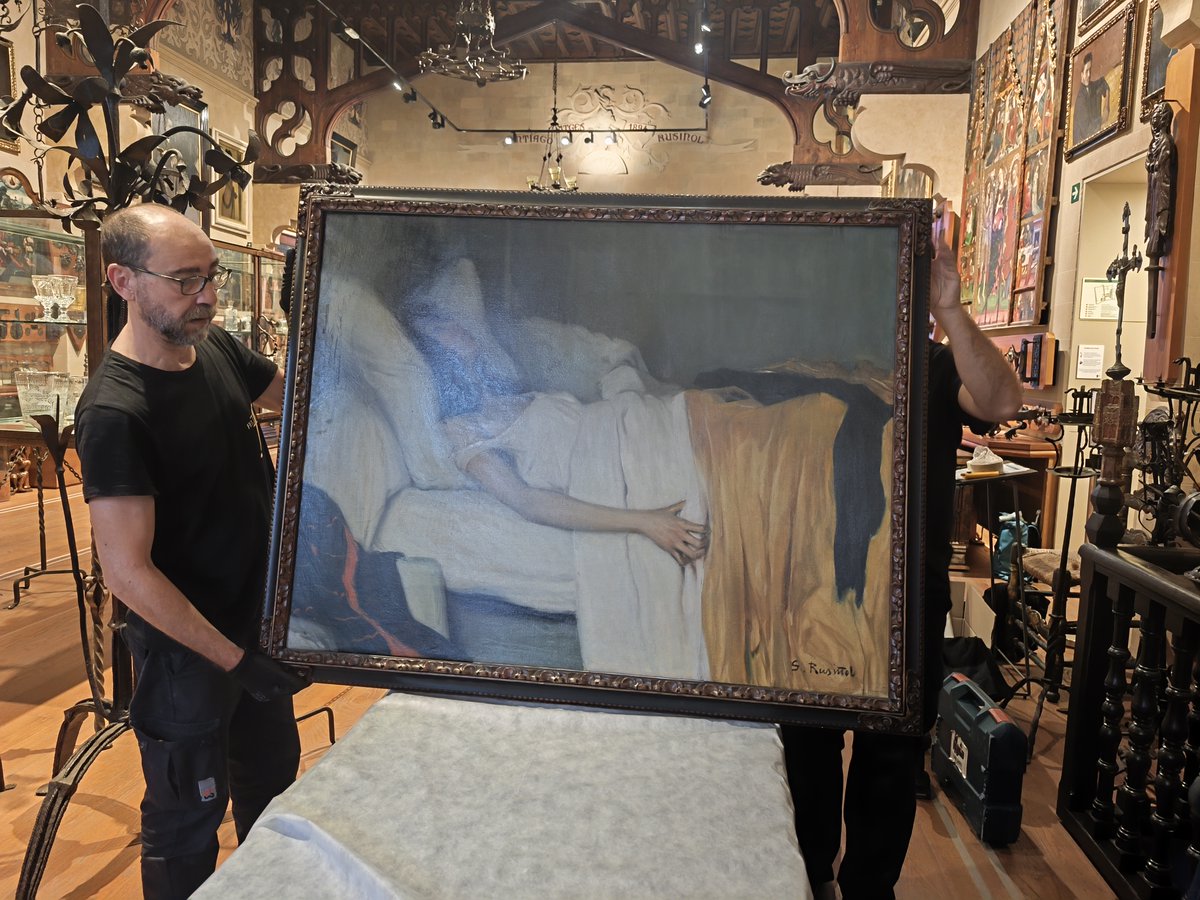
 Image: Cau Ferrat Museum, Sitges
Museus de Sitges has announced Sitgestiu 2026, a summer programme that will run from July 1 to August 31 and turn several of the town’s key heritage spaces into stages for concerts, guided visits, sensory experiences, family activities and outdoor screenings. Framed by the theme of Mediterranean light, the season is designed to bring the institutional collection and historic sites closer to the public through what the museum group describes as innovative and emotionally engaging proposals.
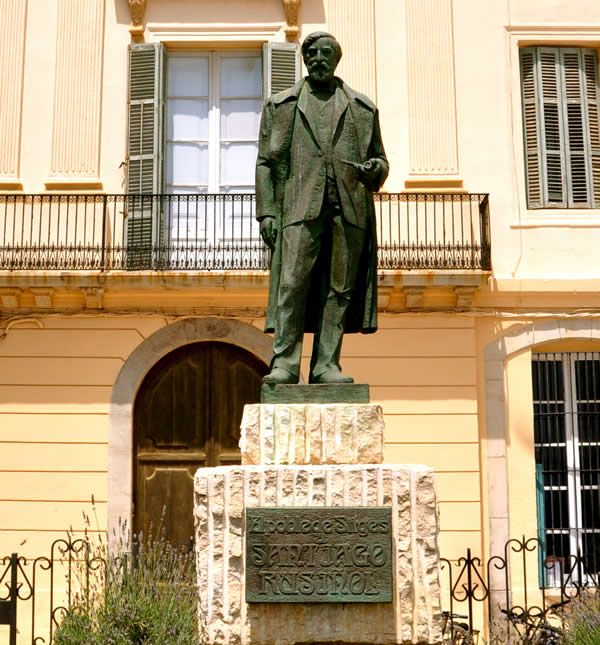
The announcement comes from the Cau Ferrat Museum and the wider Museus de Sitges network, which includes the Museu de Maricel, the Palau de Maricel, the Museu Romàntic and the Fundació Stämpfli. In its presentation, the institution links the idea of light to Sitges’ artistic identity, invoking the town’s association with Santiago Rusiñol, the modernists and the painters of the Escola Luminista. That historical framing situates the programme not simply as seasonal entertainment, but as a way of reactivating the cultural meaning of the museum sites themselves.
Sitgestiu 2026 is organized into four sections: Essencials, En Viu, En Família and En Ruta. Together they aim to offer different ways of engaging with the town’s heritage, from music and opera to landscape-based itineraries and multisensory visits. The breadth of the programme signals a wider trend in museum programming toward cross-disciplinary public engagement, while also reflecting Sitges’ long-standing identity as a place where art, performance and coastal landscape intersect.
Music anchors the Essencials section. Clàssica al Racó will feature prizewinners from the 29th Mirabent i Magrans Competition at Racó de la Calma, beginning July 8 with soprano Kety Gorgozde and pianist Manuel Ruiz. Other scheduled performances include Ethos Ensemble on July 15, Jouska Quartet on July 22 and contratenor Álvaro Basco with pianist Llum Colomer on July 29. Jazz al Mirador will return to the Sala Gòtica of the Museu de Maricel with Retrio on July 14 and 28 and August 4, while opera offerings include Òpera a la fresca on July 26 and two performances of the pocket opera Madama Butterfly on July 19 and August 9 at the Saló d’Or of the Palau de Maricel.
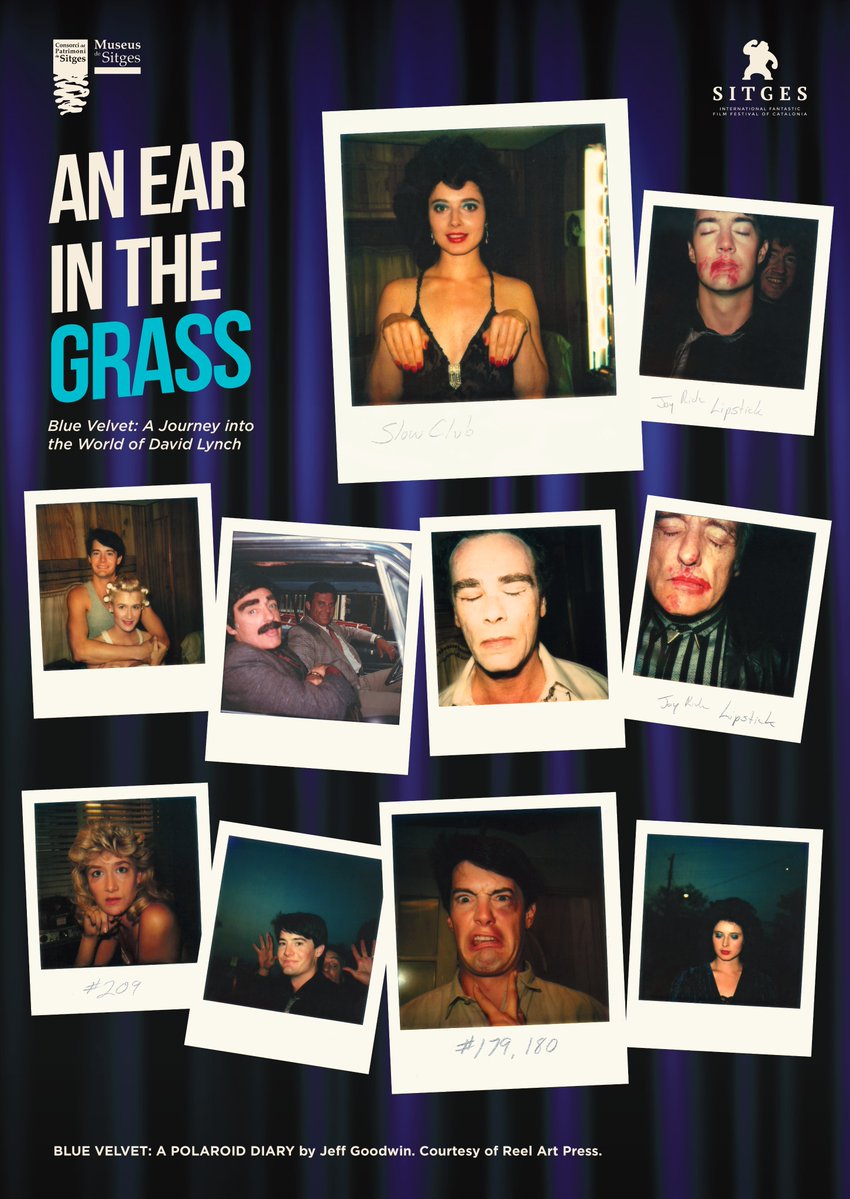
The programme also extends beyond music. On August 8, the Racó de la Calma will host a free evening combining short films from the Sitges Fantastic Film Festival with Ángulo Muerto, the fiction short by Sitges-born director Cristian Beteta. In En Viu, the museum spaces become settings for sensory and reflective experiences, including a perfume-and-wine walk led by perfumer Irene Gisbert and sommelier Mercè Sumarroca, and Malvasia. L’art entre el mar i el cel, a tasting that connects heritage, landscape and local wine tradition. Night visits under the full moon and an early-morning yoga session on the Palau de Maricel terraces further broaden the programme’s scope.
Family audiences are addressed through workshops and participatory performances, among them a scientific show about light, color and physics, a children’s introduction to Mozart’s The Magic Flute, and a Festa Major-inspired T-shirt workshop. In En Ruta, visitors can move through the town’s artistic geography via the Museum Walking Tour, sensory tours of the Cau Ferrat and Maricel museums, a Modernist Night Tour that ends with a recreation of Loïe Fuller’s Serpentine Dance, and a guided visit to the Santuari del Vinyet with organ music.
The museum network says full information on schedules, prices and ticketing is available on its website. For Sitges, the significance of Sitgestiu 2026 lies in how it positions heritage as something lived rather than merely viewed: a summer-long public programme that ties together modernisme, music, local landscape and contemporary participation under the unifying image of Mediterranean light.