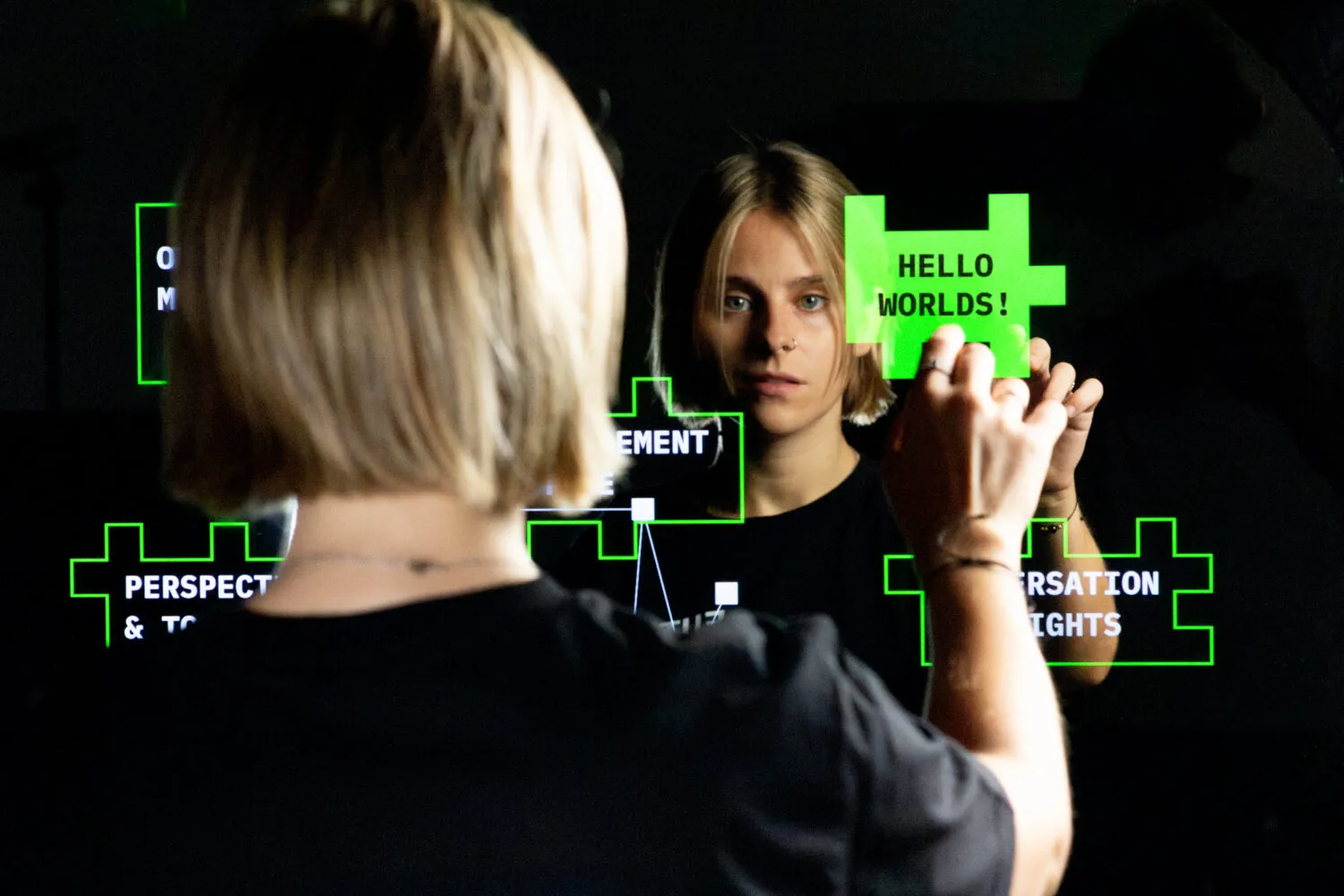
For the first time, this year’s Prix Ars Electronica is also honouring projects through the AI for Social Impact Initiative, a new award created in collaboration with CARE Austria and Ars Electronica. The initiative recognises projects that use artificial intelligence to address social, environmental and humanitarian challenges, with a particular focus on work from Africa, Latin America, South and Southeast Asia, and the MENA region.
Ars Electronica, the Linz-based organisation behind the annual Prix Ars Electronica, said the award is intended to highlight initiatives using AI for tangible improvements in disadvantaged communities. The announcement places the new category within the long-running Prix Ars Electronica framework, extending the competition’s reach beyond artistic and research categories into projects with direct public-benefit applications. According to the organisation, €15,000 in prize money is divided across two Grand Prizes and three Awards of Distinction.
Among the projects singled out in the announcement is 'The Afiya AI (Artificial Intelligence) Solution: An AI-Powered Ecosystem for Migrant Health Equity' by Shadi Henchiri (TN). The project is presented as a response to a practical barrier faced by many migrants: knowing where to start when seeking care after arrival in a new country. The source material says that migrants may arrive with untreated medical conditions, no health insurance and no formal documents, conditions in which even simple ailments can escalate into emergencies.
The other highlighted project is 'Leveraging Artificial Intelligence to Improve Pregnancy Risk Detection, Maternal and Infant Health Outcomes' by HelpMum (NG), led by Dr. Abiodun Adereni. The description says the project improves healthcare for pregnant women in underserved regions by helping healthcare professionals identify risks early and make timely referrals. It also uses WhatsApp to give women access to reliable information and support related to pregnancy and childbirth.
The announcement presents both projects as examples of AI being applied to public health access rather than to experimental or commercial systems alone. In the case of Afiya AI, the emphasis is on migrant health equity and on building an ecosystem that addresses the navigation problems surrounding care in unfamiliar systems. In the case of HelpMum, the focus is on maternal and infant health outcomes and on digital tools that can support frontline care and patient information.
The newsletter text from Ars Electronica frames the new initiative as part of its wider programme of awards and refers readers to the organisation’s blog for interviews with the founders and to a list of all awarded projects. It also reproduces the titles of the two highlighted works and identifies the countries attached to the projects as Tunisia for Shadi Henchiri and Nigeria for HelpMum.