 Image: Carmen Thyssen Museum, Málaga
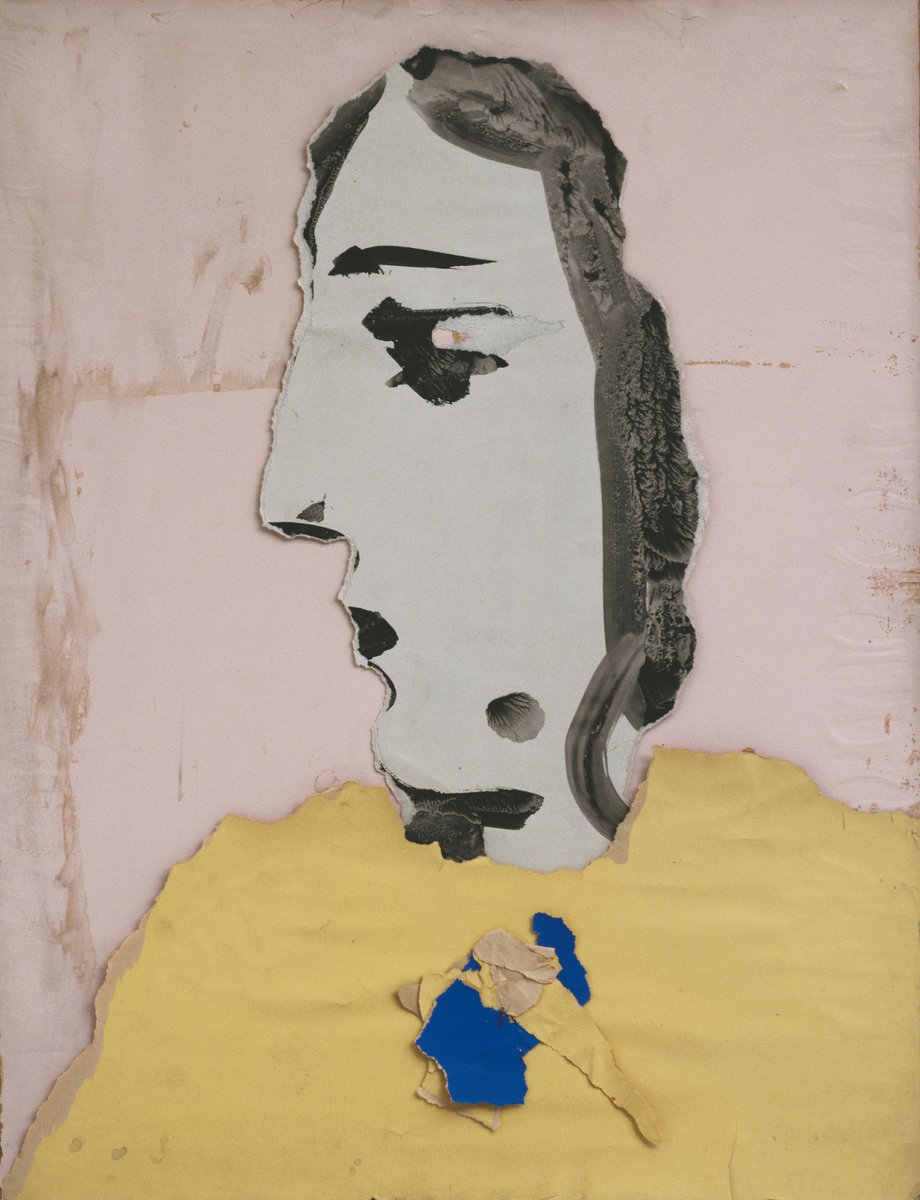
The Carmen Thyssen Museum in Málaga is highlighting a work by Pablo Picasso in its temporary exhibition “Archipiélago,” drawing attention to the painter’s presence in a show otherwise centered on the museum’s broader curatorial framing. According to the museum, visitors can see “Busto de mujer con blusa amarilla” (1943), a collage on wooden sheet by the Málaga-born artist.
The inclusion is notable because it places a Picasso work within the context of a temporary exhibition at a museum best known for presenting art through the lens of its own collection and changing thematic displays. The museum’s announcement underscores the appeal of seeing a major 20th-century artist from Málaga represented in a local institution’s programming.
“Busto de mujer con blusa amarilla” dates to 1943 and is identified by the museum as a collage on wood. Even in this brief presentation, the work is being framed as evidence of Picasso’s continuing mastery during the 1940s, a period when the artist was working through wartime Europe and producing art in a variety of techniques and formats.
The museum’s message does not provide a full checklist for “Archipiélago,” but it does make clear that the Picasso piece is one of the exhibition’s drawcards. For audiences, the opportunity to encounter a work by Picasso within a temporary museum show can create a point of entry to the exhibition and encourage broader attention to the surrounding installation.
For Málaga, the significance is also local. Picasso’s connection to the city remains a powerful part of its cultural identity, and museum programming that presents his work in situ continues to reinforce that relationship for residents and visitors. A Picasso collage from 1943 also broadens the public image of the artist beyond painting alone, showing his engagement with collage and mixed materials.
The announcement is brief, but it signals how museums can use a single well-known work to strengthen the visibility of a temporary exhibition. By featuring Picasso in “Archipiélago,” the Carmen Thyssen Museum adds historical weight and name recognition to the show while giving audiences a chance to see an important work by one of the best-known artists of the 20th century.