 Image: Carmen Thyssen Museum, Málaga
The Museo Carmen Thyssen Málaga will open ‘¡Olé! El mito de lo español a través de Andalucía’ on 3 October, bringing together an extensive selection of artworks that examines how Andalusia has shaped visual ideas of Spain since the 19th century. The exhibition will run through 21 February 2027 in the museum’s temporary exhibition room.
Curated by Bárbara García Menéndez and Alberto Gil of the Museo Carmen Thyssen Málaga’s conservation department, the exhibition sets out to question the conventional folkloric image of Spain as a country defined by bullfighting and flamenco. Rather than treating these motifs as a straightforward national identity, it presents them as part of a larger and contested history of representation.
The exhibition traces the emergence of Andalusia as an international subject during the early 19th century, when foreign travellers “discovered” the region beyond the main routes of the Enlightenment Grand Tour. In the museum’s account, Andalusia consequently became associated with exoticism, freedom, leisure and an apparently carefree way of life, alongside a repertoire of popular types and cultural practices that continues to inform the promotion of Andalusian and Spanish identity.
The show brings together contrasting approaches to that imagery. These include the paternalistic depiction of Andalusia as wild or primitive, fascination with its landscape and perceived beauty, the adoption of Andalusian subjects within Spanish modernism, and the repetition of folkloric stereotypes in increasingly commercial or kitsch forms. Other works challenge the “postcard” image through irony or denunciation, questioning representations that may be incomplete, self-interested or false.
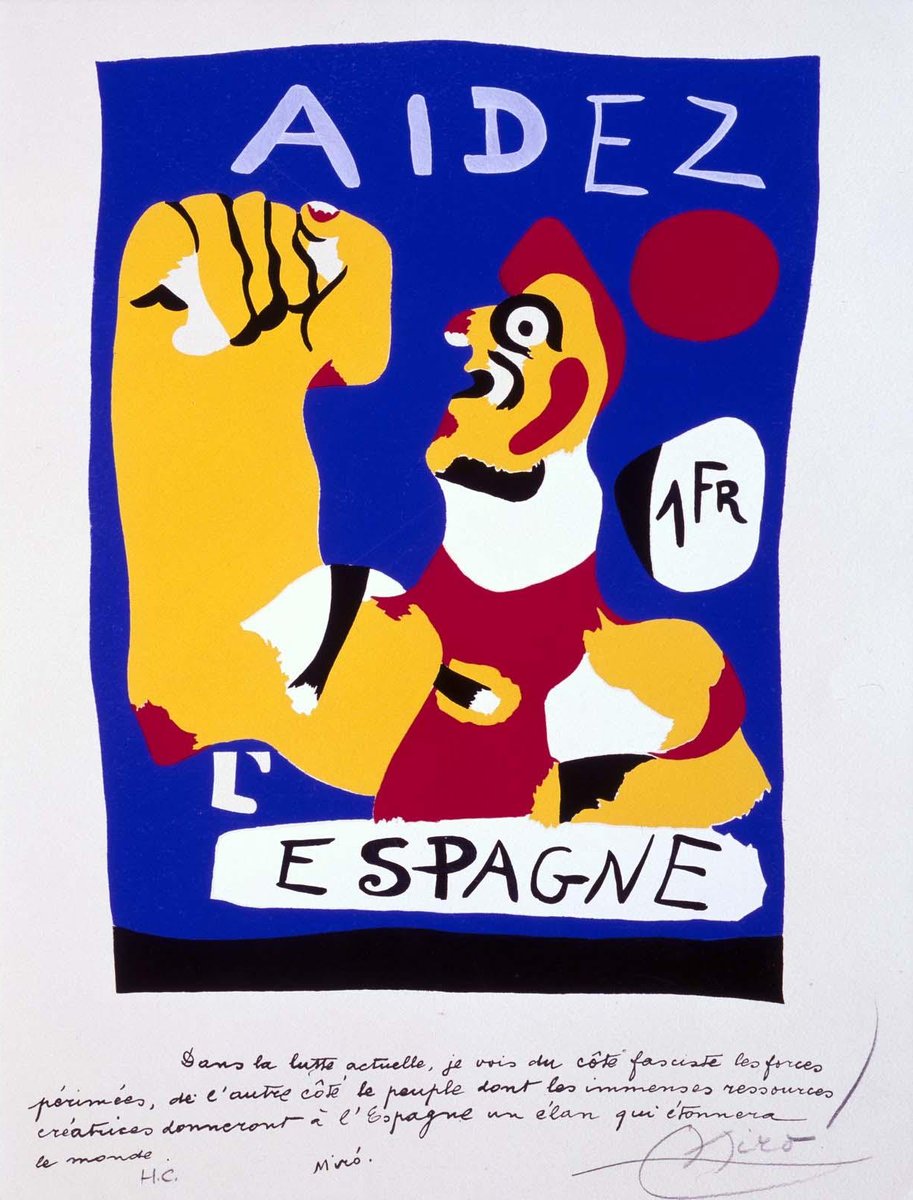
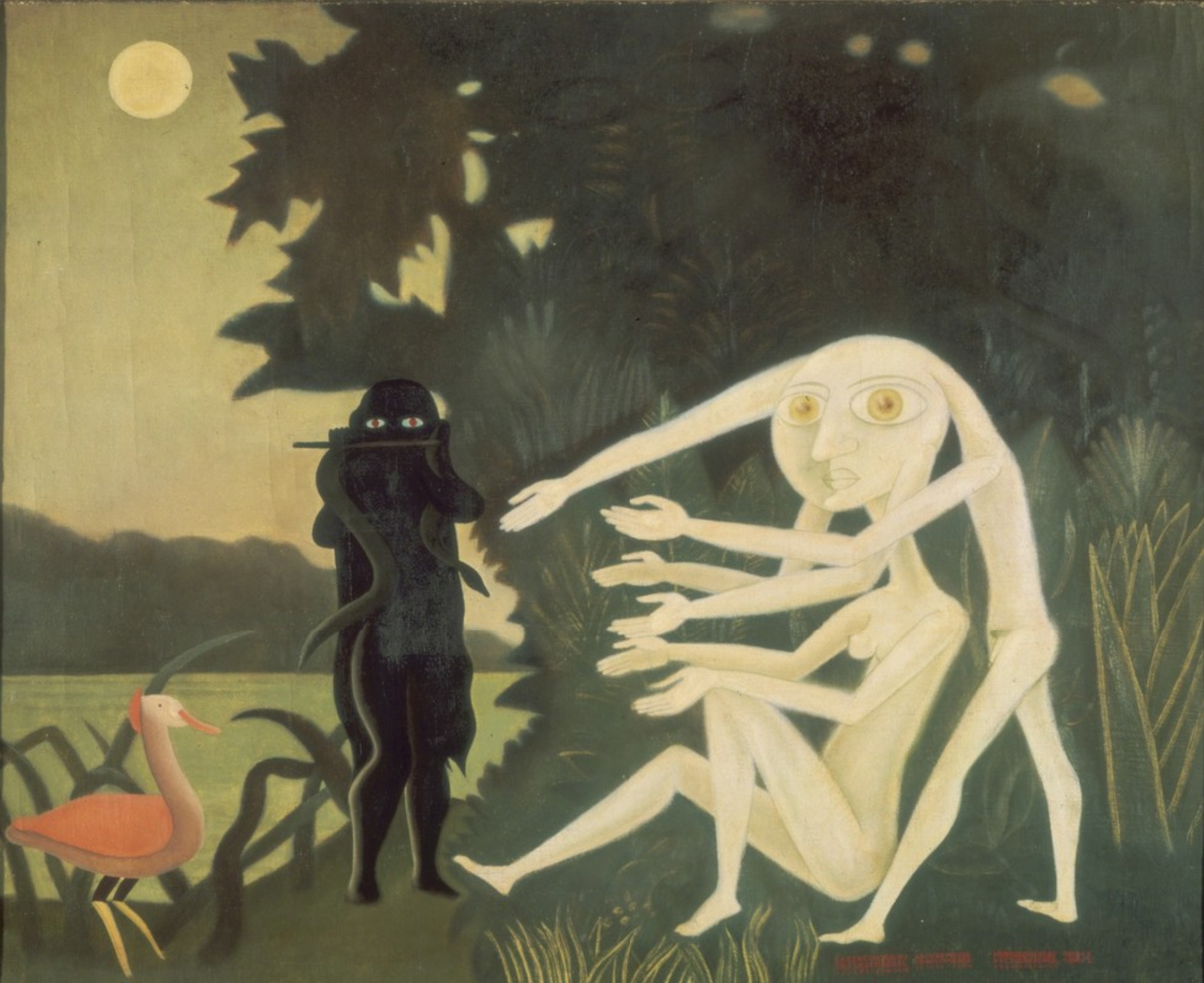
The participating artists include Alberto Sánchez, Eduardo Arroyo, Miquel Barceló, Rafael Benjumea, Julio Romero de Torres, José Gutiérrez Solana, Francisco de Goya, Julio González, Cristina García Rodero, Robert Capa, Pablo Picasso, Joaquín Sorolla, Ignacio Zuloaga and María Blanchard, among many others. The list also includes international artists such as Mary Cassatt, William Merritt Chase, Eugène Delacroix, Kees van Dongen and Théodore Roberts. The selection is intended to form a historical mosaic of how artists—particularly Spanish artists—have interpreted and projected Andalusian and, by extension, Spanish identity from differing positions.
The museum describes the project as an examination of the myth “in situ”: from an institution located in Andalusia and from a specifically Spanish perspective. Foreign views form part of the narrative, but the exhibition also addresses the role of Spanish artists in reinforcing, adapting or resisting the images associated with the region. Its range extends beyond flamenco performers, dark-haired popular types, mantillas, fans, guitars, bulls and bullfighters to include the tensions between pride and uncertainty, beauty and social reportage, patriotic exaltation and tourism, tradition and modernity, fact and invention.
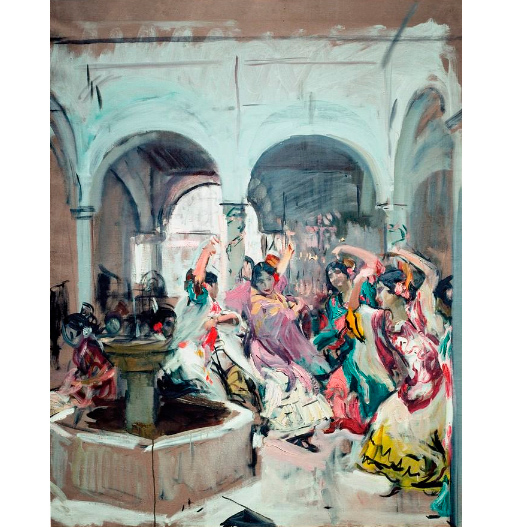
The exhibition forms part of the Museo Carmen Thyssen Málaga’s programme marking its 15th anniversary. Its published image references Joaquín Sorolla’s ‘Estudio para La cruz de mayo’, dated around 1914–15 and held by the Museo Sorolla in Madrid, and Kees van Dongen’s ‘Vieja gitana’ from 1910, in the C. Moreno-Torres Collection. ‘¡Olé! El mito de lo español a través de Andalucía’ will be on view from 3 October 2026 to 21 February 2027.