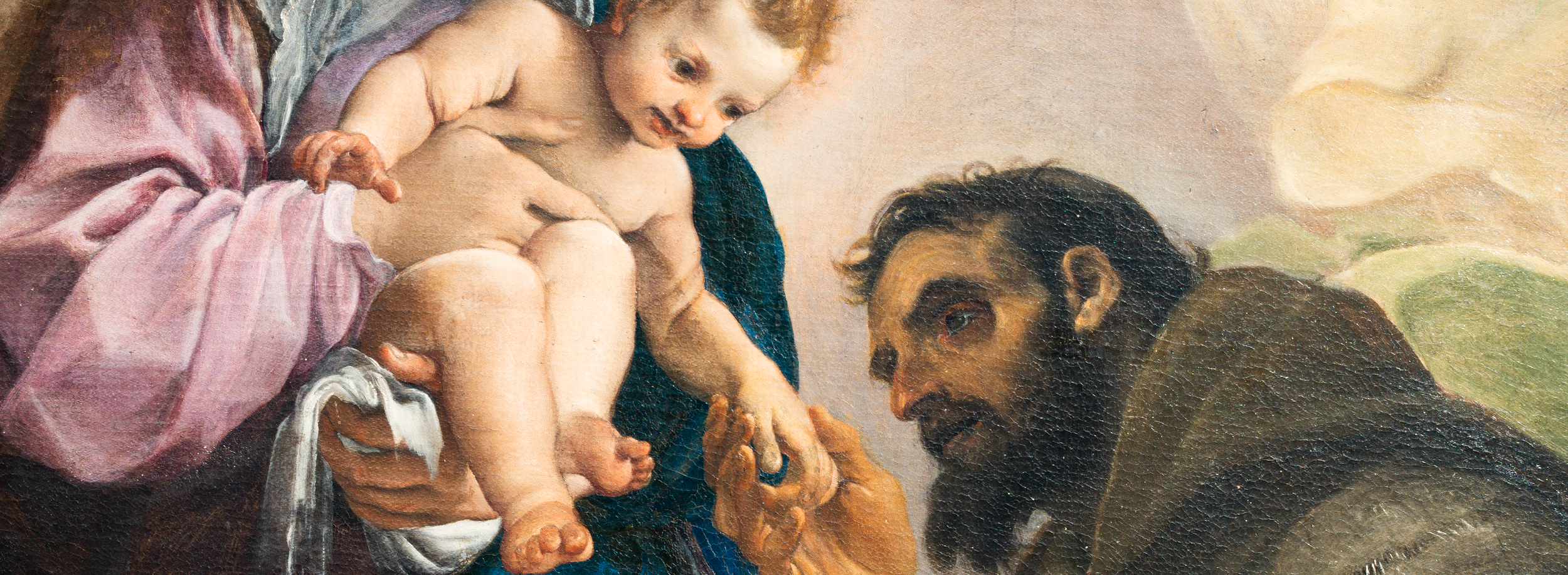
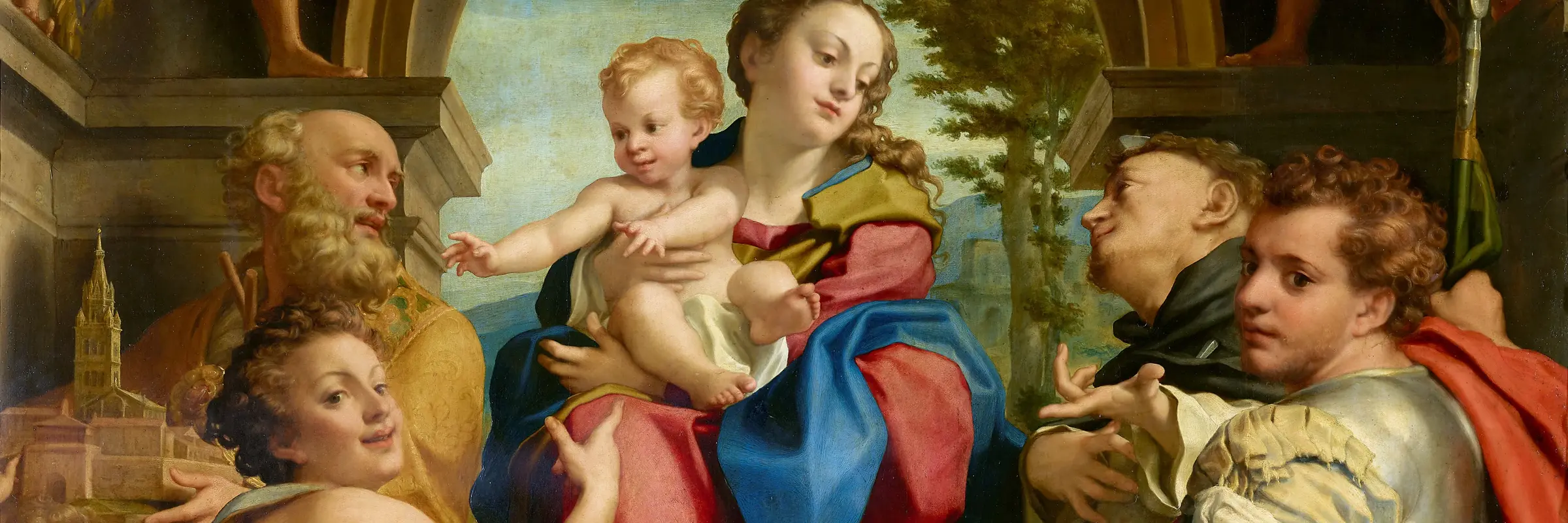
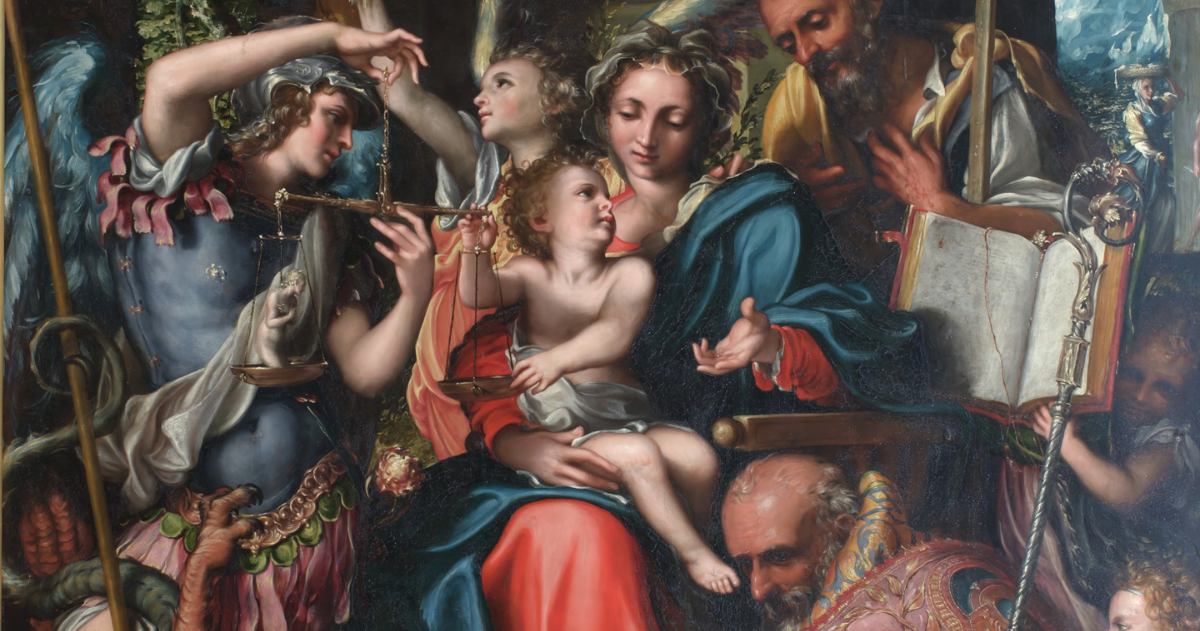
 Image: Giorgio Gandini Del Grano, Sacra Famiglia coi santi Michele arcangelo, Geminiano e angeli
The Complesso monumentale della Pilotta in Parma will present "Giorgio Gandini Del Grano. L'enigma di un maestro sulle orme di Correggio" from October 17, 2026, to January 17, 2027. It is the first monographic exhibition devoted to Gandini Del Grano (Parma, 1498–1538), a painter of the Emilian Renaissance whose life and work have long remained obscure.
The show is curated by Stefano L'Occaso, director of the Palazzo Ducale in Mantua, and Denis Ton, director of the Pilotta, with the collaboration of Stefania Girometti. For the first time it brings together the complete group of his known paintings, shown with a selection of his drawings.
Gandini Del Grano belonged to the so-called School of Parma, the circle of painters regarded as followers of Correggio. Scarce records of his life and the small number of surviving works kept him in the background for a long time. The project presents significant new documentary findings and is accompanied by the first monographic catalogue on the artist.
All nine paintings that scholars consider autograph are on view. Besides the Pala di San Michele in the Pilotta's own collection, they include his only other altarpiece, now at the Palazzo Pitti in Florence. The remaining seven are small-format works: three in the Galleria Nazionale di Parma, one in the Pinacoteca of the Accademia di Belle Arti in Turin, two in private collections in England and one at the Sinebrychoff Art Museum in Helsinki. The Parma paintings will be hung in a single room with the loans, so visitors can compare closely related works. Among them is "The City of Parma Presented to the Virgin," a panel the Pilotta acquired in 2024, which pairs a complex devotional composition with a symbolic reference to the city where the artist spent his whole career.
Recently found archival documents record his baptism in Parma in 1498, settling earlier doubts about his birth. His public and religious commissions fall within a short span between 1528 and 1538. In 1535 he was engaged to complete the frescoes of Parma Cathedral after Correggio's death in 1534, but he died in 1538 having produced only preparatory drawings for the project.
Drawings lent by the Albertina in Vienna, the Louvre in Paris, the Gallerie dell'Accademia in Venice and the Uffizi in Florence are shown beside the paintings, giving a closer view of his technique. The Pilotta presents him as a petit maître of the early sixteenth-century Parma school, a minor figure only in appearance.