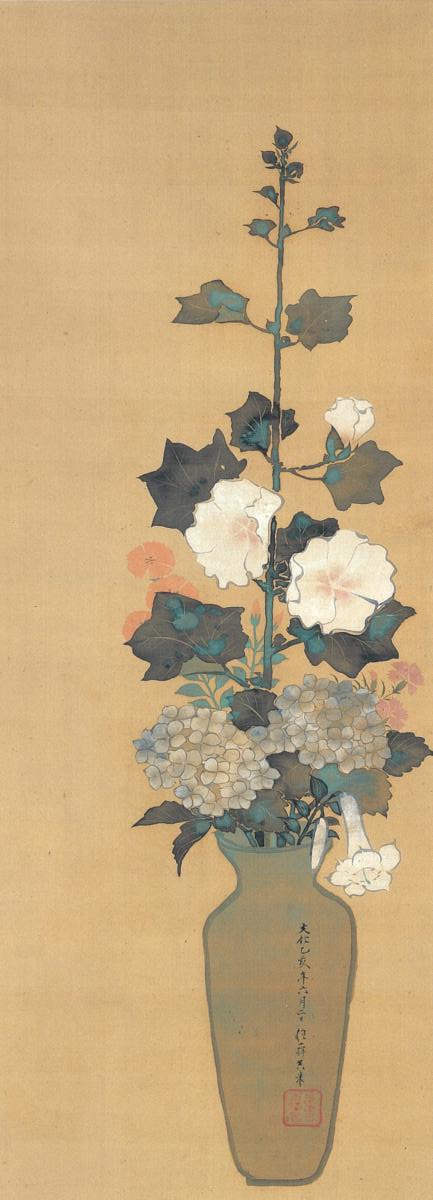
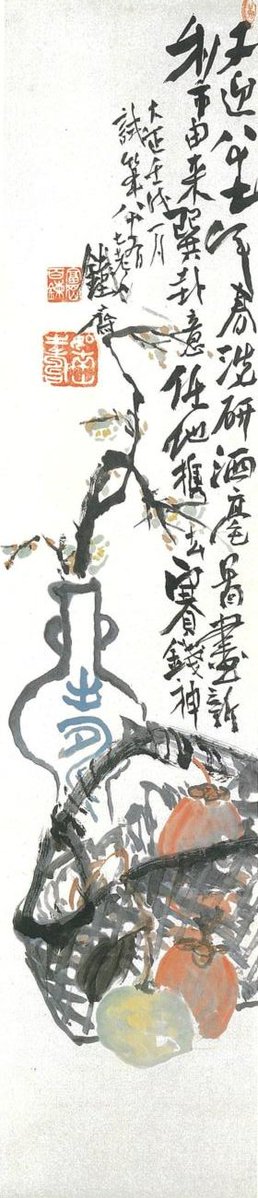
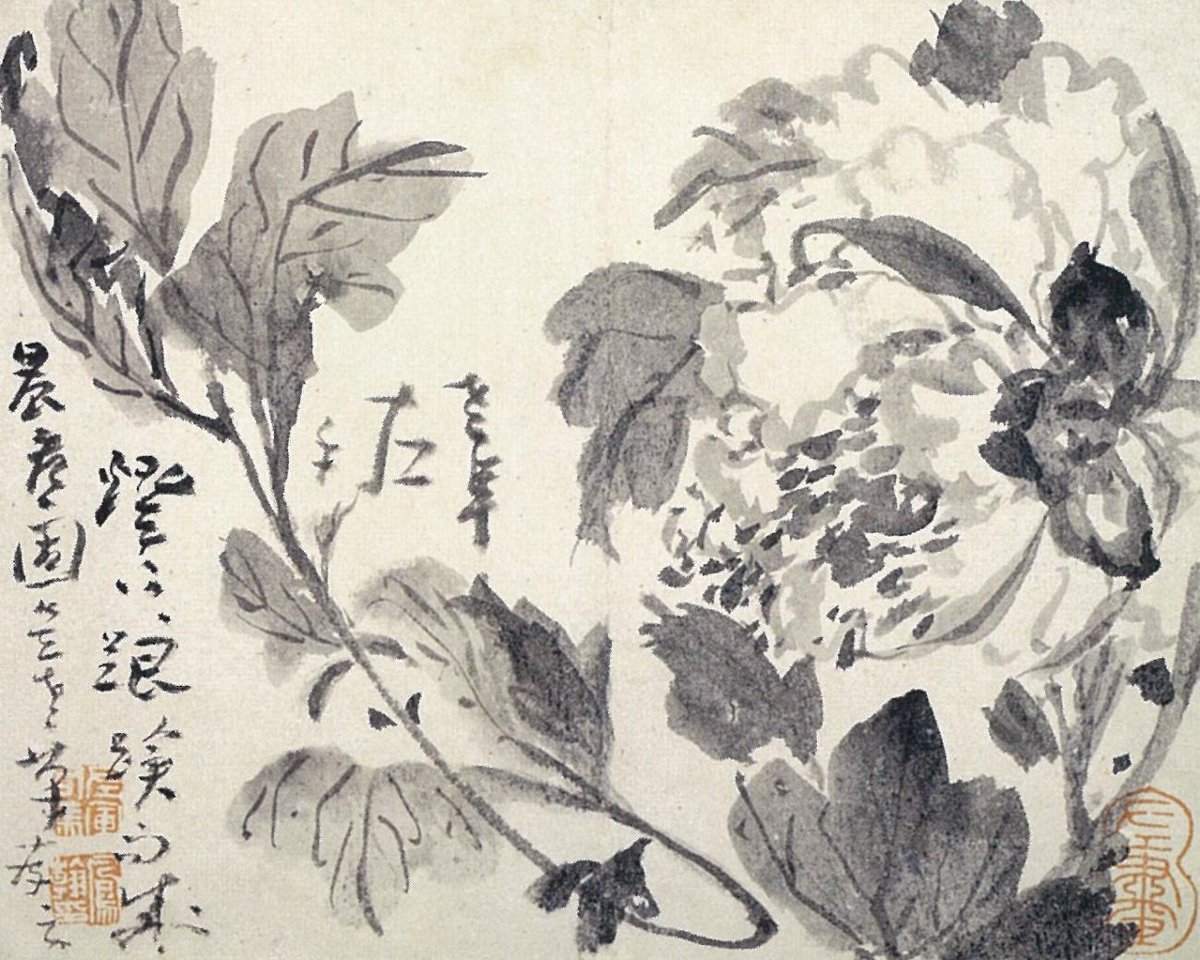
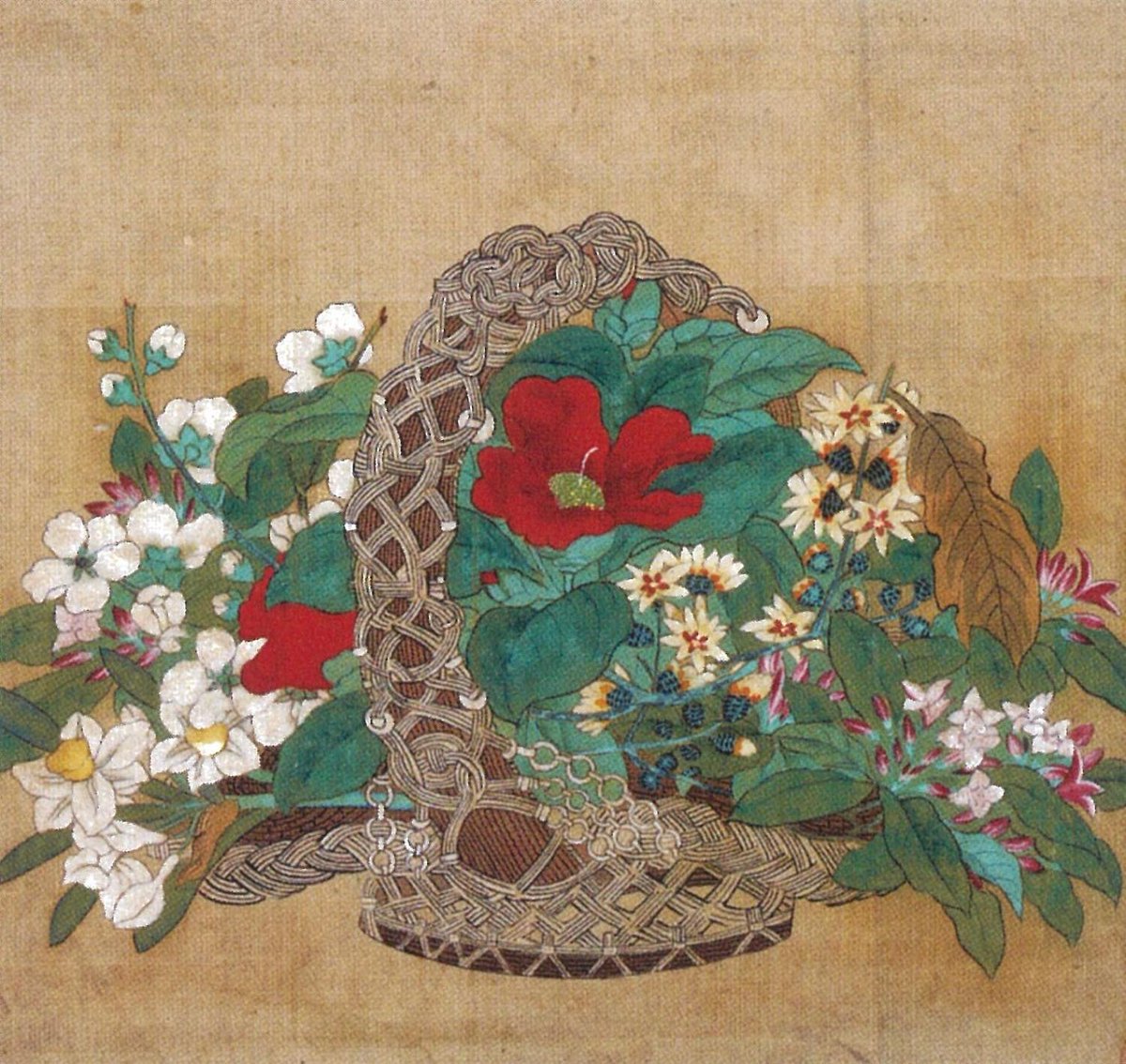
 Image: Museum Yamato Bunkakan, Nara
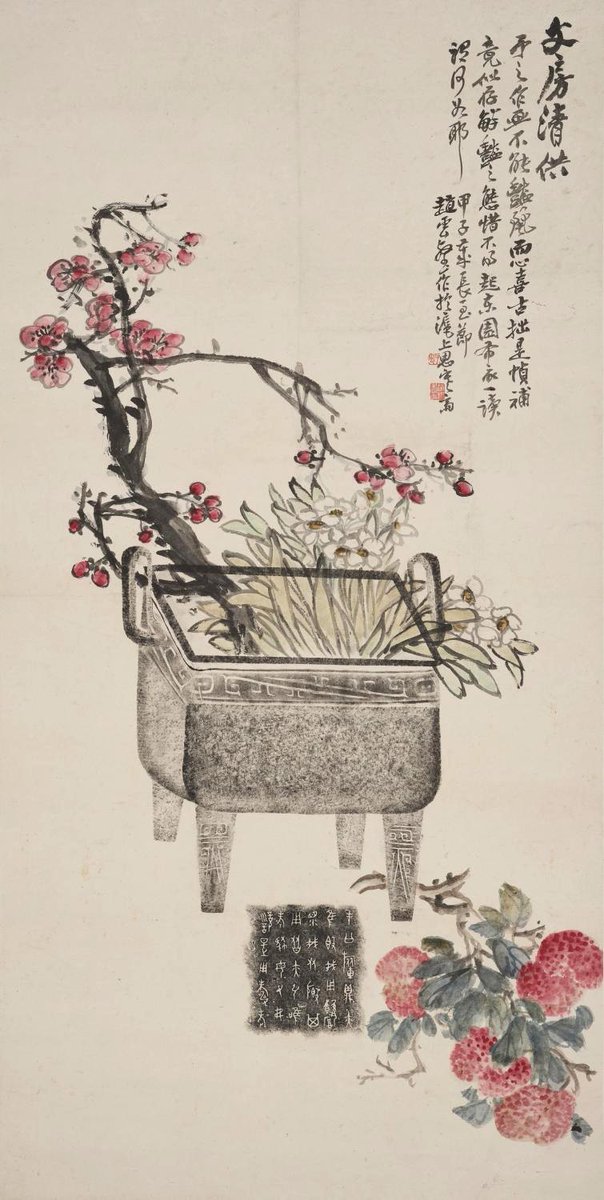
A work by Qing dynasty scholar Zhao Yunhe, 'Literati's Declaring Classic Stationery', is drawing attention for the way it combines scholarly image-making with references to a much older Chinese ritual object. According to the source material, the work in the collection of the Hyogo Prefectural Museum of Art includes a rubbing of a bronze vessel, 'Fang Ding', dating to the Western Zhou period, roughly the 11th to 8th centuries BCE.
The composition depicts traditional floral still life imagery alongside the vessel rubbing. Red plum blossoms and water lilies appear with bright red lychee fruit, a grouping that the source says symbolizes good fortune. The pairing of such motifs with the archaic bronze image places the work within a literati visual culture in which text, antiquarian interest and symbolic decoration often overlap.
Zhao Yunhe’s 'Literati's Declaring Classic Stationery' is identified in the source as a Qing dynasty scholar’s work. No further biographical details are provided, but the title itself suggests the kind of cultured, self-conscious artistic framing associated with scholar-official painting and calligraphic practice. The use of a rubbing also points to the longstanding role of epigraphic and antiquarian materials in Chinese art, where reproductions of bronze inscriptions and vessels could function as both historical reference and visual source.
The bronze vessel represented in the work, 'Fang Ding', is itself held at the Shanghai Museum, according to the source material. That detail situates Zhao’s work within a chain of collecting and interpretation that spans multiple institutions and periods: a Western Zhou ritual object in Shanghai, and a later Qing-era artistic response now held by a museum in Hyogo.
The information comes from Museum Yamato Bunkakan in Nara, Japan, which is sharing the work through its museum communications. The notice identifies the Hyogo Prefectural Museum of Art as the holding institution for Zhao Yunhe’s piece and highlights the iconography of the composition rather than presenting a wider exhibition context or event schedule.
The image’s symbolic vocabulary is straightforward but dense: plum blossoms, water lilies and lychee fruit are arranged around the bronze rubbing, with the fruit’s red color underscored as a sign of good fortune. In this way, 'Literati's Declaring Classic Stationery' brings together auspicious natural imagery and an antiquarian reference to one of China’s foundational bronze traditions, while preserving the specific institutional trail from the Western Zhou original in Shanghai to the Qing-era artwork in Hyogo.