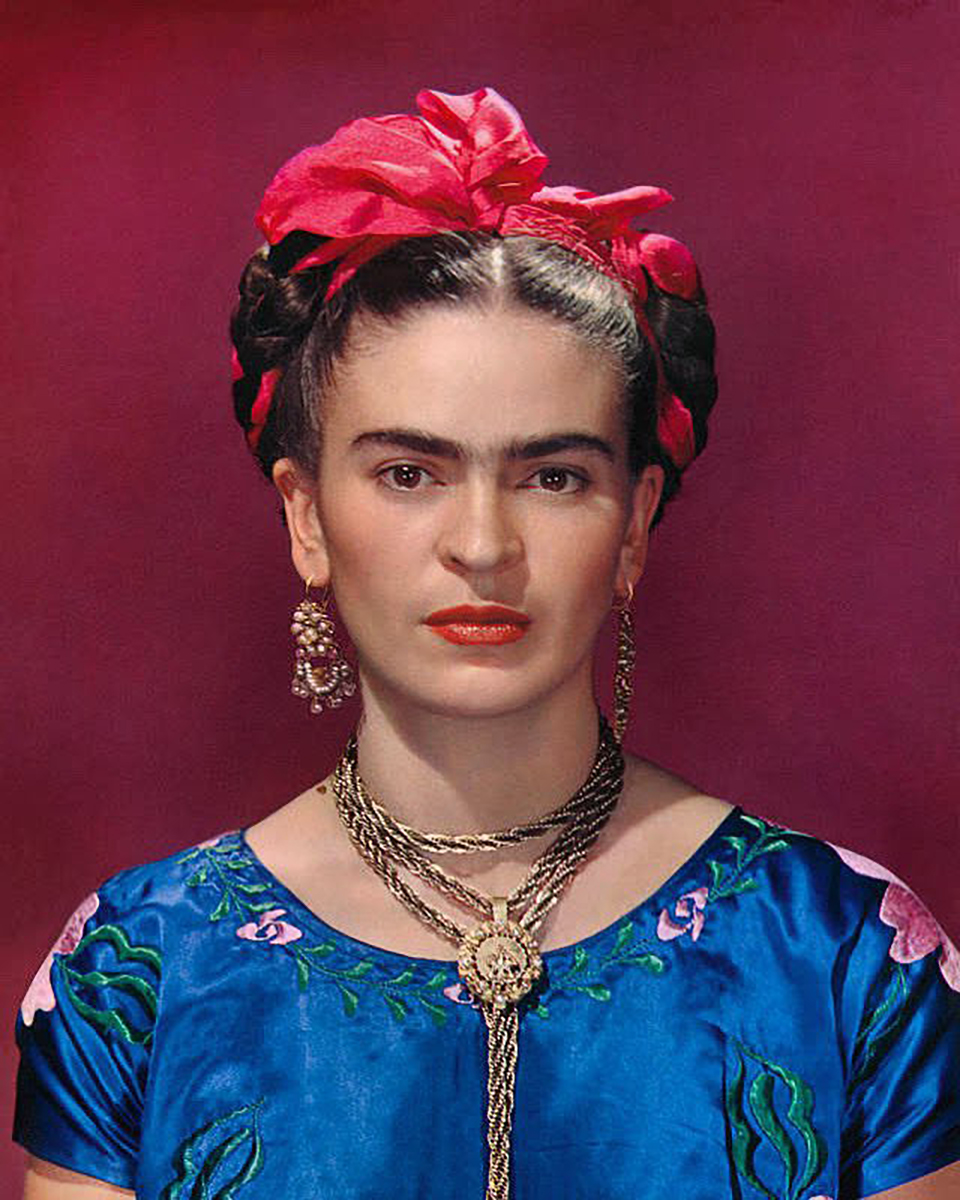
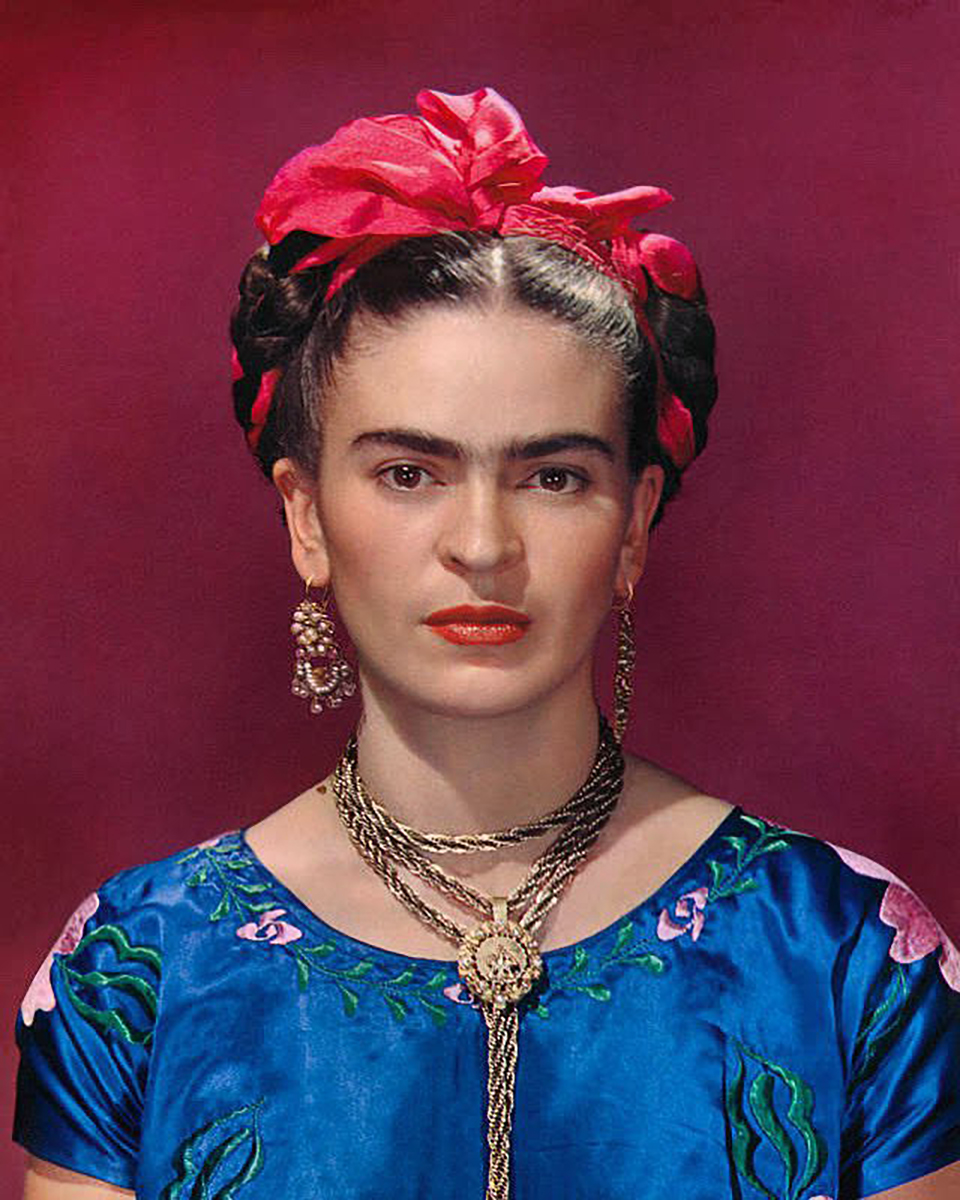
 Image: Nickolas Muray. Frida Kahlo in Blue Satin Blouse, 1939. © Nickolas Muray Photo Archives.
Frida Kahlo's personal objects, paintings, photographs, letters and archival documents go on view in Buenos Aires this September in "Viva Frida", presented at Malba for the museum's 25th anniversary. Organised by the Semana de la Alta Costura Argentina (SAC) and the Museo Frida Kahlo in Mexico, under the direction of Elina Costantini, the exhibition runs from 20 September 2026 to 15 March 2027 on Nivel 2. Malba says it is the first time an exhibition of the artist has come to South America.
The show opens to the public on 20 September, after an inauguration on Saturday 19 September at 19.00. It is directed by Costantini, curated by Circe Henestrosa and developed with curatorial advice from Gannit Ankori. Malba describes the project as an examination of Kahlo's life, work and construction of identity, with dress and self-representation placed at the centre of her artistic and personal practice, drawing together identity, politics, gender and disability.
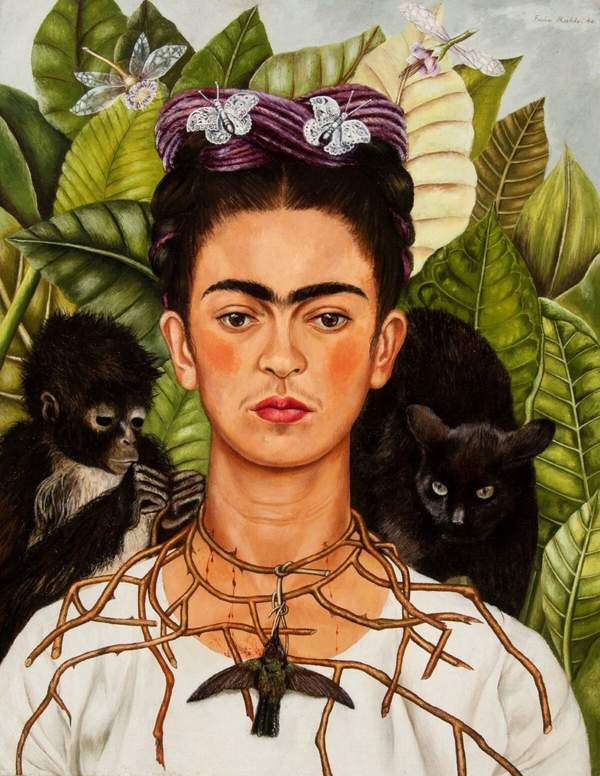
The material includes Tehuana costumes, jewellery, orthopaedic corsets and cosmetics — belongings that became accessible only after their rediscovery in 2004 at the Casa Azul in Mexico City. These are shown in dialogue with paintings from the Malba–Costantini collection. At the core are "Autorretrato con chango y loro" (1942), "Diego y yo" (1949), described by the museum as her last self-portrait before her death, and the lithograph "Sin título (El aborto)" (1932). A documentary group that belonged to the art critic and Kahlo's friend Raquel Tibol adds photographs, letters and other personal objects.
The curatorial framework treats Kahlo's clothing as deliberate rather than merely aesthetic. Her adoption of Tehuana dress, rooted in the matriarchal culture of Oaxaca, worked as a political statement and a means of building identity, while also letting her negotiate and at times conceal the physical effects of her medical conditions — turning dress into both armour and language. Photographs, audiovisual material and selected objects place her within wider cultural and historical contexts, from Mexican heritage to global artistic networks.
Kahlo was born in Mexico in 1907 and grew up during the Mexican Revolution. She began painting in 1925 while recovering from a serious accident that left her with permanent disabilities, and at twenty-two she married the muralist Diego Rivera. She held her first solo exhibition in New York in 1938 and took part in her first European exhibition, in Paris, the following year.
"Viva Frida" forms part of Malba's 25th-anniversary programme, which runs from 18 to 21 September 2026. The international seminar "Latinoamérica en escena" takes place on Friday 18 September and includes a panel on Viva Frida with Circe Henestrosa, Gannit Ankori, Perla Labarthe and Jessica Serrano, introduced by Elina Costantini. Three new sections of "Latinoamérica en expansión" are inaugurated alongside the Kahlo show on 19 September, admission to the museum is free from 19 to 21 September, and Malba Educación runs stations on 19 September on hair braiding, community embroidery, self-portraits, Mexican banderines and stamps. Guided tours of the exhibition are offered on Wednesdays, Fridays and Saturdays at 17.00.