 Image: Kurimanzutto, Mexico City
Ana Segovia will present a new body of paintings, moving images and sound in ‘The Office of Inter-American Affairs Presents’, the artist’s first solo exhibition at kurimanzutto New York. The exhibition will examine how visual culture helps construct national and gender identities through the enduring Southern Cone figure of the gaucho. It will run from September 10 through October 17, 2026, at the gallery’s 516 West 20th Street location.
The exhibition brings Segovia’s new work into dialogue with archival film, sound and video. Its central historical reference is the Office of the Coordinator of Inter-American Affairs (OCIAA), established by the United States government in 1940 under President Franklin D. Roosevelt’s Good Neighbor Policy. The agency used cultural exchange—including exhibitions, radio broadcasts, publications and films—to strengthen relations with Latin America while consolidating US influence across the continent.
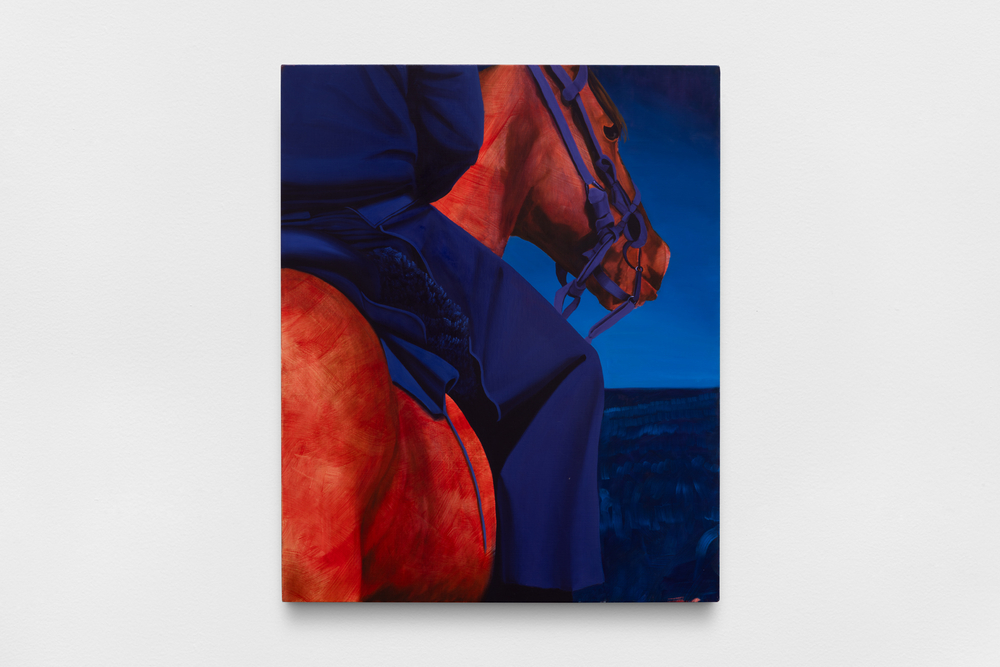
Segovia’s paintings isolate details associated with the gaucho, including hats, ponchos, belts, wide-legged trousers, leather canteens, sheep, cattle and hands holding mate. These elements appear as enlarged fragments rather than as parts of a complete figure. Cropped in the manner of cinematic close-ups, the paintings emphasize artifice and the visual conventions that have helped sustain the gaucho as a cultural archetype across generations.
Two monitors will screen archival films produced by the OCIAA depicting parts of the Southern Cone, including Uruguay and Chile. An accompanying audio recording from the OCIAA archives will extend the historical material through the gallery. The exhibition’s arrangement of painting, film and sound is structured through shifting sequences of encounters that recall cinematic montage. Segovia transforms imagery from the documentaries into paintings, focusing on how cinema produces and circulates cultural archetypes.
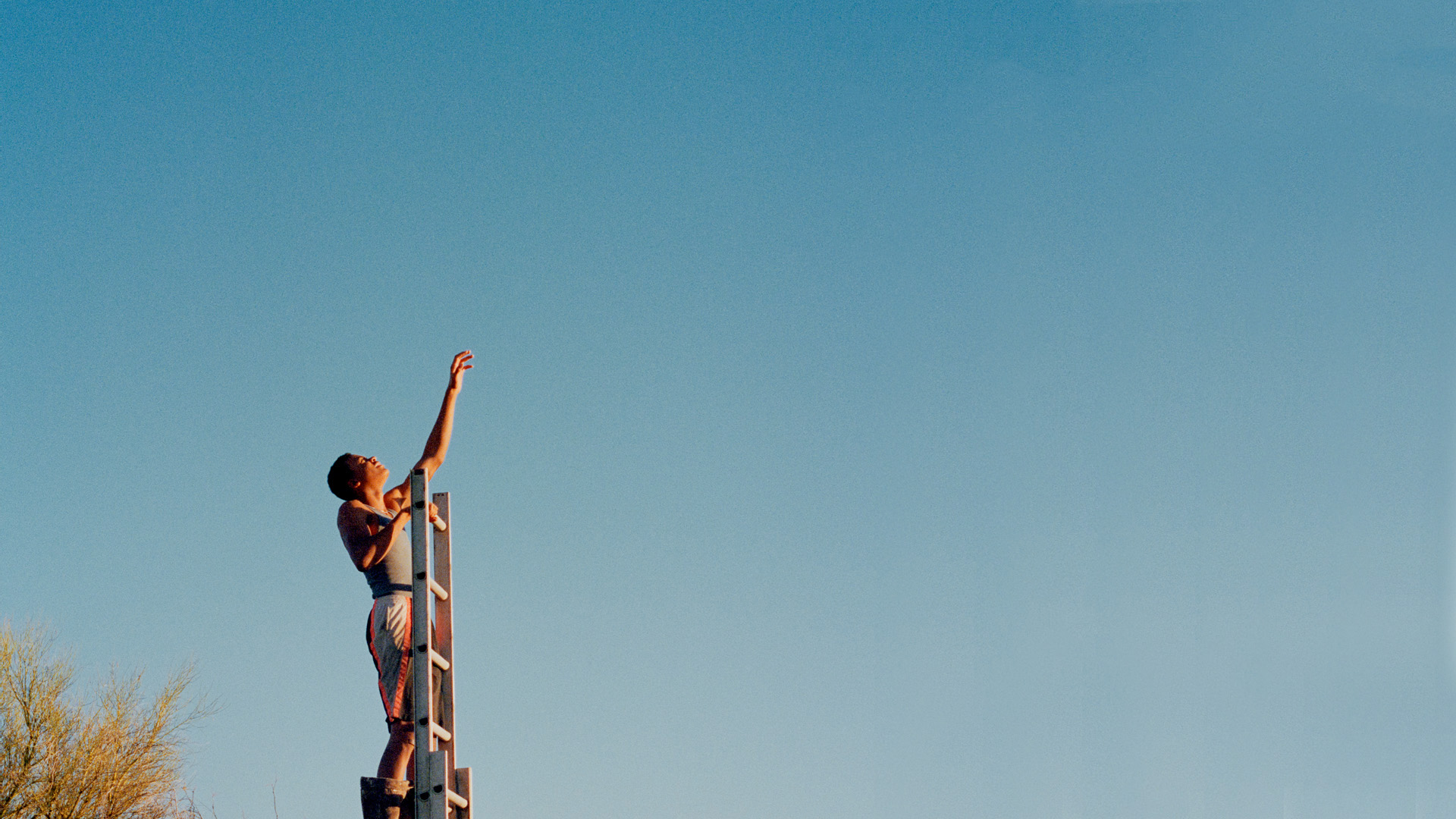
The gaucho is presented in relation to the American cowboy, another figure associated with the rural hero, the solitary horseman and idealized masculinity. Segovia’s examination continues in ‘Gambola (Uruguay)’, a large-scale video documenting a performance made in collaboration with Uruguayan performers. The camera restricts its view to dancers’ legs and feet in gaucho-style trousers, leaving the rest of the body outside the frame. A group of ten charcoal drawings on paper functions as storyboards for the video and exposes part of its staging and construction.
The exhibition also includes two vertical paintings of mountainous landscapes in Chilean Patagonia, rendered in pink, green, blue and orange rather than through strict realism. Their palette draws on Uruguayan planismo and the work of Petrona Viera, an important source of inspiration for Segovia. Alongside the exhibition, kurimanzutto New York will host a live conversation between Segovia and writer, critic and professor Julia Bryan-Wilson on September 12 at 4 p.m. The discussion will address visual culture, hegemonic representations, queer theory and the construction of gender, embodiment and desire.