 Image: Friart, Fribourg
Mira M. Yang will present ‘Ensemble’, a two-chapter exhibition examining cultural transfer, memory and belonging through sound, film, movement notation and animated sculpture. The exhibition opens at Kunsthalle Friart Fribourg in Switzerland on September 12, 2026, before moving to the Fondation Pernod Ricard in Paris from November 24, 2026, to February 6, 2027. Kathrin Bentele is the curator, and the project is being produced jointly by the two institutions.
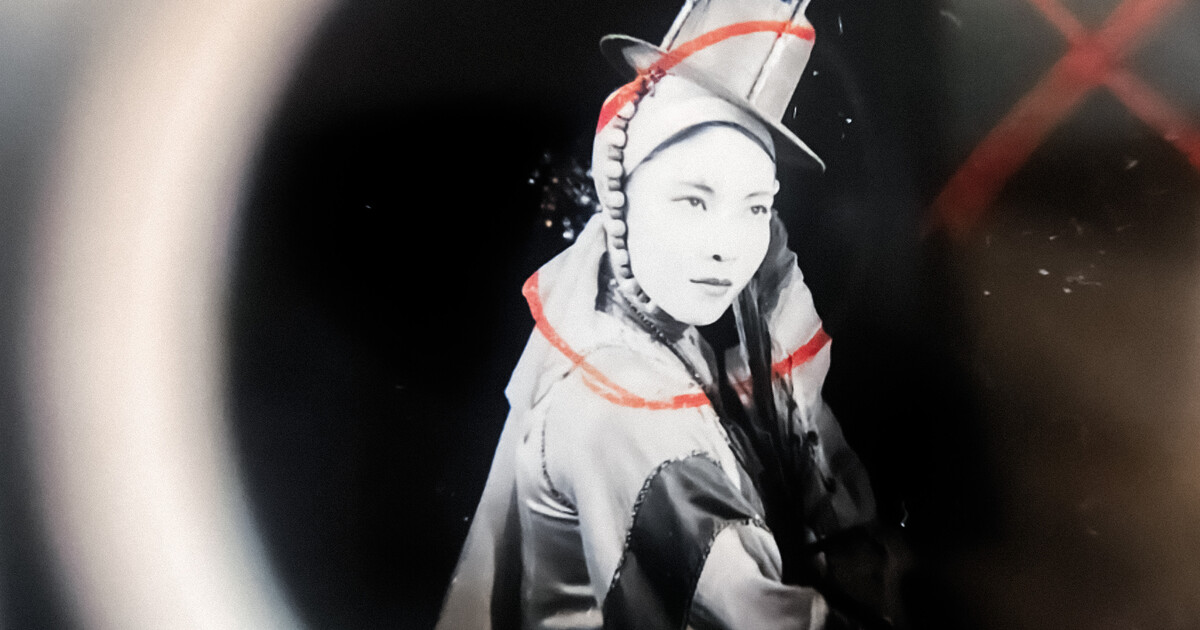
The exhibition’s central subject is the artistic legacy of Choi Seung-Hee (1911–1969), a dancer and singer who was the first performer from colonial Korea to appear on stages in Europe, according to the institutions. Choi’s choreographies brought together Korean, Chinese, Indian and European modernist influences. Her work, however, survives through incomplete documentation and has been shaped by the historical conditions of colonialism, imperialism and socialism.
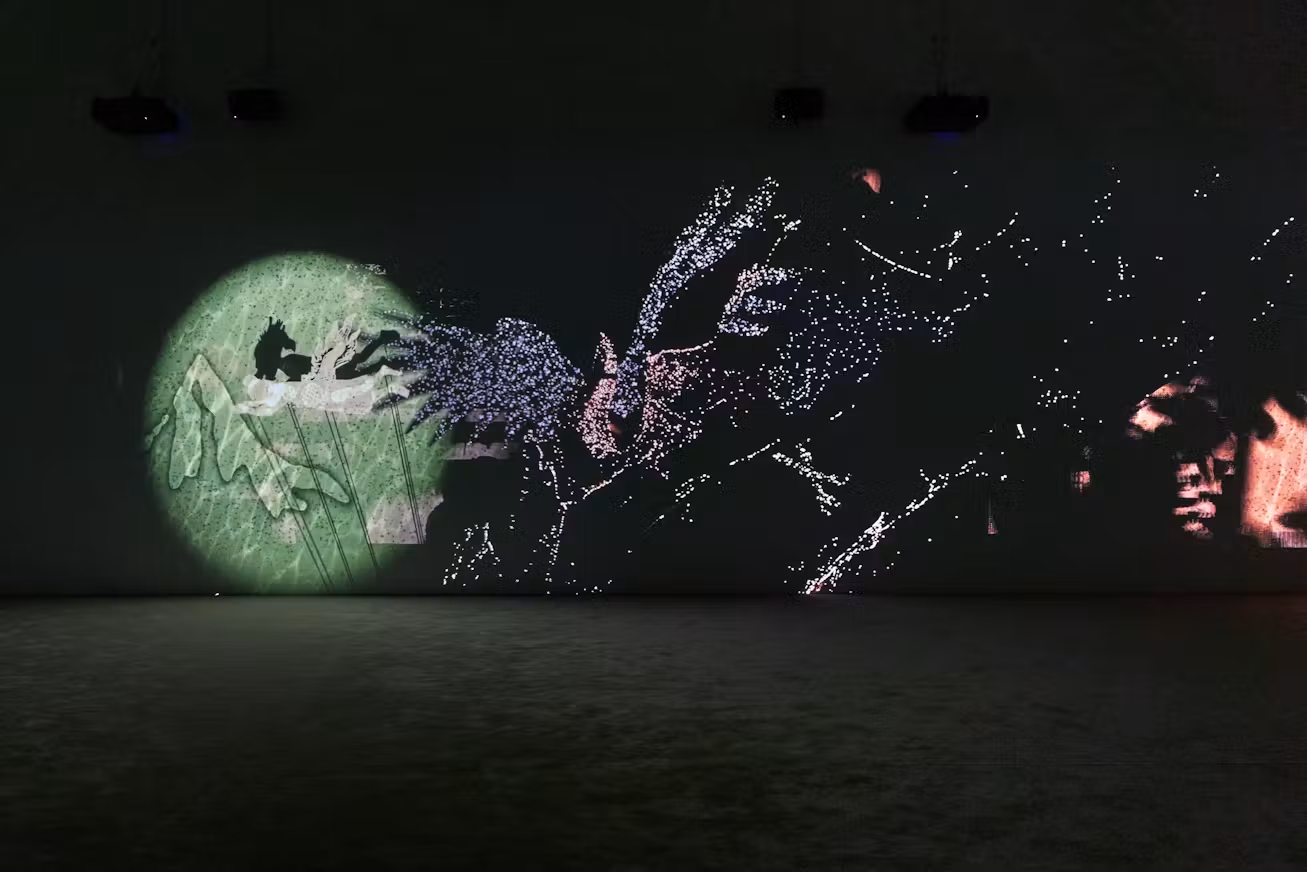
Rather than presenting a definitive reconstruction, Yang approaches this fragmentary history through translation and reinvention. The exhibition will include newly developed sound assemblages and a film, shown in different configurations at the two venues. These works consider how cultural forms change as they move between places and periods, and how gaps in an archive can become part of an artistic process rather than simply obstacles to historical recovery.
The film ‘Transmissions’ offers a fictionalized translation and restaging of Choi’s choreographies. It is based on partial documentation, with missing or unknown sections replaced by new interpretations. The film was made in Parisian locations associated with Choi’s performances in the 1930s, including the Jardin d’agronomie tropicale René-Dumont, the Musée Guimet and the Théâtre national de Chaillot, as well as a karaoke restaurant in the city’s 13th arrondissement. Choi reappears through the body of dancer Paula Pau, while the camera alternately reveals, conceals and renders the body legible.
A large-scale sound installation extends the exhibition’s interest in notation and control. Since Choi’s voice and the music accompanying her performances were not sufficiently documented, Yang uses Labanotation—the movement-recording system developed by Rudolf von Laban—to translate elements of her choreography into machine-coded signals. Animated sculptures made from sound- and noise-producing components perform those signals as a fragmented body of breathing, humming, vibrating and droning sound.
Historical marionettes, lent by the Swiss Puppet Museum in Fribourg and of different provenances, will be displayed with their props in vitrines and cases. Their stillness is set against the continuing movement of the machines, which perform their scores until instructed to stop. The contrast frames recurring questions in the exhibition about agency, external control and the relationship between written instructions and embodied movement.
At Friart, the programme includes public tours, a September 26 conversation between Bice Curiger and Kathrin Bentele, and an October 10 artist talk with Yang and curator and lecturer Filipa Ramos. A concert by South Korean artist and sound producer bela is scheduled for November 7. Friart lists its chapter from September 12 through November 13, 2026; the Paris chapter will run at the Fondation Pernod Ricard from November 24, 2026, through February 6, 2027, where the exhibition is described as Yang’s first institutional solo presentation in France.