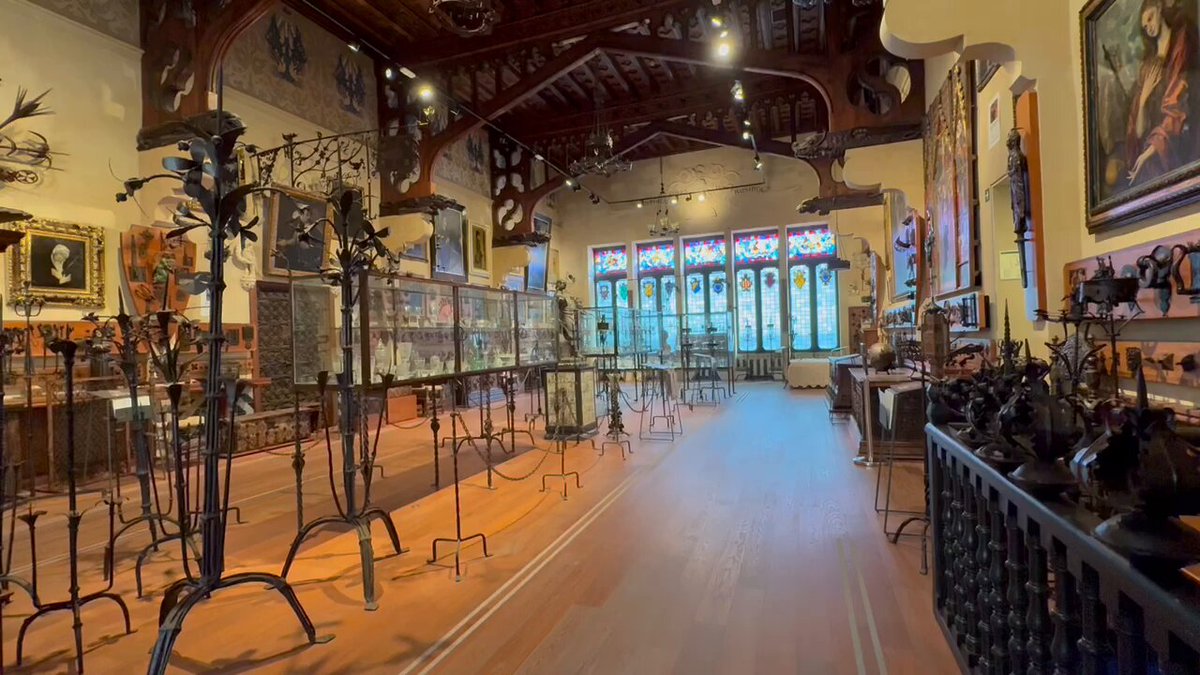
 Image: Cau Ferrat Museum, Sitges
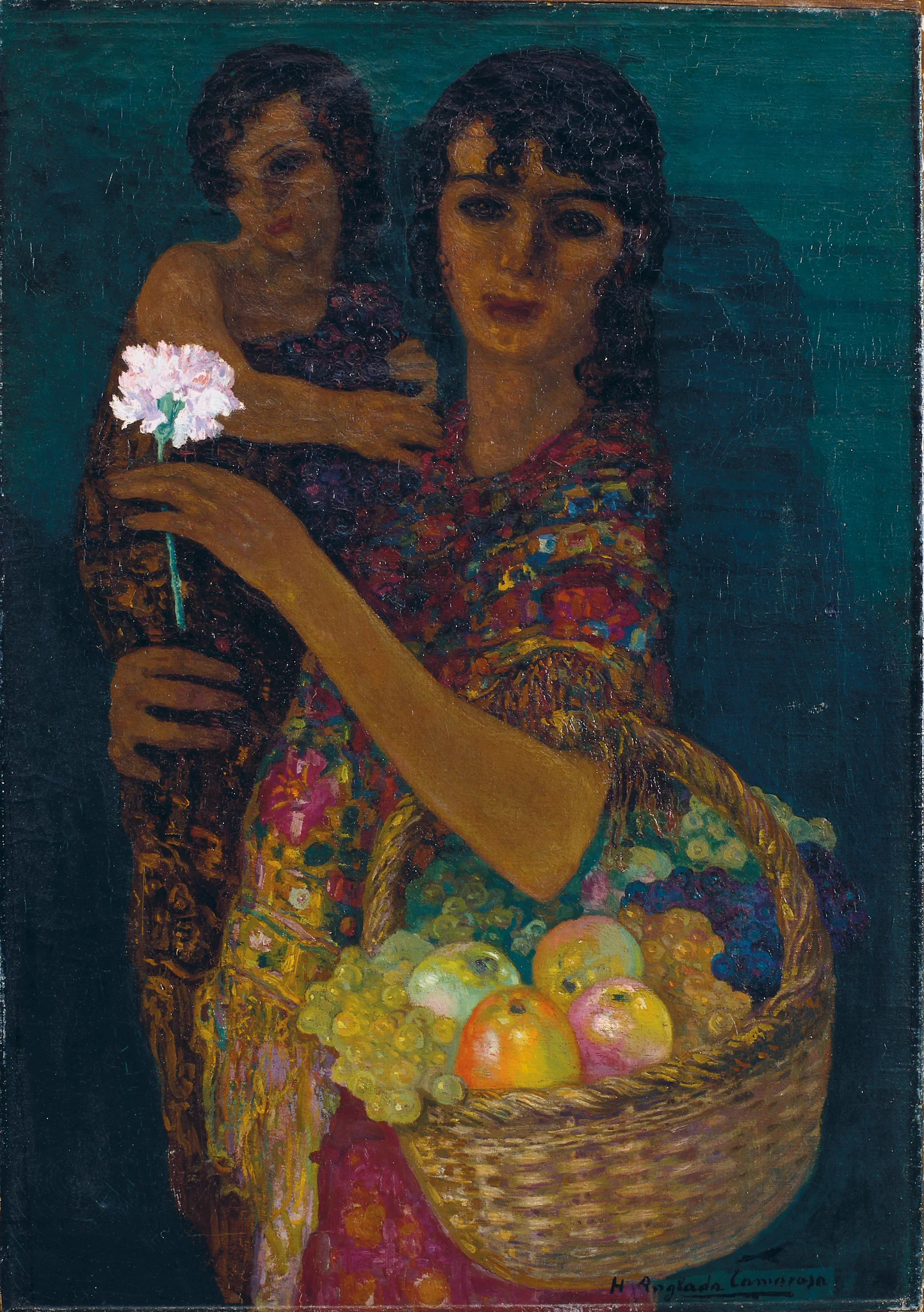
The Cau Ferrat Museum in Sitges is presenting an exhibition in the Gran Saló devoted to the wide and varied world of Santiago Rusiñol. According to the museum’s announcement, the display brings together Rusiñol’s paintings alongside works by other artists of the period and by El Greco, as well as religious sculpture and the museum’s collections of wrought iron and glass.
The project places Rusiñol within the broader cultural environment associated with the Cau Ferrat, a setting long linked to art, collecting and the artistic life of late 19th- and early 20th-century Catalonia. By gathering paintings, sculpture and decorative arts in one room, the museum is foregrounding the range of objects and influences that shaped the site’s historical identity.
Rusiñol is the central figure in the presentation, but the museum’s wording makes clear that the exhibition is not limited to his own work. The inclusion of works by other artists of the moment and by El Greco suggests an effort to situate his practice in relation to the artistic references and collections that formed part of the Cau Ferrat’s legacy.
The Gran Saló presentation also emphasizes the museum’s holdings in wrought iron and glass, two material strands closely associated with the house-museum’s historic character. Their presence alongside fine art and religious sculpture turns the exhibition into a view of the collection as a whole rather than a single-medium display.
No dates or additional programming were included in the museum’s post, and the announcement does not specify a separate opening or closing period. The notice instead focuses on the contents of the Gran Saló and the breadth of materials on view there, from Rusiñol’s paintings to decorative and devotional objects.
The museum’s post appears under the name Cau Ferrat Museum in Sitges, Spain, and presents the Gran Saló as the setting for this overview of Santiago Rusiñol’s heterogeneous artistic world.