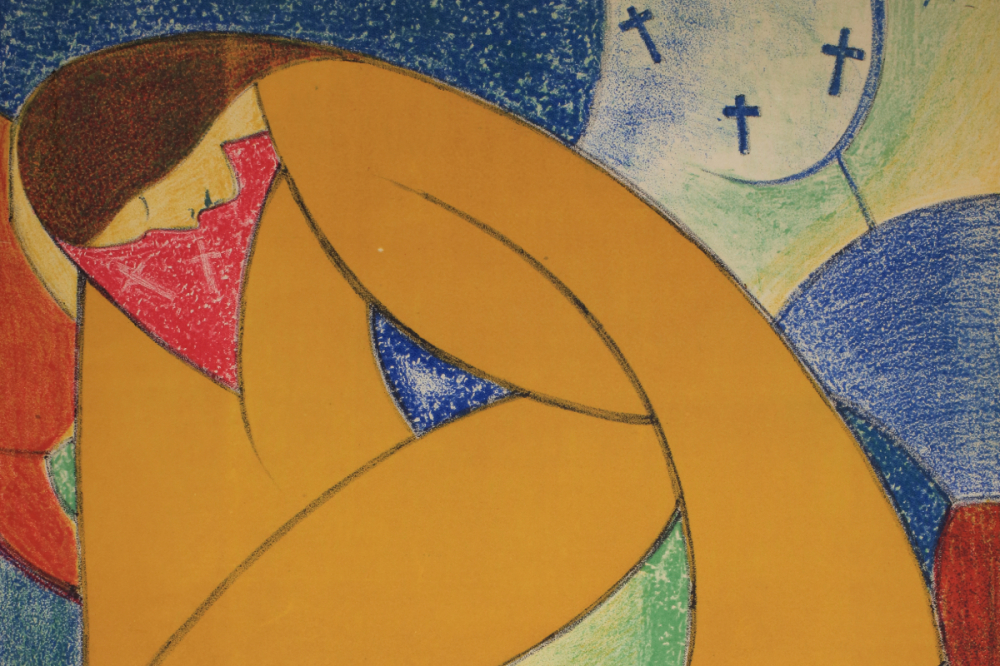
 Image: Museo Castello San Materno, Ascona
The Museo Castello San Materno in Ascona, Switzerland, will open ‘Charlotte Bara. Legami di famiglia tra Ascona, Willingen e Worpswede’ on 4 September 2026, bringing together more than 800 handwritten letters and postcards with paintings, drawings and graphic works connected to the dancer’s family and artistic circle. The exhibition, curated by Michela Zucconi-Poncini and Andrej Seuss, will remain on view from 5 September through 20 December 2026, according to the museum’s exhibition listing.
The project is based on correspondence preserved in the Fondo Charlotte Bara, covering the period from 1913 to 1937. The letters were exchanged by Selma Löhnberg, née Bachmann, and Emil Löhnberg—described by the museum as Bara’s aunt and uncle—their children Erhart and Marianne Löhnberg, and a wider group that included Charlotte Bara, Elvire Bachrach, and the artists Heinrich Vogeler and Henry Lempereur. The museum states that the material was discovered in 2011 during clearance work at Castello San Materno, in a chest hidden within the building.
The exhibition uses the correspondence to situate Ascona and the surrounding Locarno region during the early decades of the 20th century. Its stated focus is the network of emigrants who moved south of the Alps for different reasons, as well as the relationships of mutual assistance and the communities that formed there, including Fontana Martina and, in a broader sense, San Materno. Some of those figures settled in the region, while others later returned to Germany after spending extended periods in Ascona.
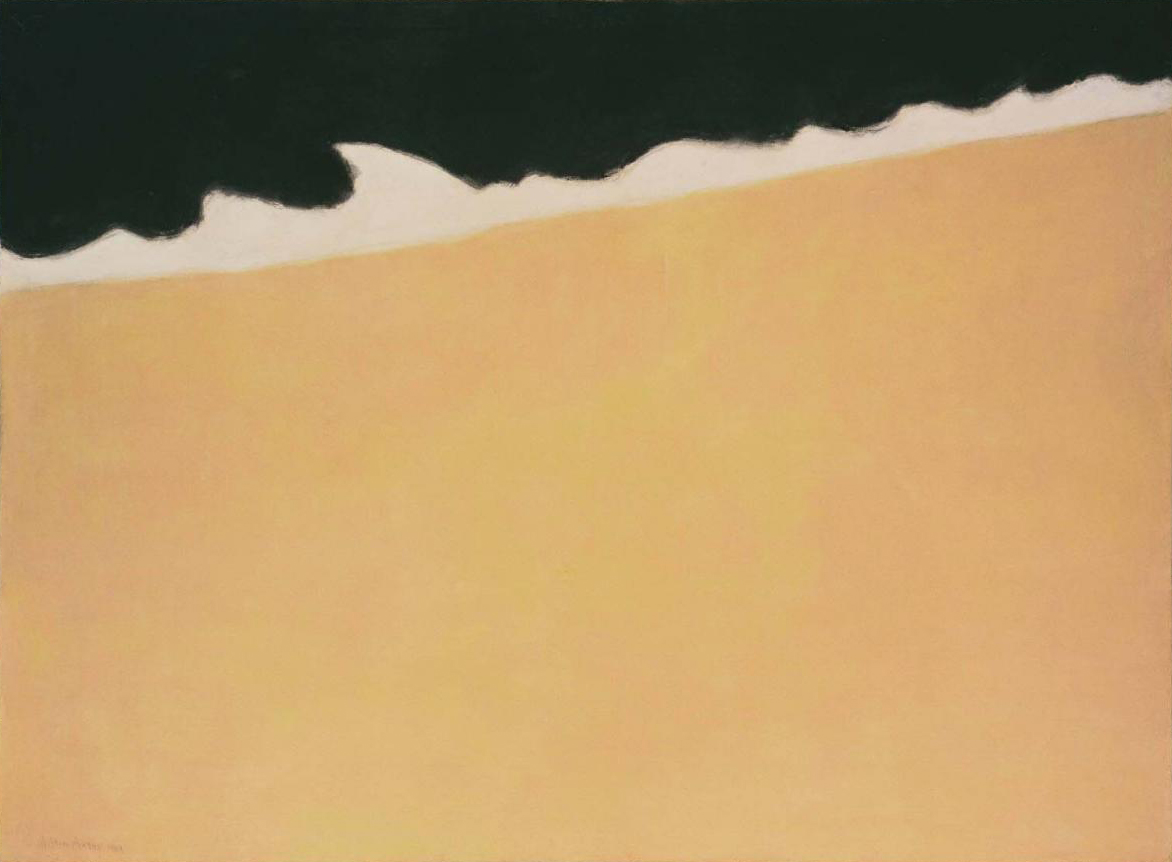
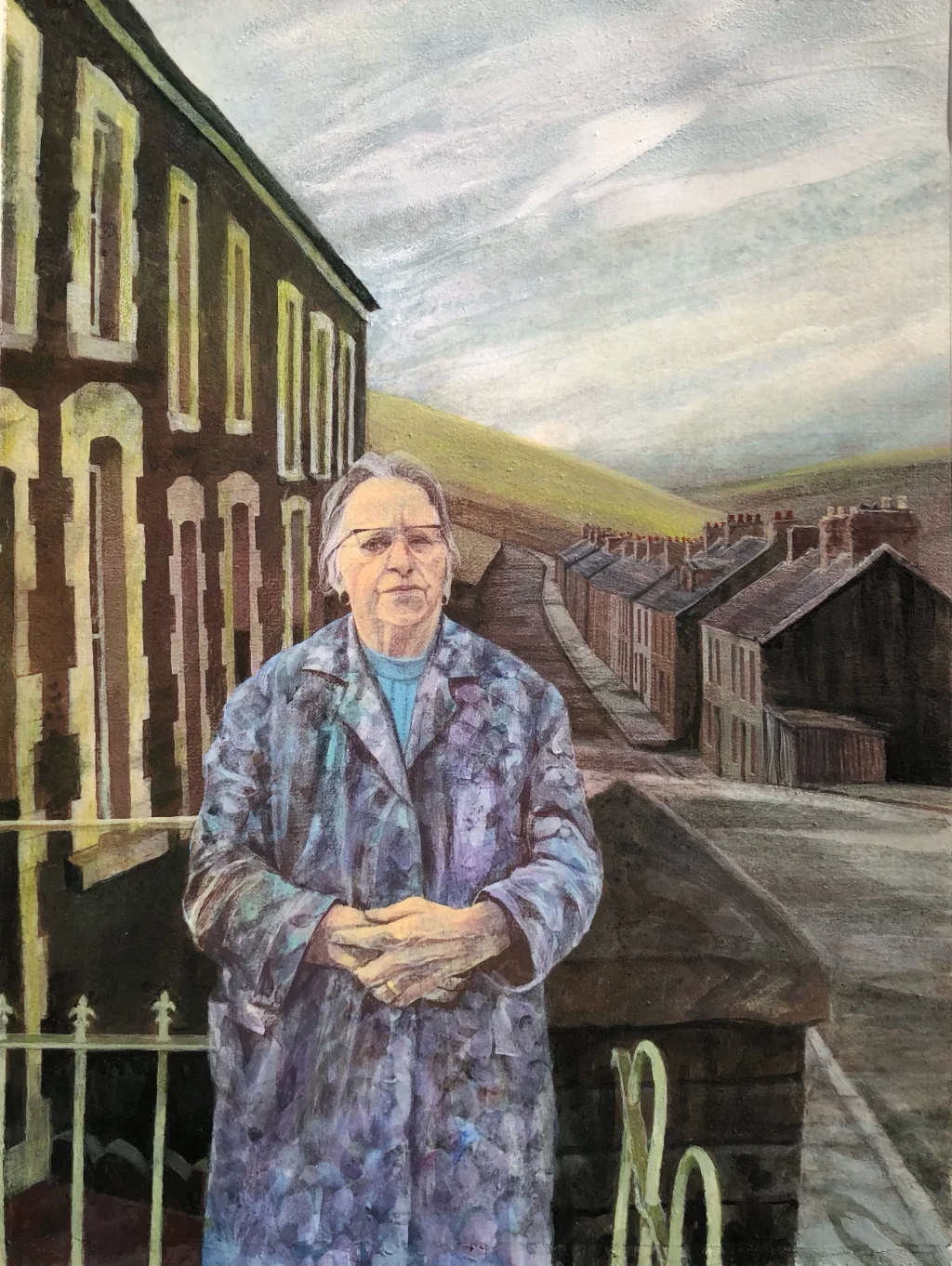
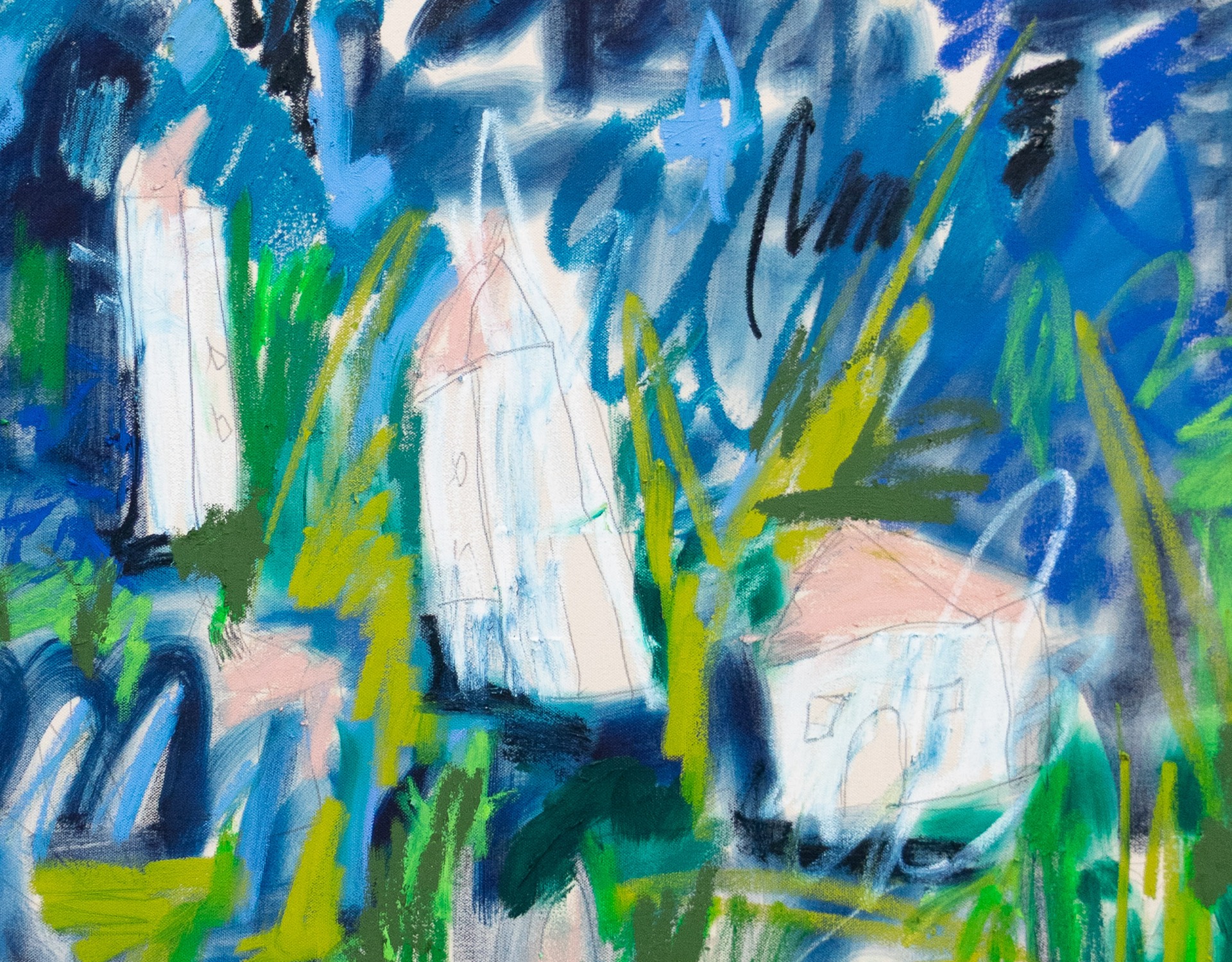
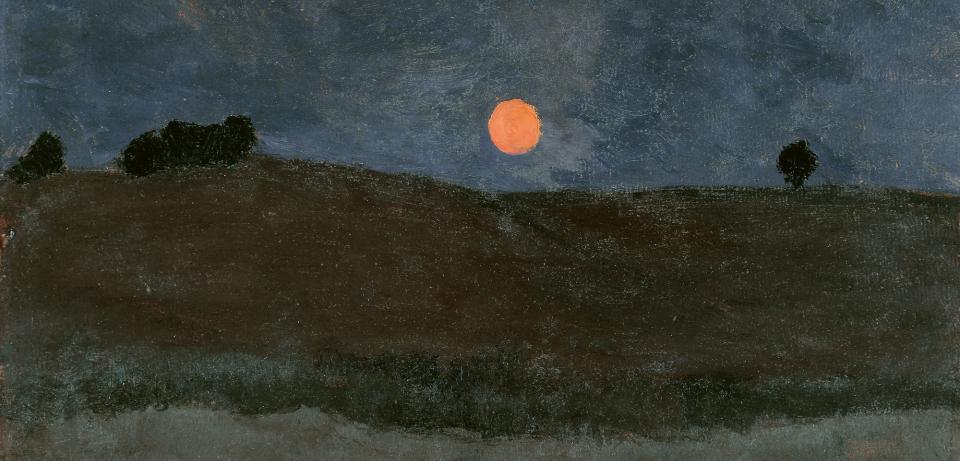
Alongside the documents, the presentation will include works by Carl Weidemeyer, Heinrich Vogeler, Paula Modersohn-Becker, Christian Rohlfs and Henry Lempereur, among others. The museum describes the arrangement as a dialogue between history and art, with the letters placed in relation to works through which the artists expressed personal, political and social ideas. The materials are intended to show the role of art in the daily lives of the people linked by the correspondence.
The exhibition also draws on the museum’s archival material relating to Charlotte Bara, who was born Charlotte Bachrach in Brussels in 1901 and adopted Bara as her stage name. According to the Fondo Charlotte Bara entry, she began dancing at the age of six, later studied in Lausanne with Alexander Sacharoff, and encountered Raden Mas Jodjana and Uday Shankar, from whom she learned forms of oriental and Indian dance. A 1918 stay in Worpswede brought her into contact with Carl Weidemeyer and Heinrich Vogeler.
Bara’s family moved permanently to Ascona in the early 1920s, and she organized dance, music and literary events at San Materno. The museum’s records state that she worked with Weidemeyer on plans for a dance school or ‘school for Ausdruckgestalt’ beside the residence. Bara lived in Ascona until her death in 1986; her last dance there took place in spring 1958. The Fondo Charlotte Bara, donated by her nieces Eliane and Nelly Bachrach and the housekeeper Marina di Maggio, is held by the Museo Comunale d’Arte Moderna of Ascona and includes personal objects, documents, photographs, drawings and sketches.
An accompanying bilingual Italian-German publication, ‘Una valigia piena di storie. Charlotte Bara e la sua famiglia/Ein Koffer voller Geschichten. Charlotte Bara und ihre Familie’, is being prepared by Armando Dadò Editore. The book lists Andrej Seuss, Marino Viganò and Michela Zucconi-Poncini as authors and comprises 400 illustrated pages. The inauguration is scheduled for Friday, 4 September, at 6:15 p.m. at Museo Castello San Materno, Via Losone 10, Ascona.