 Image: Tokyo Photographic Art Museum
Tokyo Photographic Art Museum has highlighted Mei Ma’s 1975 work 'At Santa Monica 3', presenting the film as a focused example of the artist’s moving-image practice. The museum’s post identifies the work as an original 16mm black-and-white sound film running 15 minutes and 30 seconds, situating it within the museum’s broader attention to photographic and film-based art.
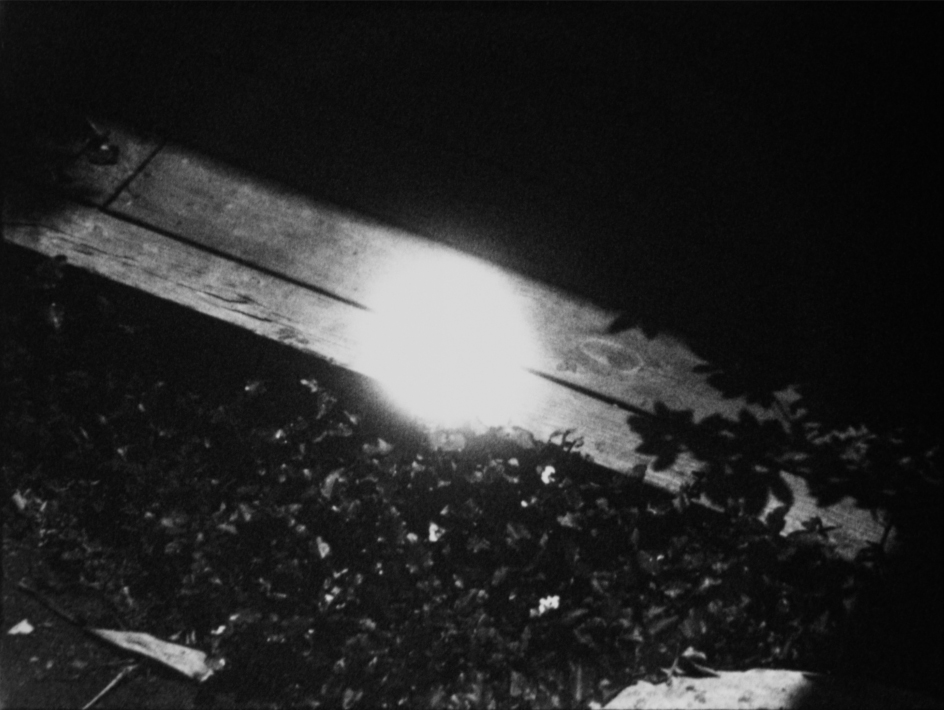
According to the museum, 'At Santa Monica 3' was made using high-contrast film and records the house in Santa Monica where Ma lived for several years, along with the surrounding landscape. The work is described as drawing on the shifting movement of light and shadow, reflections on the water’s surface, and flashes of illumination. Those elements give the film a lyrical quality while also marking it as experimental in approach.
The museum’s description presents the work less as a conventional narrative than as an observation of place and atmosphere. By focusing on a domestic setting and its nearby environment, Ma turns ordinary surroundings into the subject of sustained visual attention. The interplay of brightness, shadow and reflection appears central to the work’s structure, suggesting a film built from perception rather than plot.
'At Santa Monica 3' also reflects the museum’s interest in how photography-related media cross into film. As a 16mm work with sound, the piece sits at the intersection of still-image traditions and time-based experimentation, a format that has long been part of modern and contemporary art collections and exhibitions.
Tokyo Photographic Art Museum’s short highlight does not announce a separate exhibition or event date for the work, but it offers a direct summary of the film’s materials, duration and visual character. The post emphasizes the artist’s use of high-contrast imagery and the ways the film captures changing light across a lived-in landscape.
The museum identifies the artist in Japanese as 出光真子 and the work as 'At Santa Monica 3' (1975), underscoring both the work’s place in the artist’s output and its continued relevance within the museum’s collection-oriented presentation.