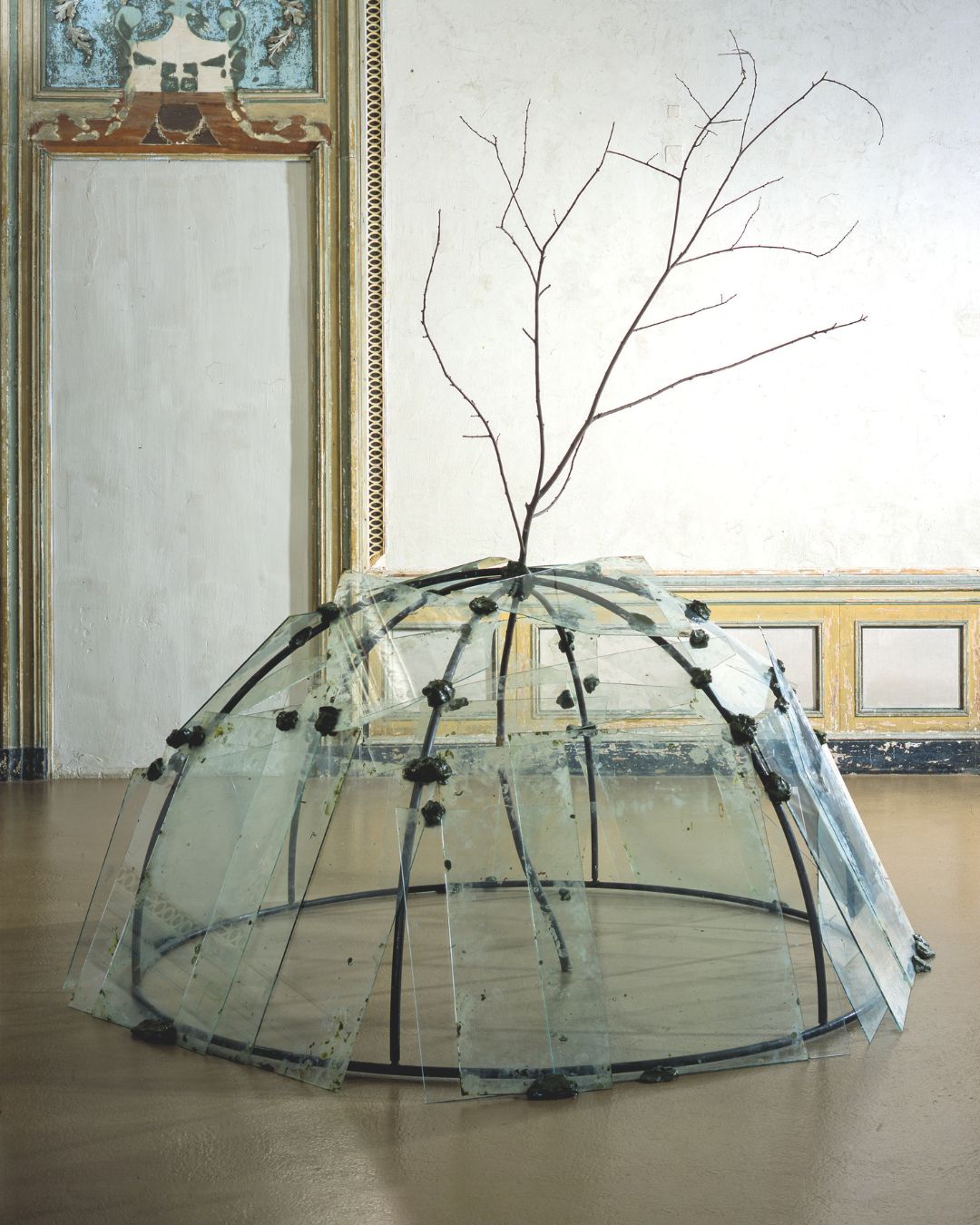
 Image: Museo d'arte contemporanea del castello di Rivoli, Toronto
The Castello di Rivoli Museo d’Arte Contemporanea has announced a major reworking of its collection displays, bringing new commissions, acquisitions and themed rooms into a season of exhibitions and educational initiatives. The museum says the autumn program is built around the idea that a public collection is not a static archive but an active field of research, conservation and renewal. Its new arrangement centers on the historical nucleus of Arte Povera, while also introducing projects devoted to Giulio Paolini, Remo Salvadori and the third edition of 'Inserzioni'.
The museum’s statement frames the changes as part of a broader responsibility to keep the collection “alive” through new productions, reinstallations and acquisitions. In the published text, president Francesca Lavazza describes building a public collection as more than safeguarding heritage, while director Francesco Manacorda presents commissioning new works and preserving holdings as two sides of the same public task. The museum links the new displays to its role as an institution committed to research, access and cultural dialogue.
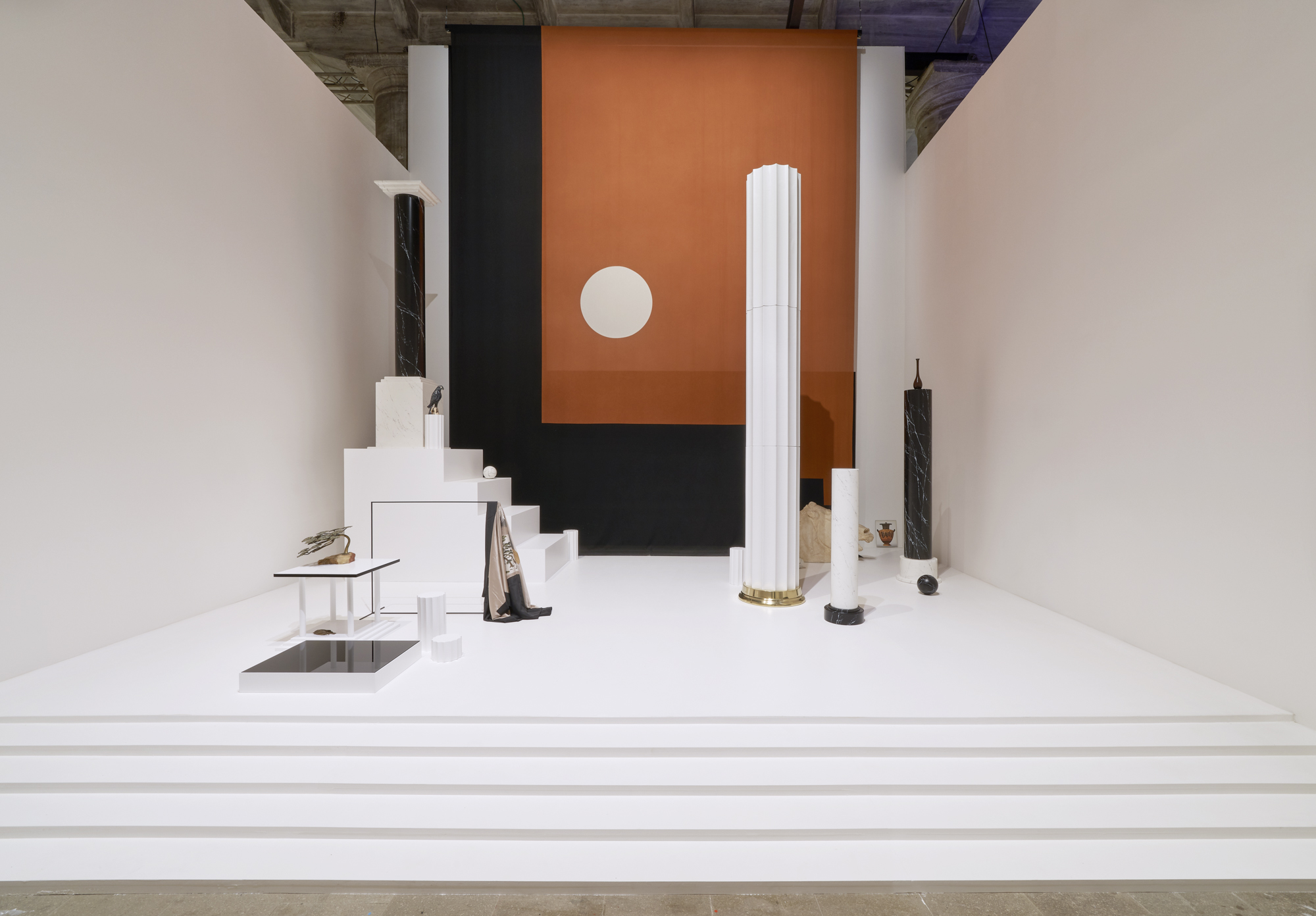
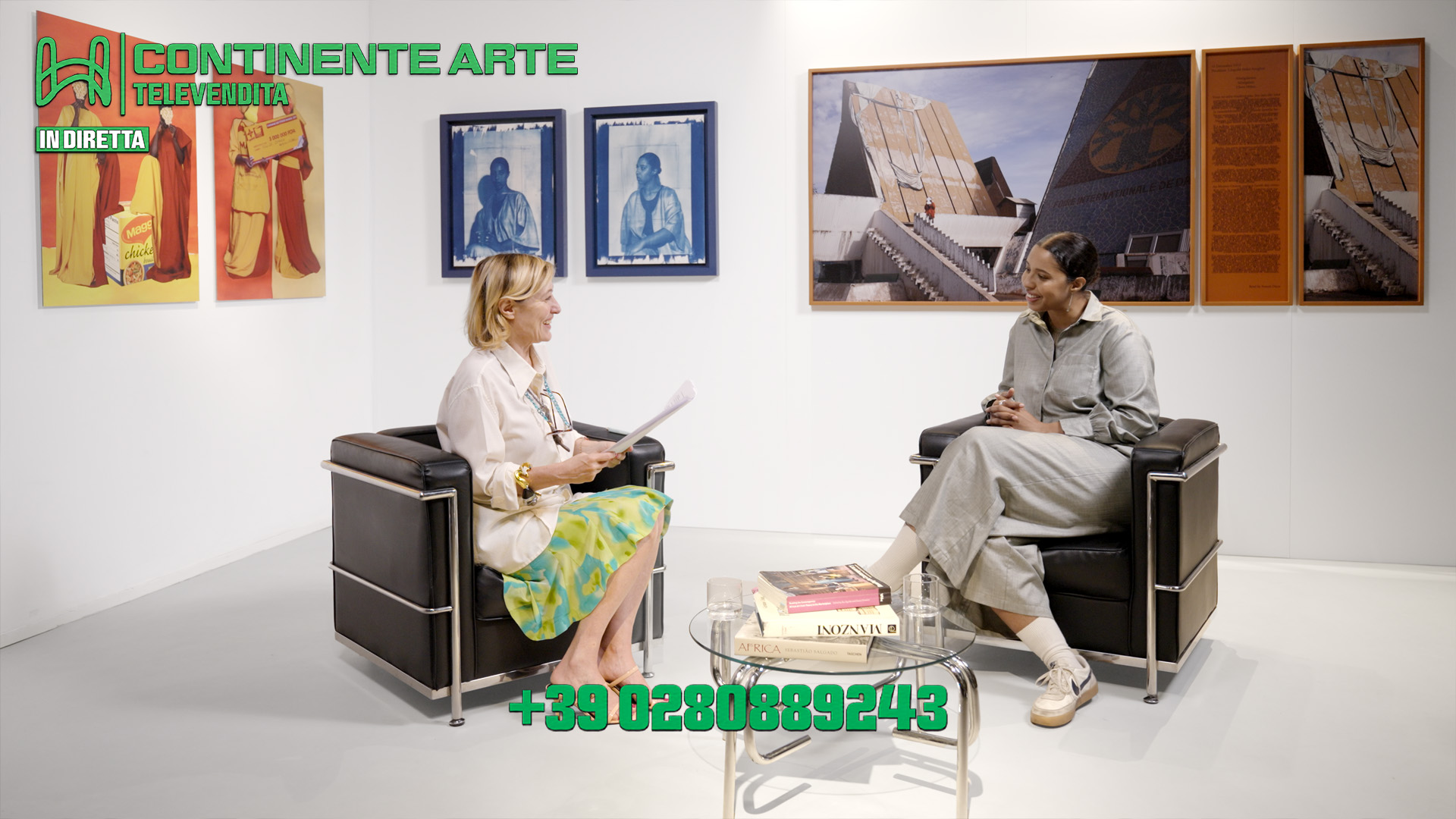
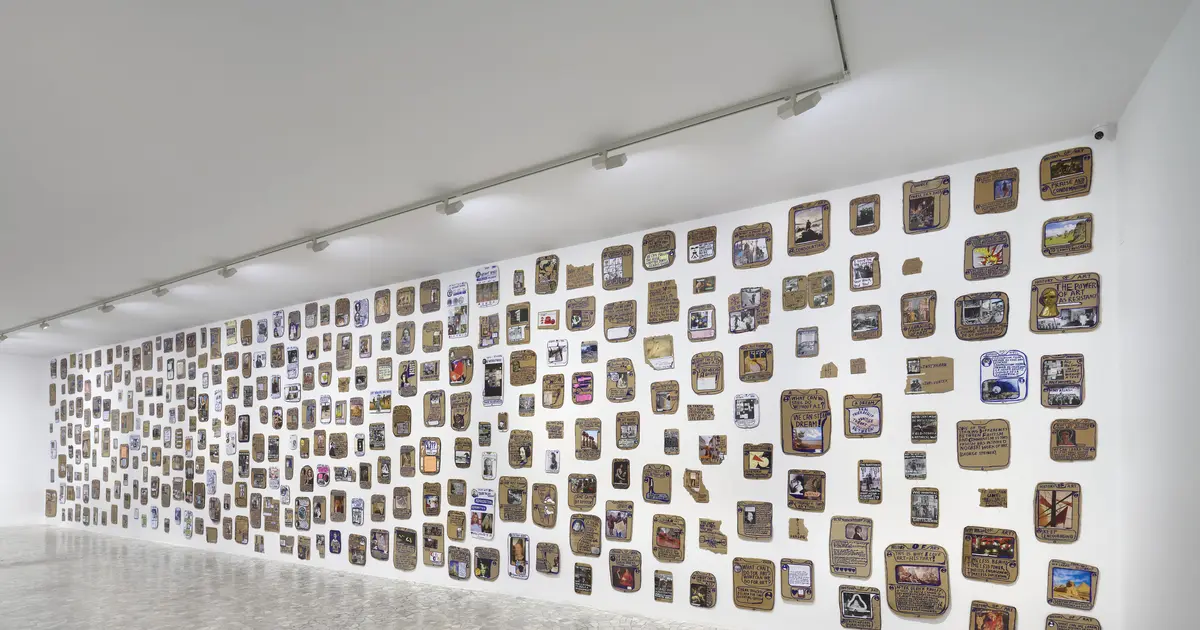
At the center of the new season is 'Inserzioni', a project first launched by the museum as a platform for contemporary commissions. The third edition opens on the first and second floors of the Castello building from 25 September, with new works by Haris Epaminonda, Christelle Oyiri and Sung Tieu. According to the museum, the commissions respond to questions of migration, the relationship between architecture and identity, memory as an active material of the present, and the invisible structures that shape globalized society. The museum describes the project as a laboratory in which the collection and the building are periodically reconfigured.
The new commissions are installed in dialogue with the castle’s architecture and its historic interiors. Epaminonda’s work is presented as a connection between the ornate Juvarra room and Casa Mollino, while Sung Tieu’s site-specific installation examines the forces that shape collective memory and belonging through architectural intervention. Oyiri’s contribution takes Memphis Pyramid as a starting point, tracing the shifting fate of symbols across cinema, sculpture and installation, and reflecting on the transformation of sacred architecture into commercial spectacle.
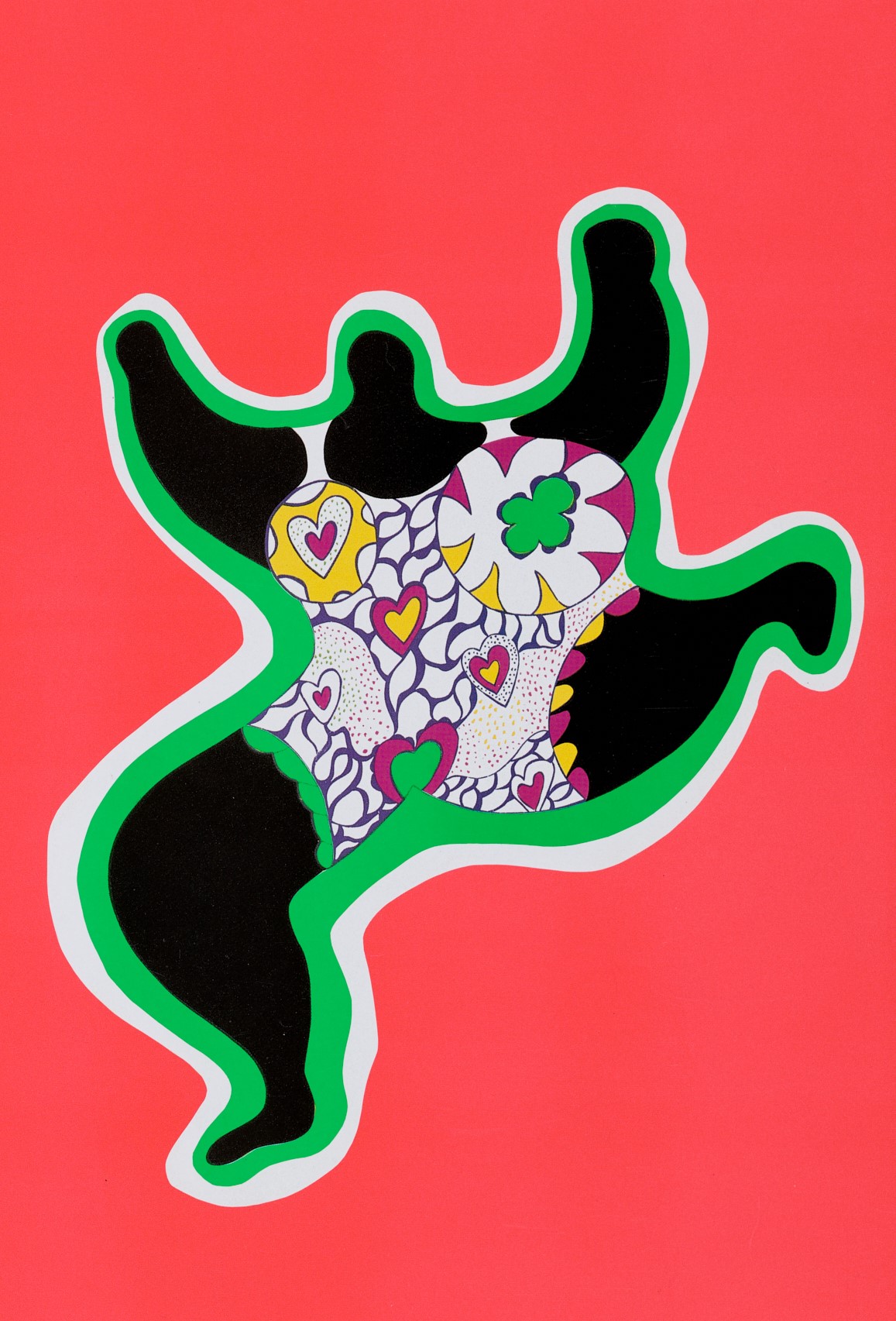
From July 2026, the museum will also introduce a renewed presentation of Arte Povera across the first and second floors. The Castello says the movement remains foundational to its identity, both because the museum holds one of the most important collections devoted to the group and because the international significance of Arte Povera helped drive the institution’s founding in 1984. The new layout gives each artist a separate space, with works by Alighiero Boetti, Piero Gilardi, Michelangelo Pistoletto, Giovanni Anselmo, Pier Paolo Calzolari, Jannis Kounellis, Mario Merz, Giuseppe Penone, Gilberto Zorio and a future room for Emilio Prini from October 2026. A room dedicated to Carol Rama is also planned from October 2026.
Two further projects extend the collection rehang. 'Giulio Paolini: In due atti', in memory of collector Gino Viliani, begins with Act I in July 2026 in Sala 22 and continues with Act II from October 2026, when works from Viliani’s promised bequest will enter the installation. In the third-floor education project 'Il Castello Incantato', from September 2026, the museum will present works by John Baldessari, William Kentridge, Otobong Nkanga and Paola Pivi, alongside special projects by Peter Friedl and Rivane Neuenschwander. A separate room will be dedicated to 'Continuo infinito presente', a homage to the late Remo Salvadori, developed with Archivio Remo Salvadori and including 'La stanza delle tazze' from 1985-86 and loans from the artist’s archive.