 Image: Porzellanmuseum im Augarten, Vienna
Vienna’s Porzellanmuseum im Augarten is highlighting 300 years of porcelain craftsmanship, drawing attention to the long history behind one of the city’s best-known porcelain names. The museum’s current presentation points visitors toward guided tours and workshops, positioning the institution as both a heritage site and an active place of learning and making.
The material published by Augarten presents the museum as part of a broader Viennese porcelain tradition rooted in the city’s cultural history. The company’s website describes Augarten as an artisan business with a rich heritage, and the museum section invites visitors to experience the “white gold” of Vienna through its museum and guided workshop tours. The institution also emphasizes timeless design, collections, and handcraft as central to its identity.
Augarten’s own account connects that history to Vienna’s artistic past. The website states that the Viennese Augarten, described as the oldest Baroque park in the heart of Vienna, has been a hub of fine arts since its inception. It notes that Joseph II dedicated the park as a recreational space for all, and says the Baroque palace hosted famous morning concerts in the 18th century featuring W.A. Mozart. The same page says Beethoven premiered his ‘Kreutzer Sonata’ there in 1803 before a live audience.
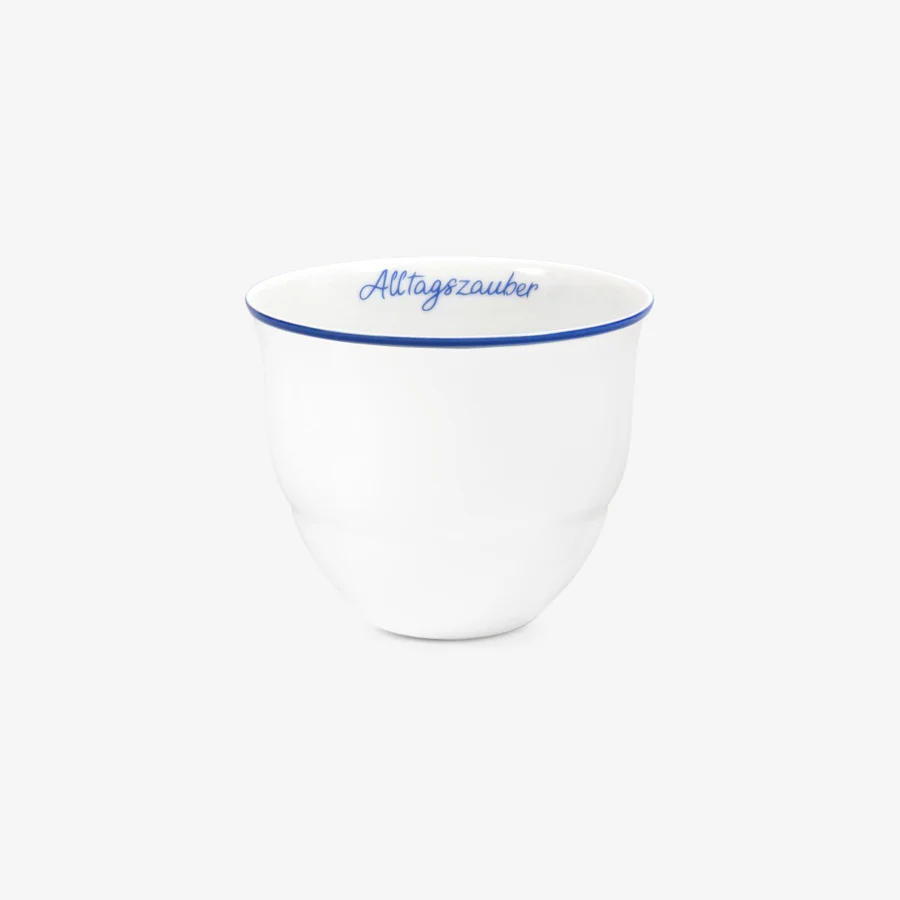
That historical framing sits alongside the company’s contemporary retail and visitor offer. On the website, Augarten presents product categories including tableware, interior and decoration, figures, gifting, and collections, while also directing visitors to museum, guided tours, and workshops and events. The site further says visitors can personalize pieces, and it presents porcelain as a gift form tied to Viennese craftsmanship and long tradition.
The museum-oriented message is reinforced by the company’s invitation to visit “in the heart of Vienna” and immerse oneself in 300 years of porcelain history. Augarten’s online material makes clear that the experience is not limited to display alone: it includes tours and workshops, suggesting a public-facing program that links the manufactory’s heritage with hands-on engagement.
The announcement arrives as Augarten continues to frame its identity around both tradition and current production. The website highlights “love and devotion in form and color,” describing its designs as combining modern elegance with traditional craftsmanship. It also shows a range of named collections and products, indicating that the museum’s historical narrative sits within an ongoing commercial and artisanal practice rather than as a separate historical archive.
The publicly available source material does not list a special anniversary exhibition schedule, but it does clearly state the 300-year tradition being highlighted and the visitor activities available through the museum. Augarten’s online information directs visitors to the museum, guided tours, and workshops and events in Vienna.