
Barns-Graham at Tate St Ives, Förg in Nuremberg, Dalí in Madrid
Three museum stories bring different kinds of attention into focus: a long-overdue scale of presentation for Wilhelmina Barns-Graham, a tightly framed Günther Förg display, and a Salvador Dalí object whose function remains part of its meaning.
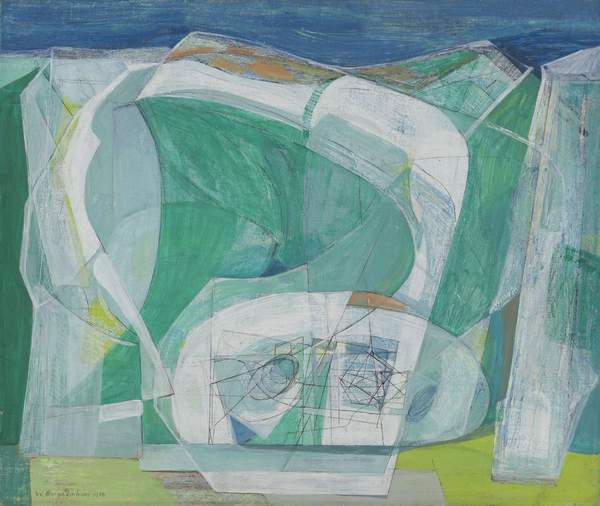 Image: Tate Modern, London
Wilhelmina Barns-Graham Exhibition to Run from 24 October 2026 to 3 May 2027
Tate St Ives will present more than 170 paintings, drawings and rarely seen archival materials in an exhibition tracing Wilhelmina Barns-Graham’s eight-decade career. Running from 24 October 2026 to 3 May 2027, the survey moves from early landscapes and studio interiors to the bold colour and rhythmic forms of her later work. Its centrepiece is the largest-ever museum presentation of Barns-Graham’s glacier works, developed after her 1949 visit to Switzerland’s Grindelwald Glacier. The exhibition concludes with the vibrant Scorpio paintings of her final decades.
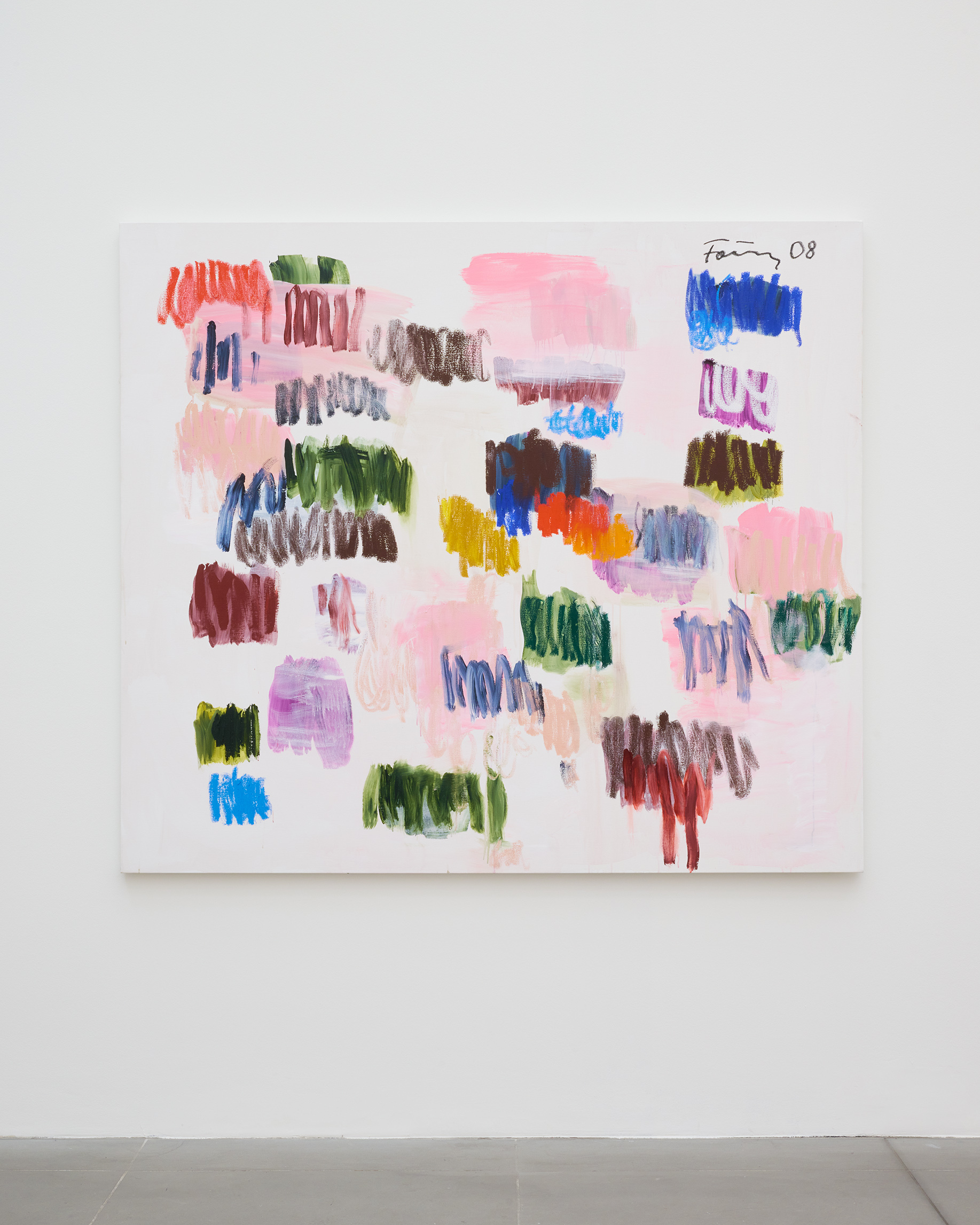 Image: Neues Museum Nürnberg, Nuremberg
Günther Förg: Im Flow
Neues Museum Nürnberg’s presentation Günther Förg: Im Flow brings together eight paintings and a large-format photograph of the Bauhaus building in Dessau. The paintings, drawn from a private collection, date from 1987 to 2008 and include Ohne Titel (Großformat Rot Blau), made in 1999. Across three rooms, the display focuses on Förg’s loosely placed colour patches and his floating or compressed grid and window forms. The presentation runs through 12 September 2027, although its rooms will close for urgent technical measures from 26 October to 26 November 2026.
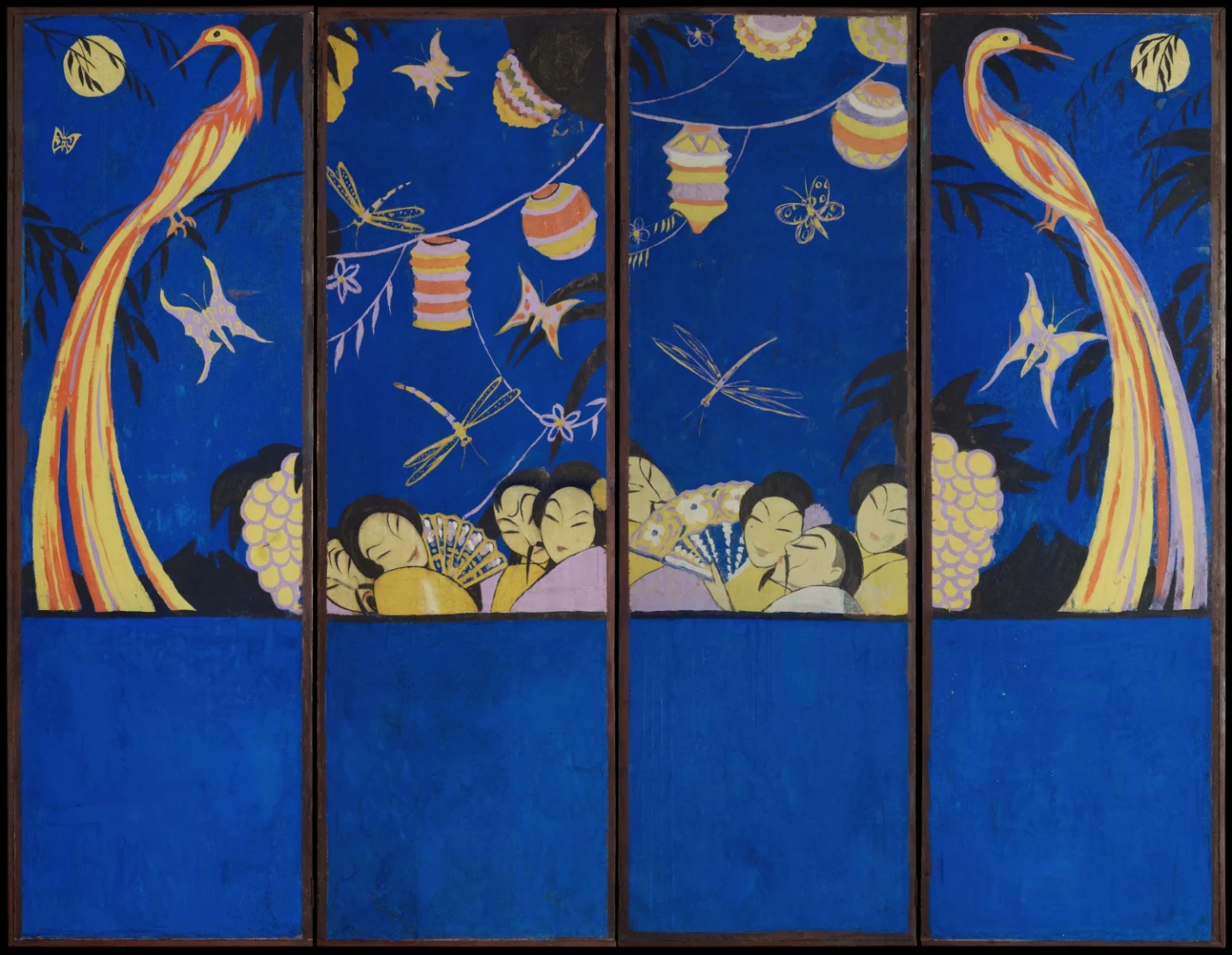 Image: Museo Nacional Centro de Arte Reina Sofía, Madrid
Museum Incorporates Salvador Dalí’s 'Biombo' Into Its Collections
The Museo Nacional Centro de Arte Reina Sofía incorporated Salvador Dalí’s Biombo, dated 1921–1922, into its collections in 2025. The museum’s account centres on a technical and interpretive question: how to balance the work’s value as an artwork with its status as a functional object. Presented as a screen, Biombo invites attention to what it conceals while also foregrounding the practical role built into its form. The Reina Sofía’s feature offers limited but pointed detail about the Surrealist object’s place in the collection.