 Image: Museum of Fine Arts Boston
The Ringling will present 'In the Flesh: The Nude in Japanese Art' from February 21 to August 23, 2026, in the Charles and Robyn Citrin Gallery at the Museum of Art in Sarasota. The exhibition looks at the nude as a provocative and transformative subject in Japanese art from the late 19th century through the postwar period, tracing how artists worked through questions of morality, modernity, and artistic freedom.
According to the museum, the unclothed body long carried associations with erotic imagery in Japan rather than fine art. The exhibition places that history against the moment when Japanese artists encountered Western academic traditions and new ideas about anatomy, realism, and the expressive potential of the human form. In that context, the nude gradually entered modern painting, printmaking, and other media.
The show describes bathing, grooming, and private introspection as socially acceptable frameworks through which artists depicted the naked figure. It also follows later modernist artists who moved beyond idealized forms toward bolder color, abstraction, and psychological intensity. The Ringling presents the exhibition as a study of how the nude became a site for negotiating gender, desire, and artistic identity in modern Japan.
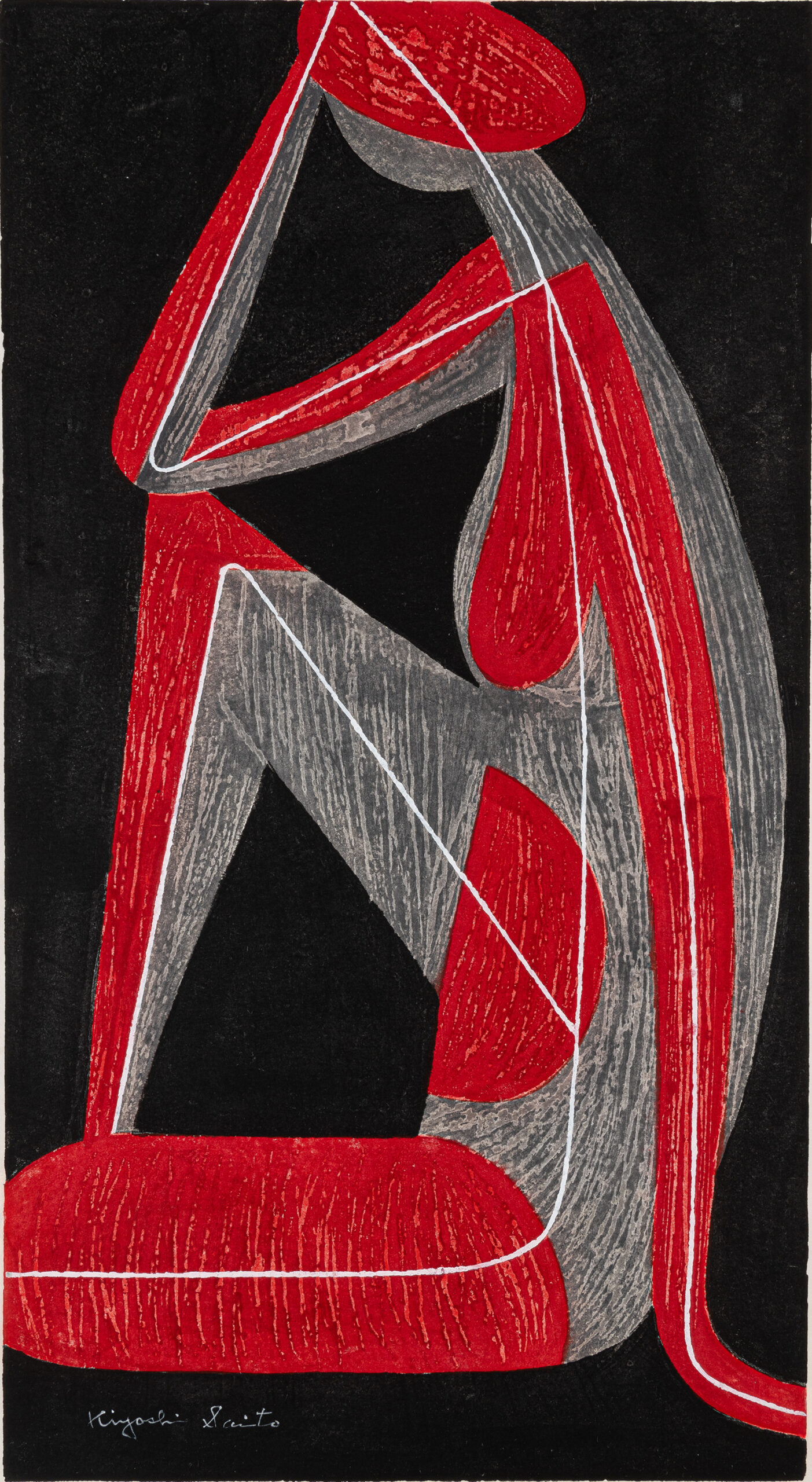
Works on paper form a major part of the presentation, alongside an oil painting by Ishikawa Toraji. The exhibition also includes Saitō Kiyoshi’s 'Nude' from 1954, a woodblock print in ink and color on paper. The museum has identified the work as a gift of Charles and Robyn Citrin, made in 2014.
The Ringling’s online exhibition page refers to the show as 'In the Flesh: The Nude in Modern Japan' in its descriptive text, but the event listing gives the title as 'In the Flesh: The Nude in Japanese Art'. The exhibition is included with museum admission.
Support for the exhibition comes in part from the Asian Art Endowment of the John & Mable Ringling Museum of Art. The project adds to the museum’s ongoing schedule of exhibitions and installations, while keeping its focus on Japanese art centered on a subject that shifts from social taboo to modern artistic experiment over the course of the exhibition’s time span.