 Image: Museo di Capodimonte, Naples
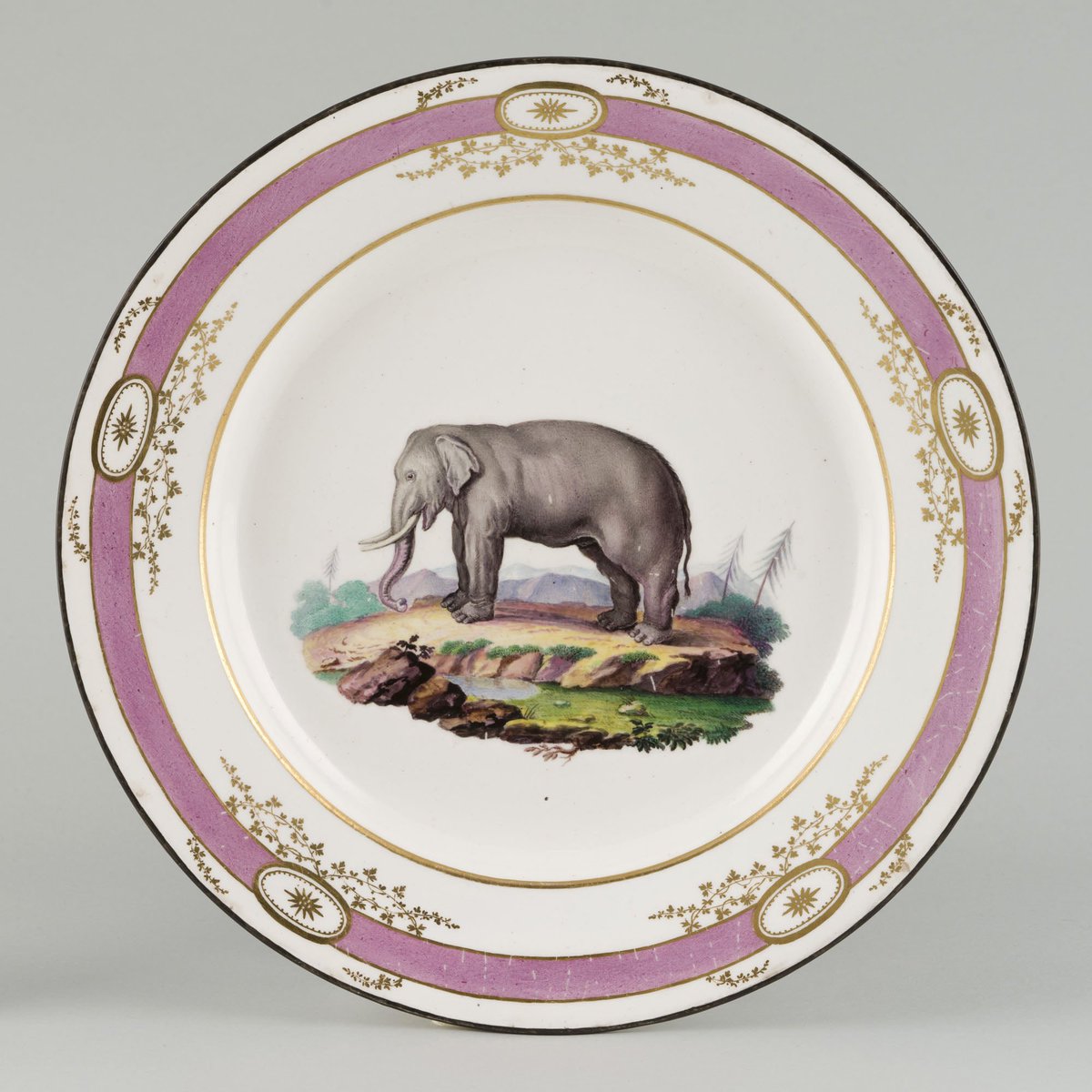
Museo di Capodimonte has drawn attention to an early 19th-century porcelain service, 'Servizio con animali a fascia lillà', in a post inviting visitors to see it up close in the museum’s Porcelain Gallery. The notice identifies the service as dating to 1800-1806, with later additions by Poulard-Prad from 1807-1815, and notes that it is French porcelain decorated in Naples and associated with the Del Vecchio manufactory, active from 1815 to 1840.
The museum’s short announcement focuses on the object itself rather than on a new exhibition or timed event. In the wording shared by Museo di Capodimonte, the service is presented as a collection highlight available for close viewing in the Galleria delle Porcellane, the gallery dedicated to the museum’s porcelain holdings.
The work’s hybrid history is central to the description. According to the museum, the service began as a French porcelain set, then received integrations by Poulard-Prad before further decoration or modification in Naples through the Del Vecchio manufactory. That layered chronology places the object at the intersection of French production and Neapolitan decoration, reflecting the kind of cross-European circulation that shaped luxury ceramics in the early 19th century.
The title itself, 'Servizio con animali a fascia lillà', suggests an ornamented service distinguished by an animal motif and a lilac band, though the museum’s post does not elaborate further on the full decorative scheme. No additional dimensions, inventory details or curatorial framing were provided in the notice, and the museum did not announce a loan, restoration or dedicated exhibition linked to the piece.
Museo di Capodimonte’s post offers a reminder of the breadth of material preserved in the Porcelain Gallery, where objects are presented not only as decorative works but also as evidence of shifting workshops, tastes and production histories. In this case, the museum emphasizes the service’s early 19th-century origins and its subsequent interventions as part of its documented story.
Visitors are invited by the museum’s own wording to view the object in person in the Galleria delle Porcellane at Museo di Capodimonte, where the service is currently on display.