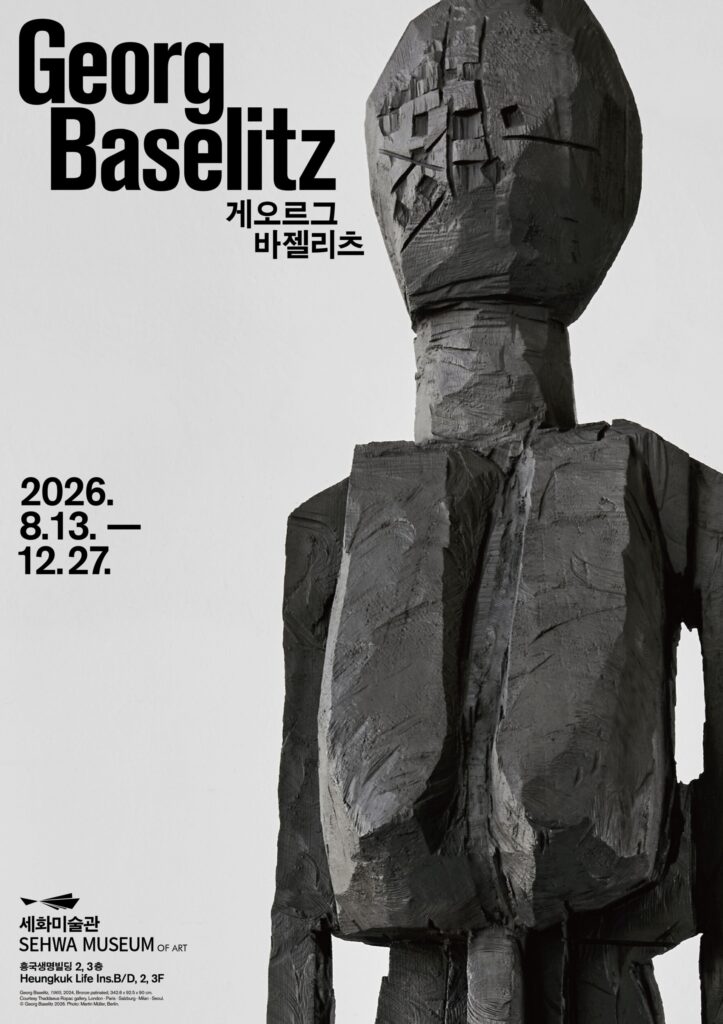
 Image: Exhibition poster, Georg Baselitz, Sehwa Museum of Art, Seoul, 2026
A retrospective of Georg Baselitz opens on August 13 at the Sehwa Museum of Art in Seoul, presenting a survey of the German artist’s 60-year trajectory across paintings, sculptures, drawings and other works. According to the museum, the exhibition is the first in Korea since Baselitz’s passing and is intended to shed new light on his distinctive visual language and artistic legacy; Gagosian’s museum-exhibitions notice dates that passing to April 2026.
The show runs through December 27, 2026, in Exhibition Halls 1, 2 and 3 at the Sehwa Museum of Art. The museum describes Baselitz as an artist who sublimated historical trauma into art while pursuing the essence of painting throughout his career. The exhibition spans 46 works and is organized around the major phases and recurring motifs that marked his practice from the 1960s onward.
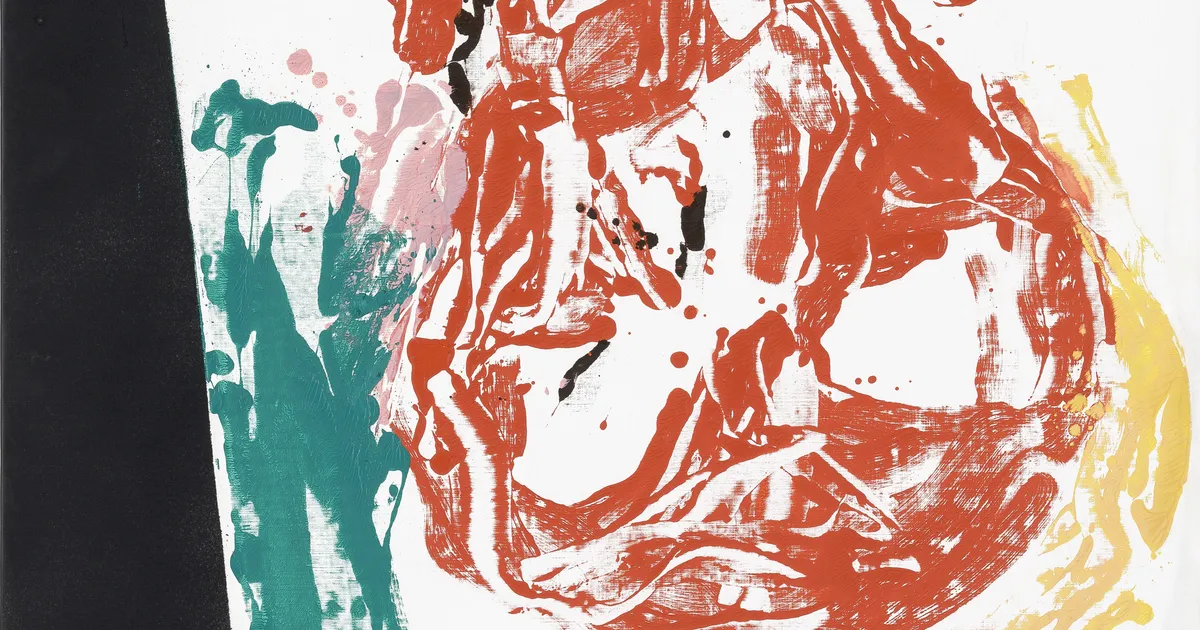
The presentation begins with Baselitz’s early works and highlights key images that reappear across his output from the 1960s to the 1980s. From there, it moves to later portraits of his wife, Elke, and to the Remix series from the 2000s onward, in which Baselitz revisited earlier motifs in a self-referential manner. The museum also says the exhibition explores the fragmented bodies and eagle motifs that run through his work as a whole.
The final section is devoted to the 'Gold Painting' series, which Baselitz worked on in his final years. The museum says the artist devoted himself to these works in his final years, and the retrospective concludes with this late body of work. The exhibition therefore presents not only a chronological overview but also a focused look at recurring formal and thematic concerns across Baselitz’s career.
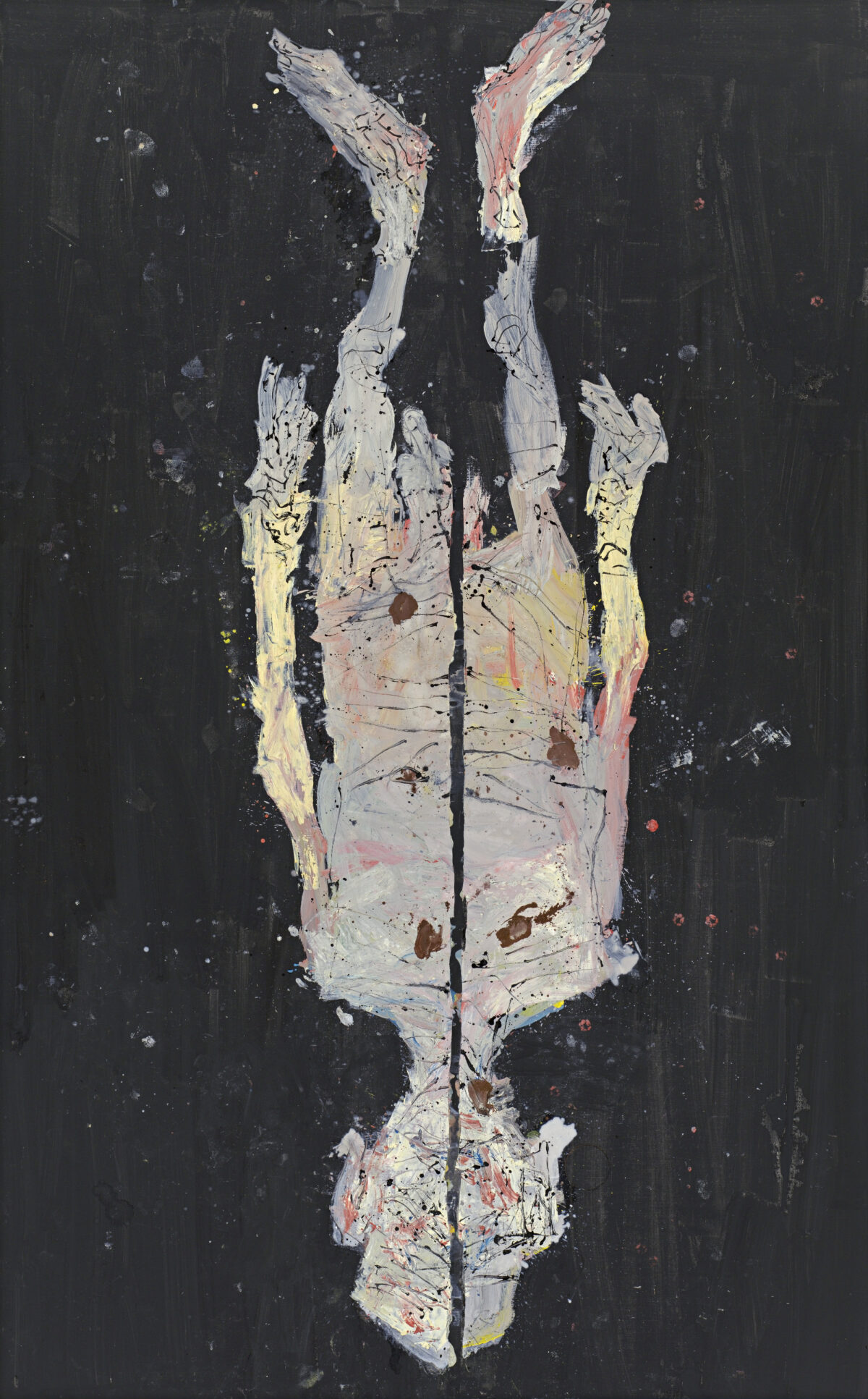
Baselitz (1938–2026) was long associated with a practice that questions established pictorial order, including his well-known upside-down figures. The Sehwa Museum’s framing places emphasis on his formal language as well as on the emotional and historical pressures that informed it. The exhibition text says the artist “fiercely explored the essence of painting throughout his life,” situating the Seoul retrospective as both an overview and an introduction to his work for Korean audiences.
The museum lists visiting hours as Tuesday through Sunday, 11:00 a.m. to 7:00 p.m., with last entry at 6:30 p.m., and notes that it is closed on Mondays. Admission is priced at 15,000 KRW for adults, 10,000 KRW for students in middle school through graduate school, and 7,500 KRW for seniors aged 65 and older.