 Image: National Museum of Modern and Contemporary Art, Seoul
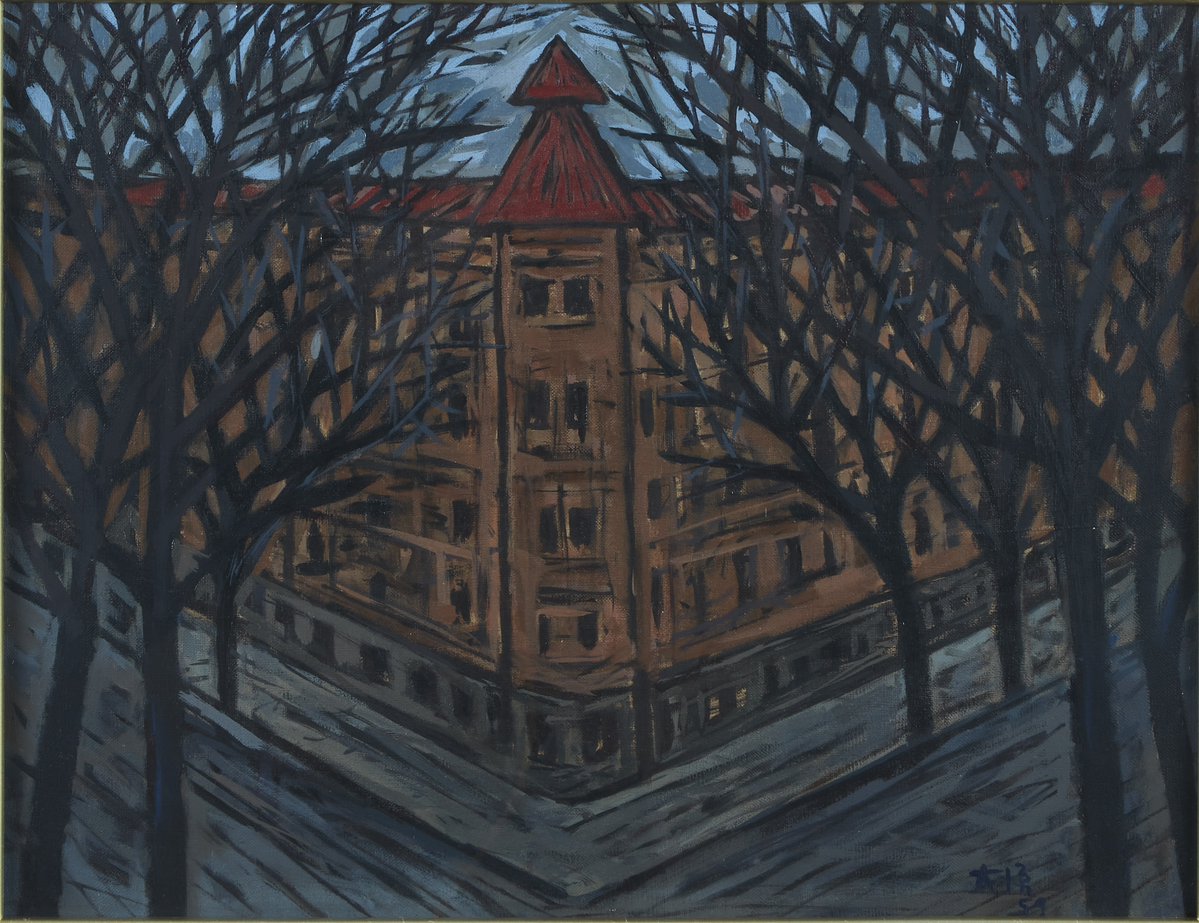
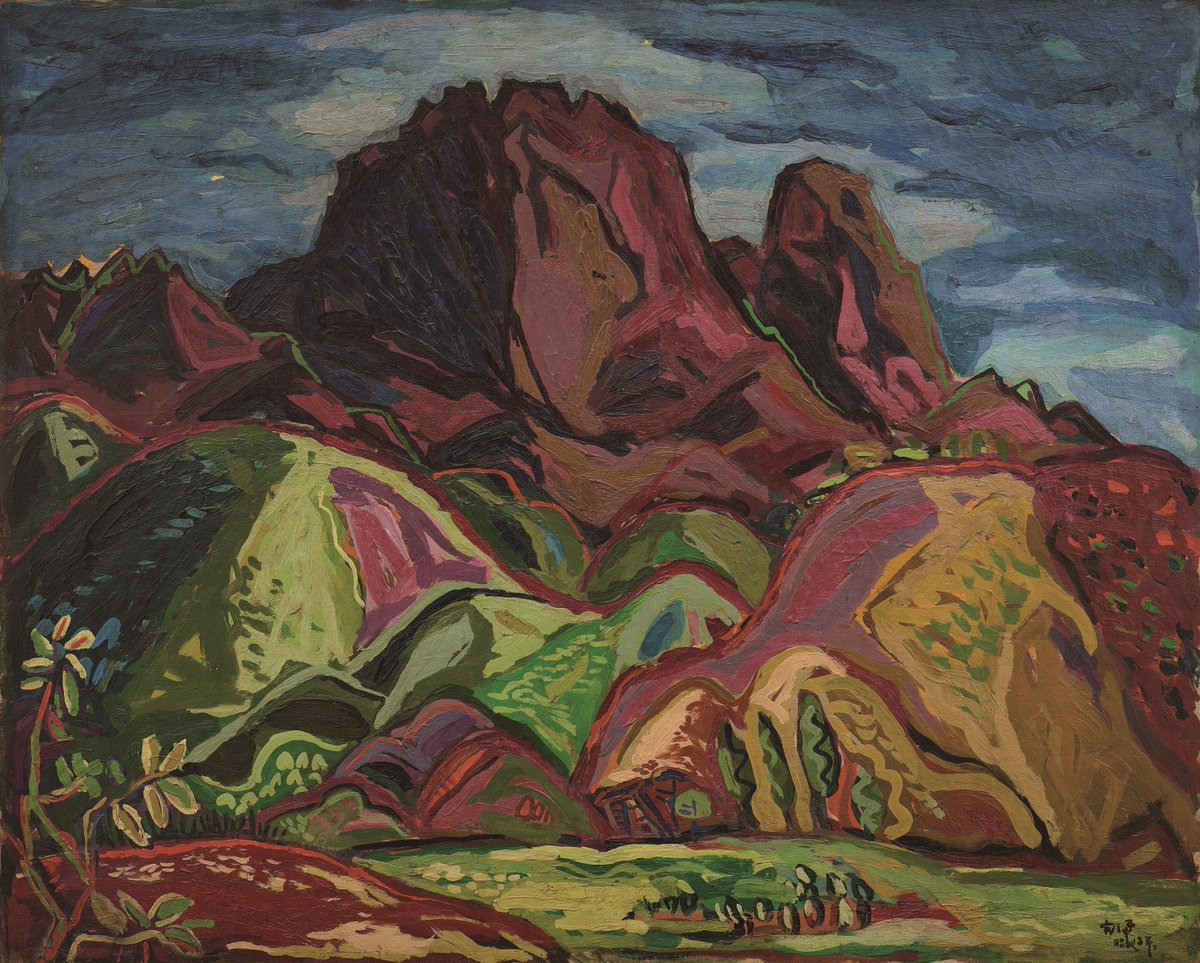
National Museum of Modern and Contemporary Art, Seoul is featuring Lee Dae-won’s 'Bukhan Mountain' in a new exhibition focused on diverse representations of Korean landscapes. The museum’s highlight notes that the work was originally titled 'Autumn Mountain' and later reaffirmed under the title 'Bukhan Mountain' in the exhibition context.
According to the museum material, 'Bukhan Mountain' received a special prize at the 10th Sunman Middle School Art Exhibition. The work is described as placing greater emphasis on the perception of autumn color than on a precise topographical rendering of the mountain. That approach aligns the painting with Lee’s interest in expressive color and atmosphere rather than strict geographical depiction.
The presentation situates the work within a broader look at how Korean scenery has been interpreted in modern art. Rather than treating landscape as a record of place alone, the museum frames the painting as an example of an artist using color and mood to shape how a mountain scene is read.
The MMCA’s highlight also notes the change in title history, identifying the work first as 'Autumn Mountain' and then as 'Bukhan Mountain.' That title shift is part of the work’s recent reappearance at the museum, where it is being presented in connection with a project exploring multiple ways of representing Korean landscapes.
The museum itself, the National Museum of Modern and Contemporary Art, Seoul, is one of South Korea’s major institutions for modern and contemporary art. In this context, the highlight draws attention to a single painting as a way of examining broader artistic approaches to landscape, especially the balance between recognizability and expressive interpretation.
No additional exhibition dates or venue details were provided in the source material, but the museum’s focus is clear: Lee Dae-won’s 'Bukhan Mountain' is being used to show how an autumn mountain view can be transformed through color, atmosphere and the artist’s individual pictorial emphasis.