 Image: Getty Villa, Los Angeles
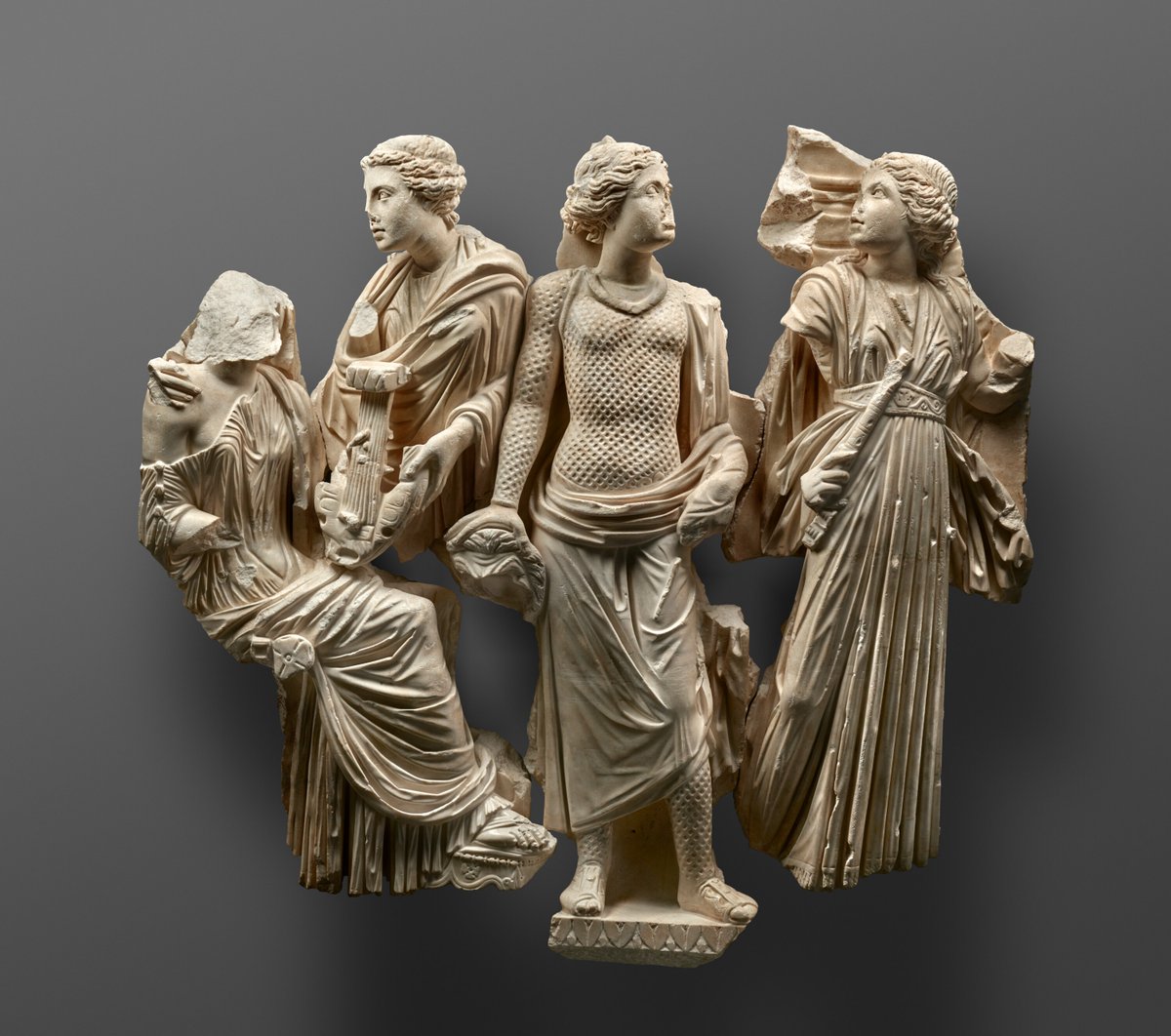
The Getty Villa has highlighted an ancient sarcophagus in a new social post that presents the object as a meditation on creativity, mythology and the role of the arts in life and death. In the museum’s message, the piece is described as resonating as a “celebration of individualism and the arts,” with emphasis on “beautiful figures,” “intricate detailing,” and the mythology associated with it.
The post positions the sarcophagus as more than a funerary object. By stressing its visual complexity and narrative content, the museum draws attention to the ways ancient art combined commemoration, storytelling and craft. The wording also underscores how elite patrons and viewers could have understood such works as statements about identity and status, even as they served a burial context.
No artist, workshop, date or specific provenance was included in the source material, and the Getty Villa did not identify the object beyond describing it as a sarcophagus. Even so, the post aligns with the museum’s broader focus on the ancient Mediterranean world and its surviving material culture, where carved stone and painted surfaces often carry both mythological imagery and personal meaning.
The social post also reflects the Getty Villa’s role as a public-facing institution that regularly uses individual objects to draw attention to ancient art and its continuing relevance. Rather than announcing an exhibition or timed display, the message functions as an object spotlight, inviting viewers to look closely at the carving and the ideas the museum associates with it.
The language of the post places equal weight on artistic workmanship and cultural symbolism. “Beautiful figures” and “intricate detailing” point to the visual appeal of the object, while the reference to mythology suggests a narrative framework that would have been legible to ancient audiences and remains central to modern interpretation.
The Getty Villa is located in Los Angeles and focuses on the arts and cultures of ancient Greece, Rome and neighboring civilizations. In this case, the institution’s short caption leaves the object itself to do the work, with the sarcophagus presented as a surviving example of how creativity was honored across the arc of human experience.