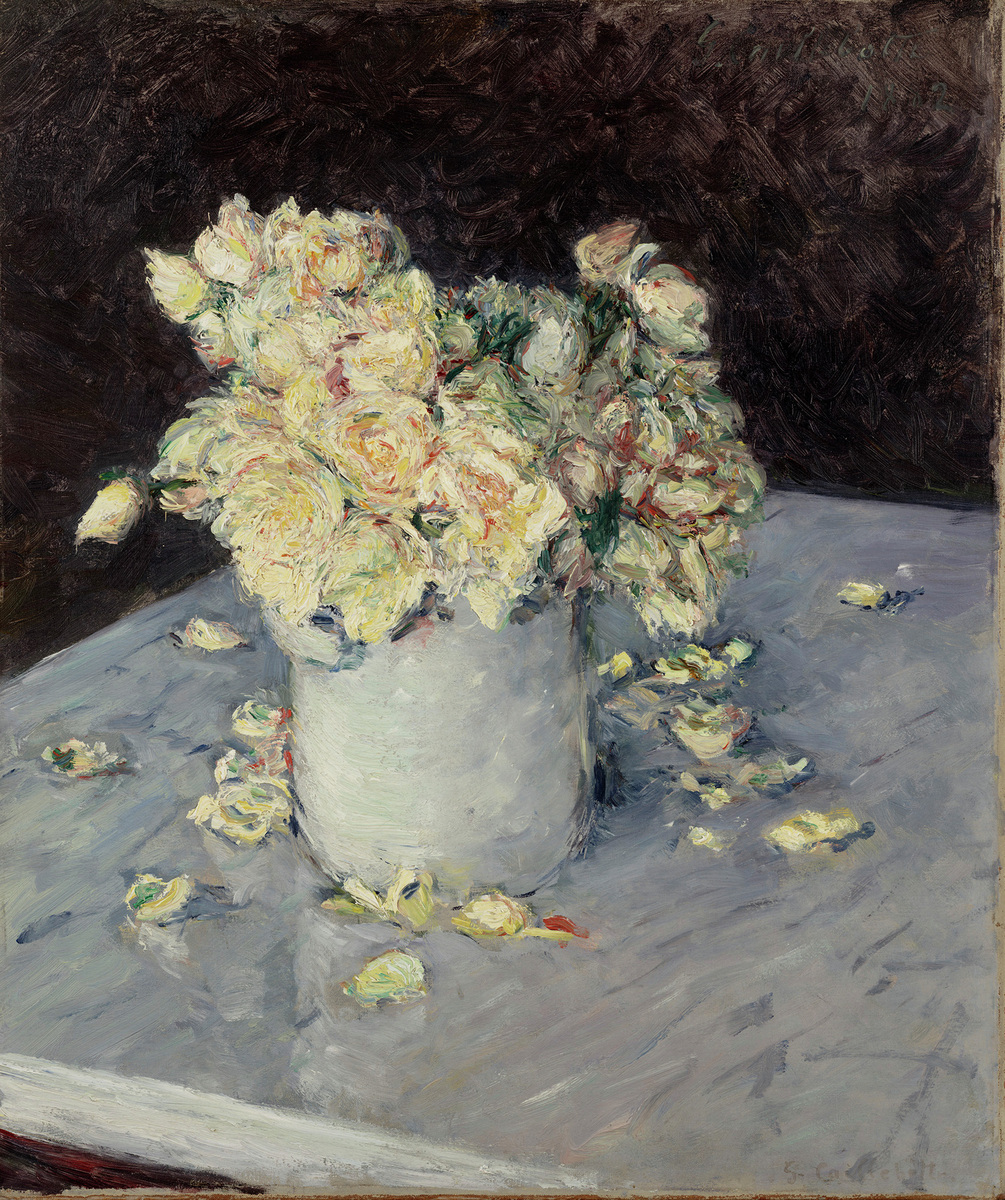
 Image: Dallas Museum of Art
The Art Gallery of Ontario’s Foyer newsletter is directing readers to a closer look at Impressionism, framing the movement as both familiar and more radical than its reputation suggests. The featured article, ‘Five Facts You May Not Know About Impressionism’, points to the exhibition ‘The Impressionist Revolution: Monet to Matisse from the Dallas Museum of Art’, now on view at the AGO, and places the Dallas Museum of Art’s collection at the center of a broader account of how Impressionist art changed modern painting.
According to the source material, the exhibition is organized by the Dallas Museum of Art and is composed of works from the museum’s collection. It is arranged into chronological and thematic sections that trace how Impressionist techniques and subjects helped set a new course for modern art in the late 19th and early 20th centuries. The AGO presentation is led by Dr. Caroline Shields, AGO Curator, European Art, while the exhibition itself is curated by Dr. Nicole R. Myers, the DMA’s Chief Curatorial and Research Officer and The Barbara Thomas Lemmon Senior Curator of European Art.
The Foyer piece says the exhibition is currently on view at the AGO on Level 4. It also uses the show as a springboard for a five-point overview of Impressionism’s history, beginning with the movement’s origins as an artist collective. The article notes that the Anonymous Society of Painters, Sculptors, Printmakers Etc. held its first exhibition in 1874, with founding members including Claude Monet, Edgar Degas, Pierre-Auguste Renoir, Berthe Morisot and Camille Pissarro. These artists were united, the source says, by a desire to show work outside the traditional Salon system governed by France’s official art institutions.
The newsletter material also emphasizes the movement’s reputational shock at the time. It describes Impressionism’s bright colours, visible brushstrokes and everyday subjects as features that made it feel rebellious in the 19th century. It says the artists rejected the slick realism and earth tones associated with Academic painting, and that technological advances such as resealable paint tubes made it easier for them to work en plein air, outdoors, in pursuit of fleeting light. The result, the source says, was a body of work focused on street life, industrial living and domesticity rather than historical and religious subjects.
Reception was initially cold. The Foyer article says few collectors were interested in the work and that critics described Impressionist paintings as ugly, unfinished and even offensive. Yet the same source presents the movement as a turning point that helped democratize the art market and open a path for later modern movements. It links Impressionism to Post-Impressionism and to Cubism, Fauvism, Expressionism, Futurism and Abstraction, while also naming Paul Cézanne, Vincent van Gogh, Paul Gauguin, Piet Mondrian and Henri Matisse among the artists shaped by its example.
The article’s final section focuses on Claude Monet’s relationship to nature, arguing that his apparent spontaneity often masked careful planning. It cites ‘Poplars, Pink Effect’ from 1891, which is on view in ‘The Impressionist Revolution: Monet to Matisse from the Dallas Museum of Art’ at the AGO, and repeats the longstanding account that Monet bought trees slated to be cut down so he could finish the painting. The source also mentions stories that he asked gardeners to move water lilies to achieve particular compositions. The exhibition is currently on view on Level 4 of the AGO.