 Image: Rijksmuseum Twenthe, Enschede
Rijksmuseum Twenthe in Enschede is presenting a major survey exhibition devoted to Finnish artist Pekka Halonen (1865–1933), bringing together 94 works that trace his landscapes, winter scenes and depictions of everyday life. Titled 'Pekka Halonen: Een ode aan Finland', the exhibition runs from 21 March to 16 August 2026, and the museum says it will travel to Denmark afterward.
The show is described by Rijksmuseum Twenthe as the first large retrospective of Halonen outside Finland. It has been organised in collaboration with the Ateneum Art Museum in Helsinki, the Petit Palais in Paris and Ordrupgaard in Denmark. Most of the loans come from the Finnish National Gallery’s Ateneum Art Museum, supplemented by works from other Finnish museums and private collections, along with a selection of personal painting tools from Halosenniemi, the artist’s self-designed studio home on the shores of Lake Tuusula.
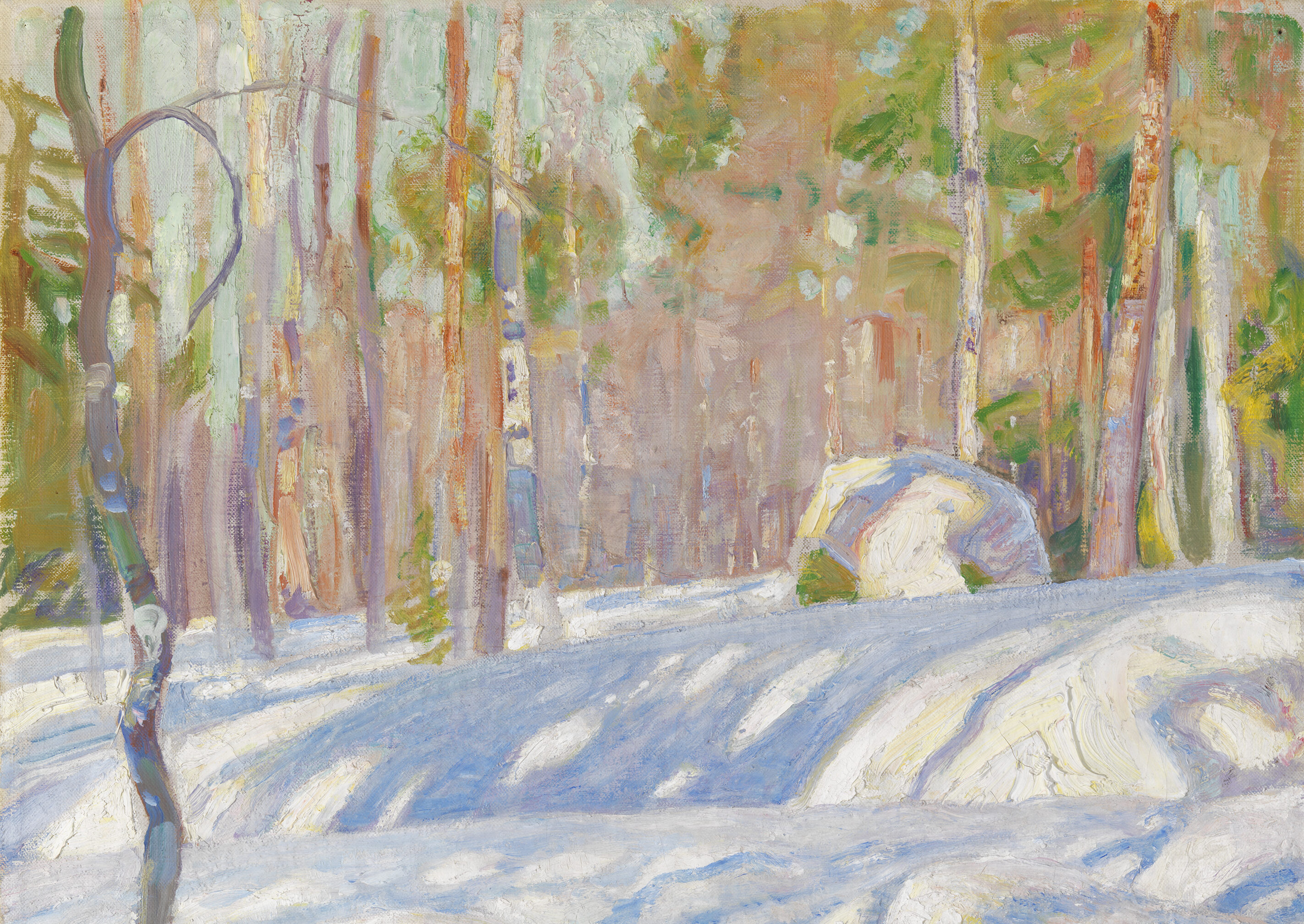
Halonen is presented as a painter who turned repeatedly to Finland’s unspoiled nature and rural life, using these subjects to express national identity. The museum says his work is closely tied to the political and social developments of his time, particularly the early 20th century, when Finland’s future was under strain. In that context, his landscapes are framed not simply as views of nature but as images given symbolic weight, intended to strengthen national self-awareness and pride.
The exhibition follows Halonen’s development from his student years in Helsinki and his brief period working in Paris in 1890 with Paul Gauguin, to his return to Finland, where he rejected urban modernity and industrialisation in favour of painting the countryside, changing seasons and the distinctive light of the North. The museum notes that his winter landscapes, with their emphasis on snow and the play of light and shadow, earned him the nickname the “snow painter” and remain among the best-known works in his oeuvre.
Halosenniemi, built by the artist at Lake Tuusula, is also part of the story. According to Rijksmuseum Twenthe, the house and studio became an important meeting place for a circle of artists, writers and composers, including Jean Sibelius and Eero Järnefelt. The museum presents that setting as central to Halonen’s practice, offering him direct access to the natural environment that shaped much of his work.
The exhibition has been curated by Valentijn As of Rijksmuseum Twenthe and Dr. Anna-Maria von Bonsdorff, director of the Ateneum Art Museum, with the project adapted from an original concept by Annick Lemoine and Anne-Charlotte Cathelineau of the Petit Palais. Among the works cited by the museum are 'Winterlandschap in de zon' (1911), 'Jongen aan de oever' (1891–1933), 'Pioniers in Karelië' (1900), 'Tomaten' (1913) and 'Met sneeuw bedekte jonge dennenbomen' (1899).