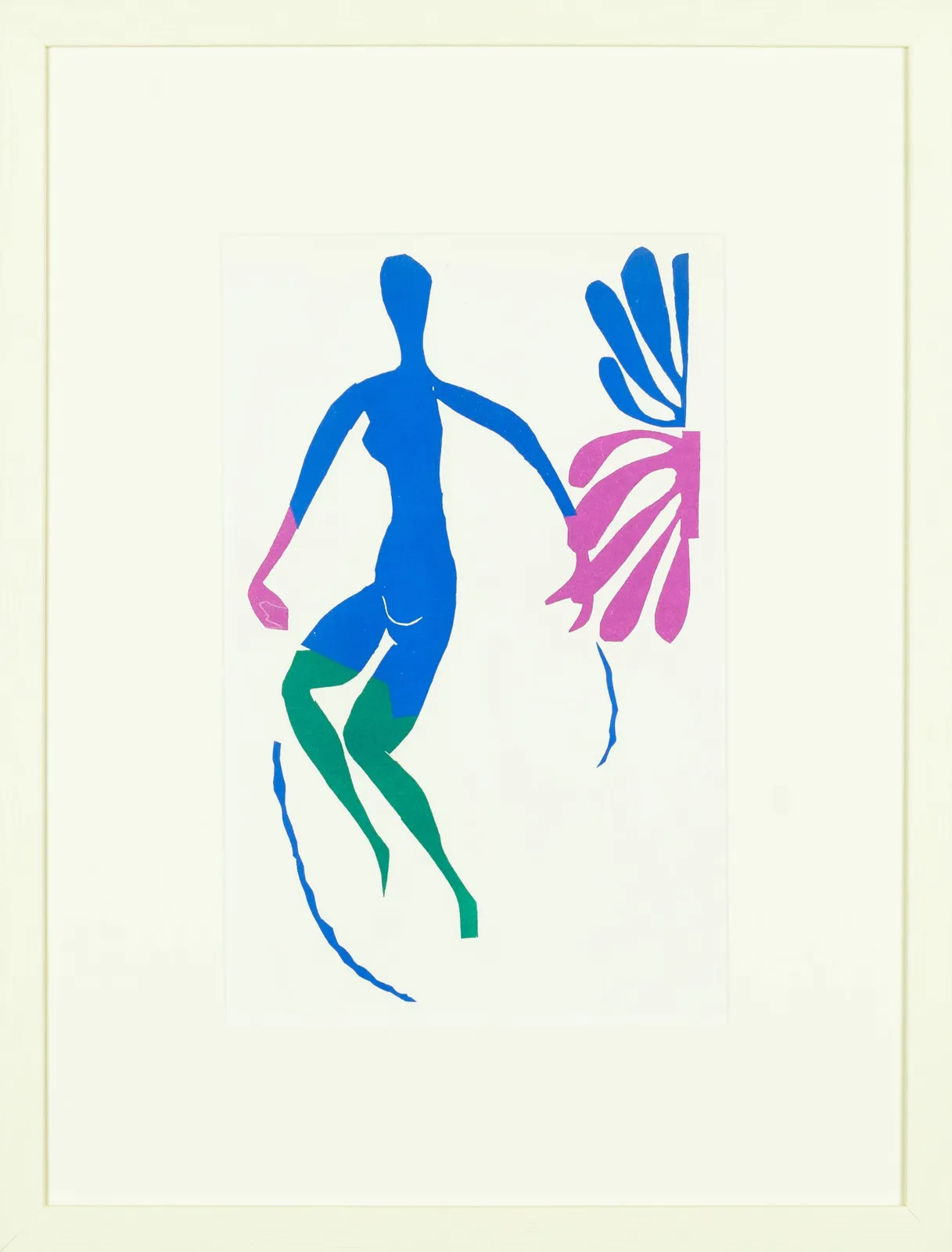
 Image: Hidden, Bristol
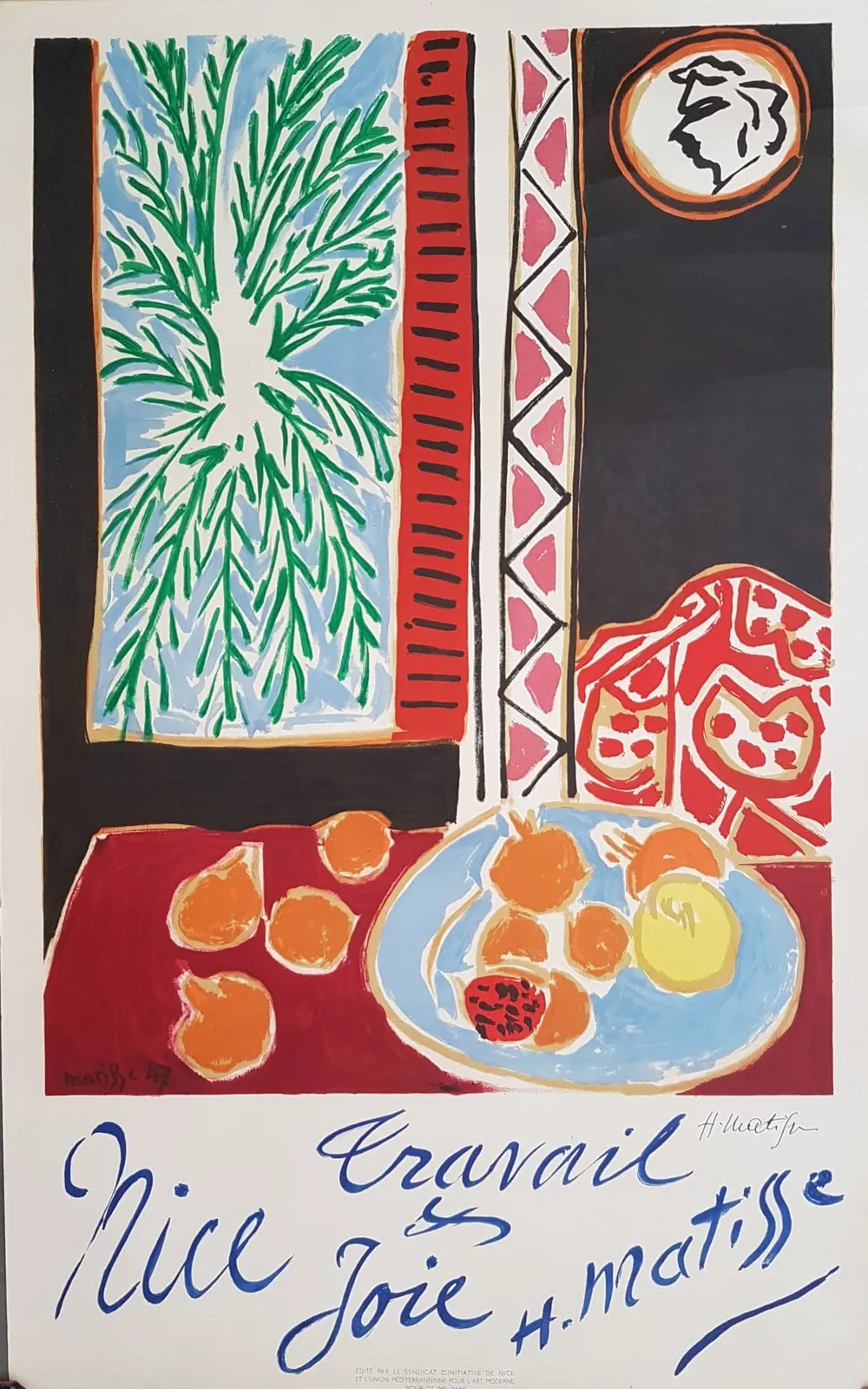
Hidden Gallery in Bristol is highlighting a group of Henri Matisse lithographs from 1958, with ‘Nu Bleu I’ placed at the centre of the selection. The work is a lithograph from the edition of 2,000, plate signed and dated at the bottom left, and priced at £3,150. Hidden’s listing describes the print as being in exceptional condition and notes that it remains “incredibly modern” despite its age.
The gallery’s wider Matisse offering includes related works from the same late graphic output: ‘Décoration Fruits’, ‘Acanthes’, ‘Nu Bleu V’, ‘La Piscine I’, ‘La Piscine II’ and ‘Apollon’. Each is presented as a lithograph from the edition of 2,000, with dimensions and framing details listed individually on the website. The prices range from £750 for ‘Acanthes’ to £1,200 each for ‘La Piscine I’ and ‘La Piscine II’, while ‘Apollon’ is listed at £925 and ‘Nu Bleu V’ at £950.
Hidden’s descriptions place these prints within Matisse’s final body of cut-out imagery and the posthumous Verve portfolio ‘Dernières Oeuvres de Matisse’, also known as Verve 35/36. According to the gallery, the lithographs were begun in 1950, near the end of the artist’s life, and were produced directly by Matisse working with Mourlot. The images reproduce his pochoir designs and were published in Paris in 1958 by Teriade.
Several of the listings add specific historical context around the source images. ‘Décoration Fruits’ is identified as a lithograph based on one of three monumental cut-outs Matisse made in 1953 as potential maquettes for a ceramic tile mural commission for Frances Lasker Brody’s home in Los Angeles; the other two were ‘Décoration Masques’ and ‘Apollon’. Hidden notes that Brody rejected those designs and asked for something less symmetrical and less classically influenced, leading to ‘La Gerbe’, which was installed in Los Angeles after Matisse’s death in November 1954.
The gallery also connects ‘Acanthes’ to a cut-out held by the Fondation Beyeler in Switzerland and states that the original work measures 312 x 352 cm. Its text says Matisse had long been fascinated with the acanthus plant, and that the cut-out was initially pinned to the walls of his studio while he worked in bed because of ill health. The lithograph reduces the plant’s leaves and flowers to simplified forms, and is referenced in the Catalogue Raisonné as Duthuit 139 and Freitag 6231.
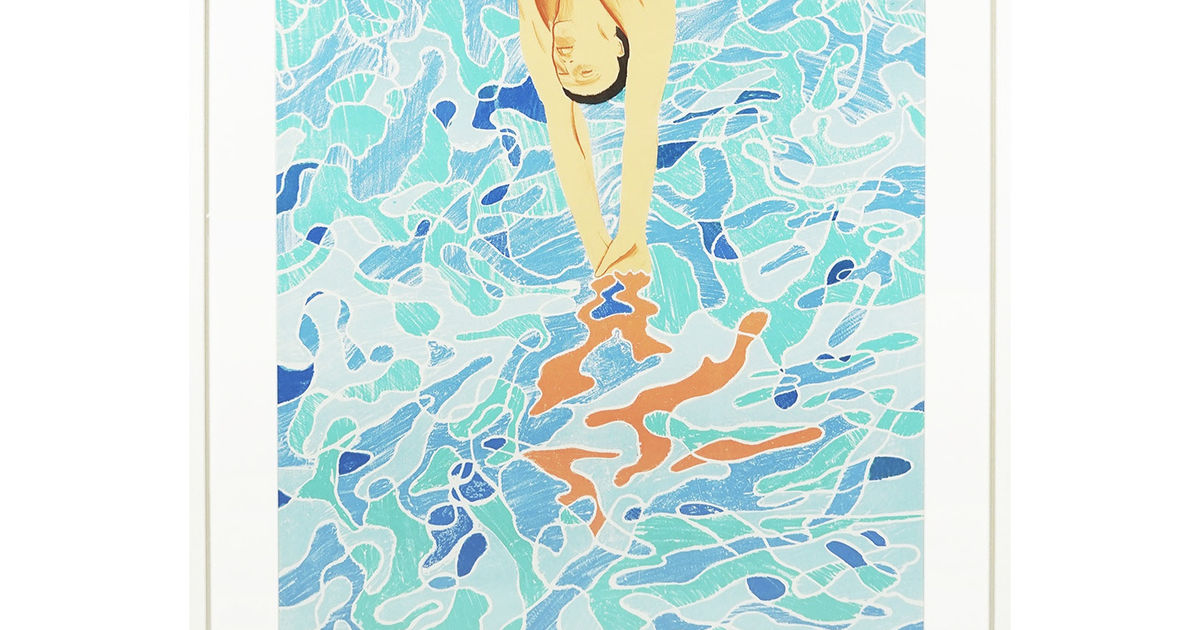
For ‘La Piscine I’ and ‘La Piscine II’, Hidden points to Matisse’s interest in swimmers and divers, saying that in summer 1952 he told his assistant and secretary Lydia Delectorskaya that “he wanted to see divers.” The gallery’s account describes how he arranged a ring of white paper around the walls of his dining room in Nice and assembled swimmers, divers and sea creatures from cut paper painted with ultramarine blue gouache. The work was later dismantled, mounted in Paris, acquired by the Museum of Modern Art in New York and restored; the lithographs are presented as one of the few ways to appreciate the intended colour scheme.
‘Apollon’ is described as one of the more spectacular lithographs in the portfolio and as a distillation of Matisse’s interest in balance, purity and serenity. Hidden says the cut-out was later translated to ceramic tiles with the Spanish ceramicist J. L. Artigas, and that the ceramic version is now housed in the Toledo Museum of Art while the original cut-out is in the Moderna Museet in Stockholm. The works are available to view by appointment at Hidden’s Islington studio in London, with Bristol viewings also offered by arrangement.