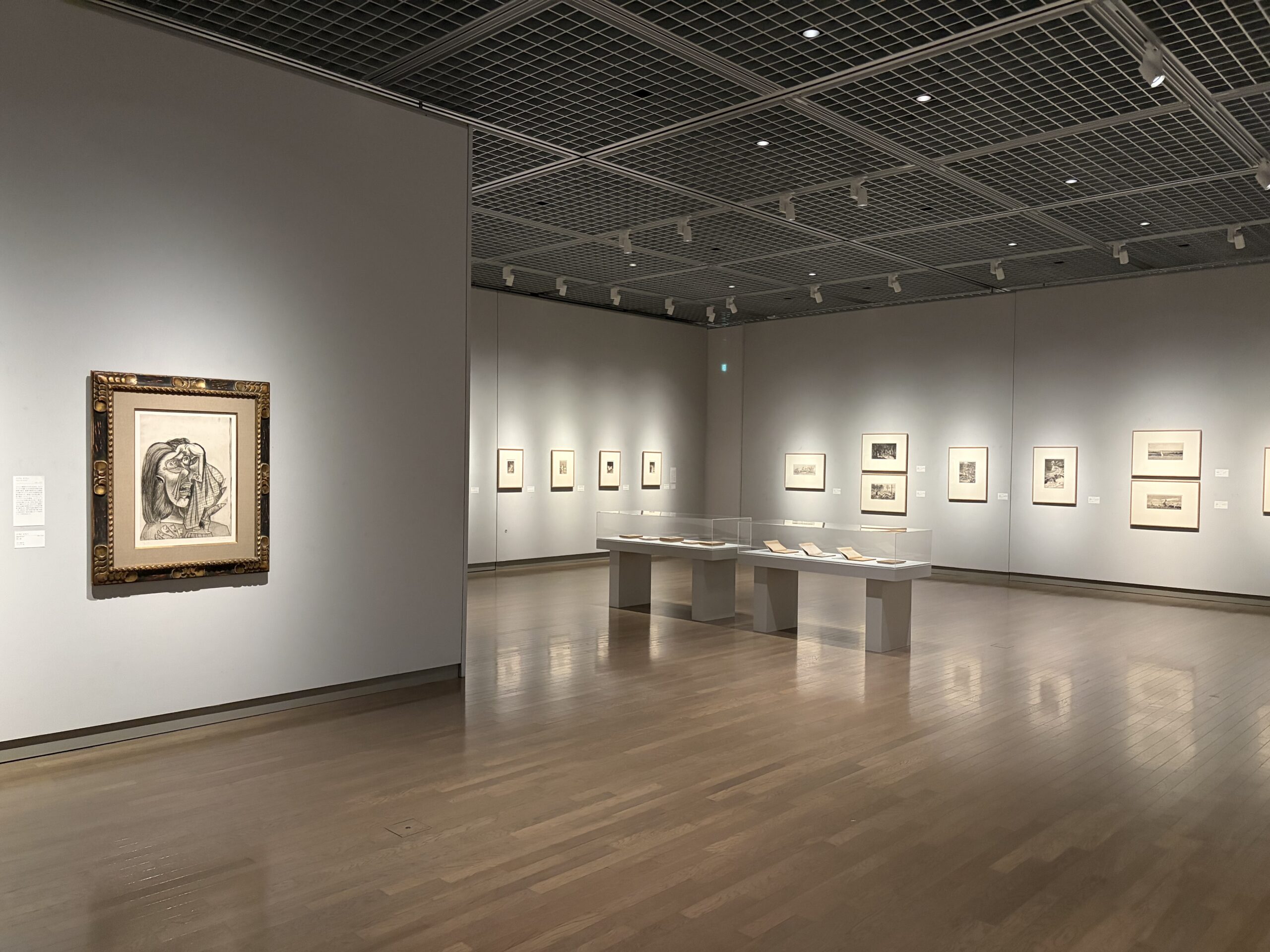
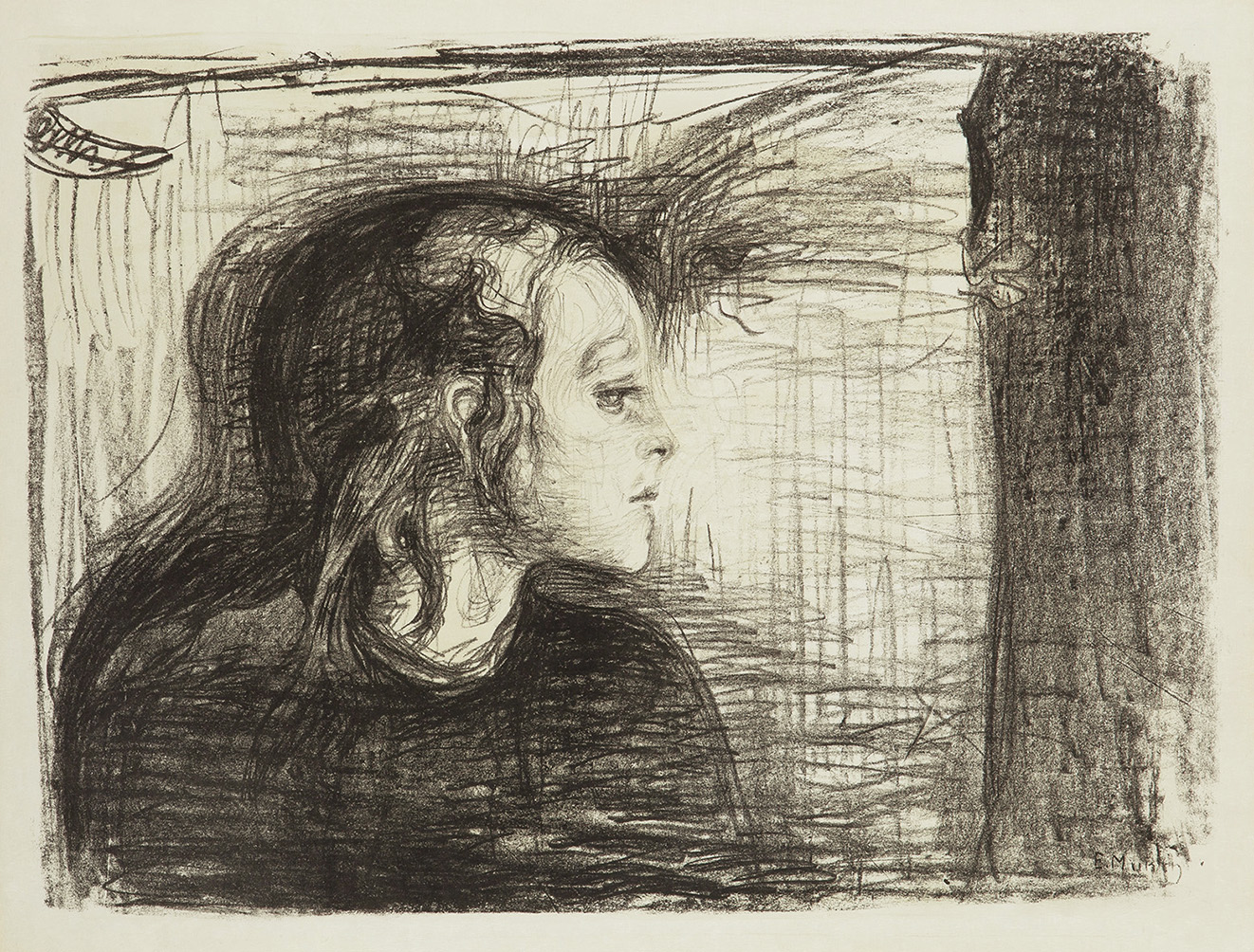
 Image: Museum of Modern Art, Wakayama
The Museum of Modern Art, Wakayama will open the first phase of its ‘MOMAW Collection - Printmaking and Art Walk’ on August 4, placing Edvard Munch’s ‘The Sick Child’ at the centre of a collection exhibition devoted to printmaking techniques, especially lithography. The show runs through September 6 in the museum’s first-floor exhibition room and is presented by Wakayama Prefectural Museum of Modern Art, the institution’s official name in the exhibition notice.
According to the museum, printmaking is one of the pillars of its collection, but works on paper cannot be displayed for long because they are sensitive to light. The new series is designed to bring out selected “masterpieces” from that collection in stages, with the first phase using Munch’s ‘The Sick Child’ as a guide into what the museum describes as a walk through the world of works made in the flat-print process. The exhibition title in Japanese frames the project as an art walk, and the English notice highlights the first phase as ‘Munch’s 'The Sick Child' and lithography.’
The museum situates the exhibition around the basic categories of printmaking—relief, intaglio, stencil and planographic printing—and explains that ‘The Sick Child’ was made by lithography, a kind of planographic print in which the plate remains flat and printing depends on the repellence of water and oil. The exhibition text also notes that lithography later gave rise to offset printing, now widely used in everyday printing. That technical emphasis gives the collection display a broader historical frame, linking a single work by Munch to the development of a printmaking process that remains central to modern reproduction.
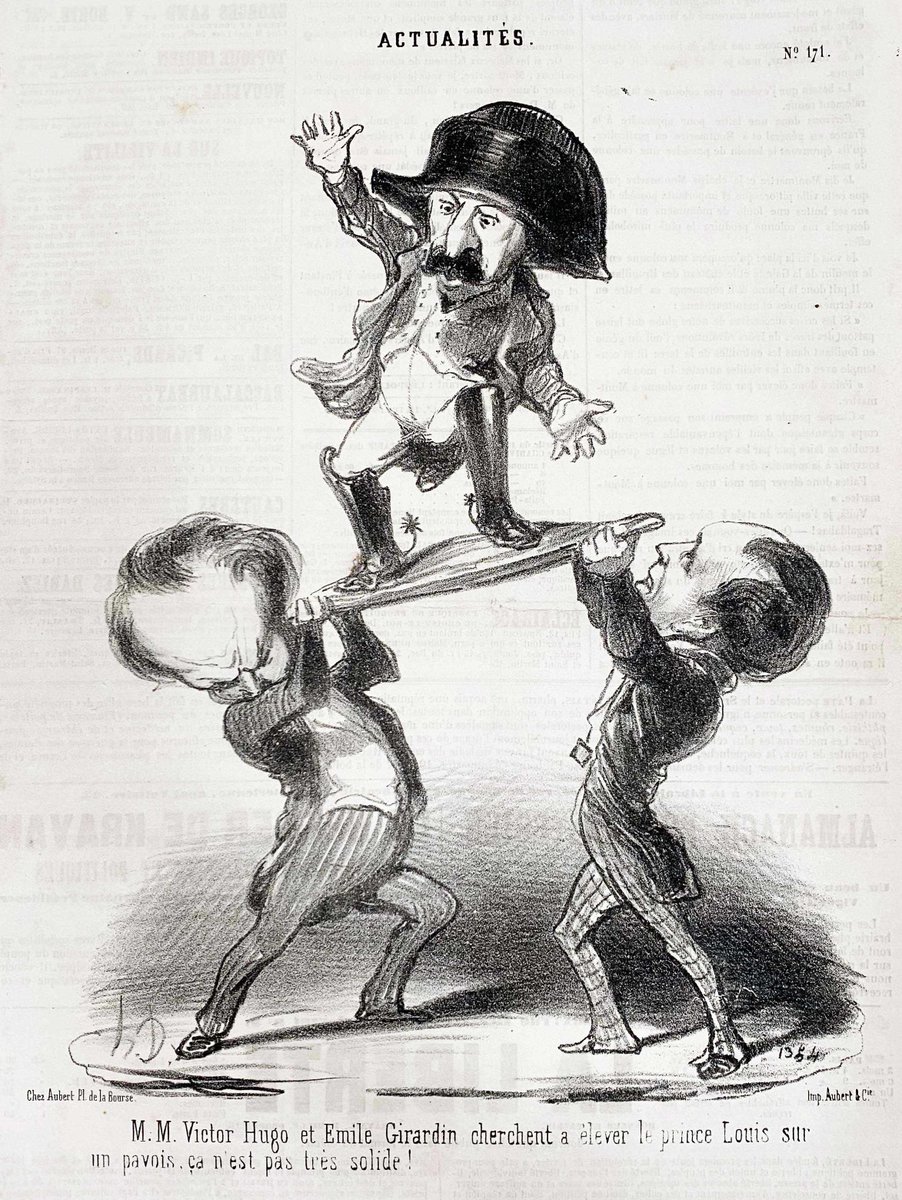
The museum traces lithography back to Alois Senefelder’s invention in Munich at the end of the 18th century, saying the process was completed around 1798 as a form of “chemical printing” and spread through Europe. It was first used for practical purposes such as music and maps, before painters in the 19th century began using it to create artworks. The museum notes that lithography’s distinctive strength lay in transferring every trace drawn on the plate, allowing artists to pursue delicate, free lines and soft washes through lithographic crayons, pens and brushes. It also points to the importance of collaboration with print workshops skilled in plate-making and printing.
The exhibition text then turns to Japan, stating that a lithographic press was introduced in 1860, when a Prussian mission presented the shogunate with a full stone-printing press. During the Meiji period, instructors were brought from Europe and the United States, and lithography spread through practical printed materials before also generating prints as art. As the medium entered art schools, lithographers emerged who were active in domestic and international exhibitions.
Works listed for the phase include Munch’s ‘The Sick Child’ and ‘Self-Portrait with a Skeleton Arm’, as well as works by Oda Kazumasa, who is identified in the notice as helping to create the world of creative lithography in Japan, and later pieces by artists including Warwara Bubnova, Ishii Hakutei and Haza Inosuke. The museum says the exhibition will move from Munch’s work to a range of examples from Japanese creative printmaking and on to modern works, showing the appeal of lithography alongside its history.
‘MOMAW Collection - Printmaking and Art Walk’ is planned as a four-part series running from August 4, 2026, to January 11, 2027. After the lithography-focused first phase, the museum lists phase two as ‘Picasso’s 'The Weeping Woman' and intaglio,’ phase three as ‘Matisse’s 'Jazz' and stencil,’ and phase four as ‘Kandinsky’s 'Klänge' and relief printing.’ For the first phase, opening dates are August 4 to September 6, 2026, with opening hours from 9:30 a.m. to 5 p.m., last admission at 4:30 p.m., and lecture events by the curator scheduled for August 22 and September 5.