 Image: Morohashi Museum of Modern Art
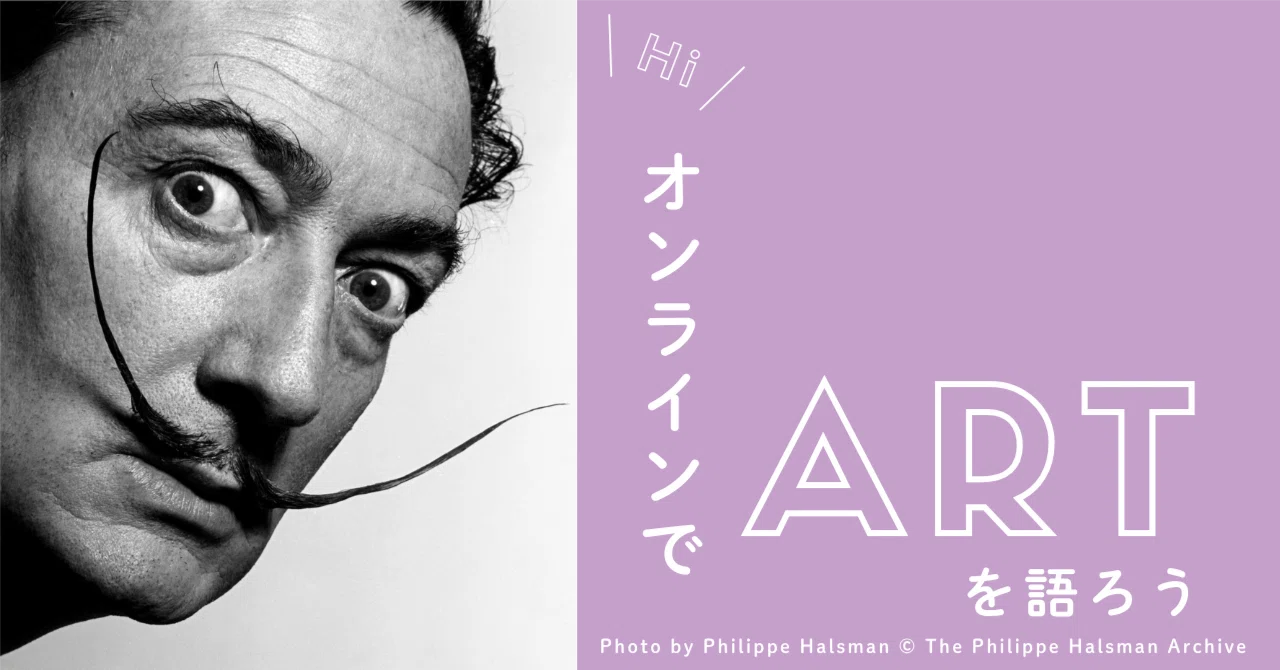
The Morohashi Museum of Modern Art is continuing a monthly online art-discussion series that invites participants to share impressions of artworks without requiring specialist knowledge. In a recent session, the museum used Philippe Halsman’s 1954 portrait of Salvador Dalí, 'Salvador Dalí', as a starting point for free-flowing conversation, with viewers offering sharply different readings of the image.
According to the museum’s note post, remarks ranged from observations about Dalí’s mustache and gaze to broader interpretive guesses about the sitter’s personality. The session format is designed to encourage discussion among participants rather than to test art-historical expertise, with the museum describing the exchange as a way of broadening each viewer’s sense of how the same work can be seen in different ways.
The museum said the monthly program, called 'Morobi no Online Viewing Dialogue', is held on a regular basis roughly every one to two months. Participation is arranged through Peatix, and interested viewers are directed to follow the museum for updates on upcoming sessions. The online format has become one of the institution’s continuing public-facing activities while its physical venue remains closed for renovation.
Morohashi Museum of Modern Art opened in 1999 in the Urabandai area of Fukushima Prefecture, near Goshikinuma. Its collection focuses on works by Salvador Dalí, including sculpture, painting and prints, alongside selected Impressionist works. The museum notes that it is currently in a long-term closure for repair work, with reopening expected around spring 2027.
The recent online dialogue around Halsman’s portrait was presented as one example of how group interpretation can change the experience of looking. The museum quoted participant comments from other sessions as well, including reactions that different life experiences lead to different things being visible in a work, and that discussion can shift an image from feeling lonely to feeling lively.
Alongside the viewing program, the museum is also asking visitors to engage with its collection digitally during the closure. It has made all of its works available on its official website in small images and is running a public vote for what it calls the museum’s 'face', 'Best of Morobi'. The online viewing dialogue remains part of that broader effort to keep the collection visible while the museum stays closed until its planned reopening in 2027.