An exhibition in Panama City is using works from two major collections to trace the country’s art history and its place in the wider Latin American scene. “De Regreso a Panamá” is on view at Ciudad de las Artes, in the lobby of the Edificio Margot Fonteyn, through Nov. 10, and brings together works from the Museo de Arte Contemporáneo de Panamá (MAC Panamá) and the Museo de Arte de las Américas of the Organization of American States.
The show is presented as a collaboration among the Ministry of Culture, the OAS museum and MAC Panamá, and was organized to coincide with the bicentennial of the Congreso Anfictiónico. According to the source material, the project emerged after a meeting between Panama’s culture minister, Maruja Herrera, and Laura Gil, the OAS deputy secretary general. About 30 works from the Museo de Arte de las Américas were brought to Panama to join a selection from the MAC collection.
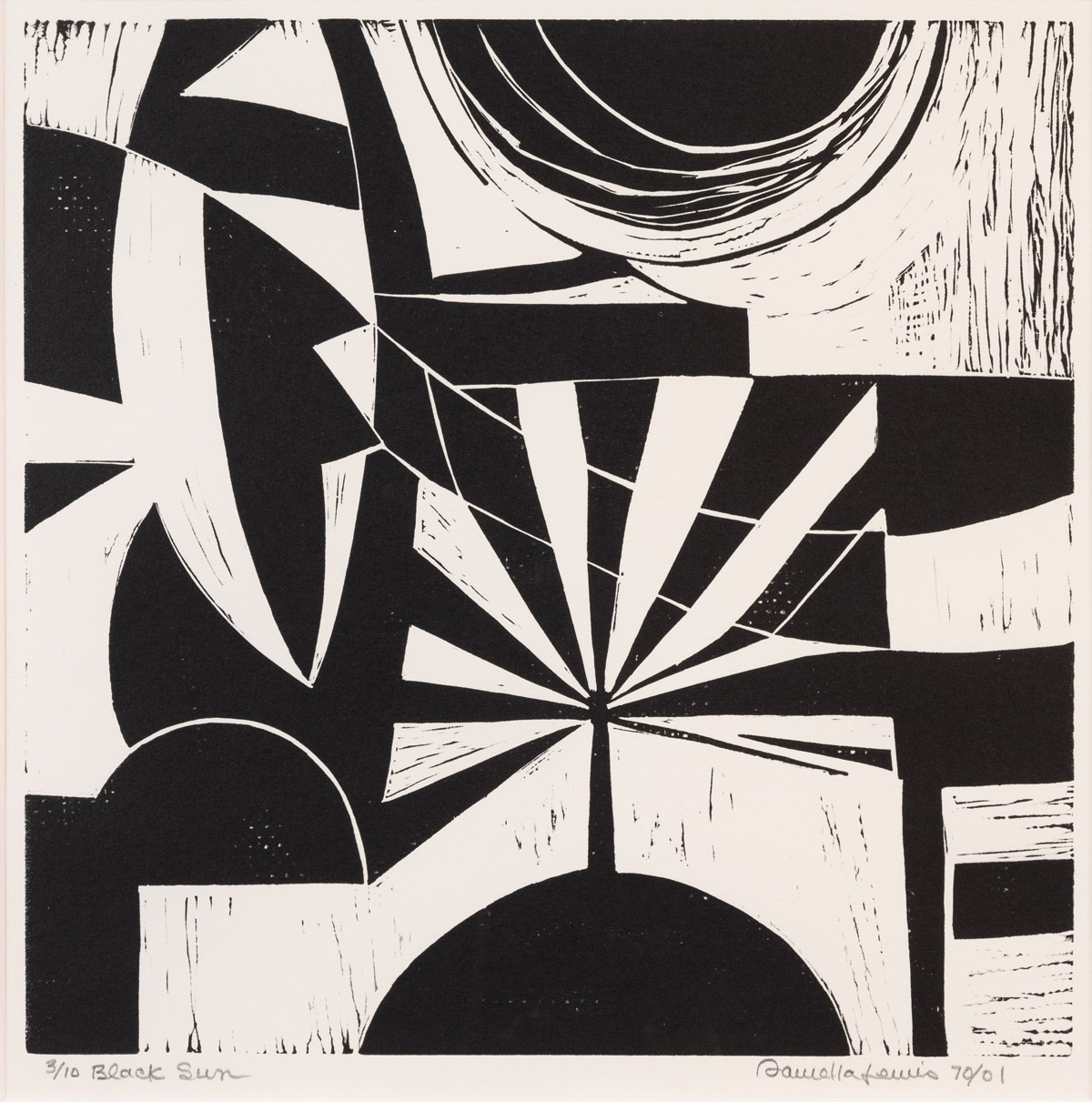
Rather than tell a linear national story, the exhibition builds connections across generations of Panamanian artists. Works by historical figures including Julio Zachrisson, Coqui Calderón, Guillermo Trujillo, Trixie Briceño and Alfredo Sinclair are shown alongside pieces by contemporary artists such as Giana de Dier, Cisco Merel, Enea Lebrún, Rachelle Mozman and Alfredo Martiz. The curatorial approach, according to MAC chief curator Juan Canela, was to identify points of contact between the two collections and build a narrative from shared concerns such as abstraction, politics and identity.
Canela pointed to Guillermo Trujillo’s “Elegía al sol,” the first work to enter MAC Panamá’s collection, as an example of the exhibition’s visual logic. The museum in Washington, meanwhile, holds another Trujillo painting from the same period and roughly the same size, but in blue tones, allowing the two works to speak to one another when displayed together. The curatorial team says such pairings open the door to broader links with artists including Julio Zachrisson, Alberto Dutary and José Castrellón, whose work “Palo enceba’o” addresses the events of Jan. 9 through strongly identitarian imagery.
The exhibition also highlights Panama’s regional significance. Canela said the project underscores how important these artists were for an institution like the Museo de Arte de las Américas, which historically invited and acquired work by artists from across Latin America. Adriana Ospina, director of the OAS museum and a co-curator of the exhibition, said the museum has long served as a platform for Latin American and Caribbean artists to project their careers internationally, placing Panamanian artists such as Trixie Briceño and Alfredo Sinclair in dialogue with figures including Fernando Botero and Oswaldo Guayasamín.
Ospina also situated the OAS within a longer history of cultural diplomacy, saying the organization had promoted artists since the 1930s and opened its permanent collection in 1938. The museum’s permanent collection now exceeds 2,000 works and continues to stage exhibitions around themes tied to the OAS’s pillars of democracy, human rights, development and security. In Panama, “De Regreso a Panamá” frames that institutional history around a simple but significant proposition: that the country’s art history is best understood not only at home, but also through the international exchanges that helped shape it.