 Image: Center for Modern and Contemporary Art Debrecen
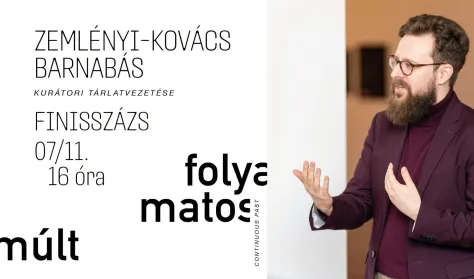
The Center for Modern and Contemporary Art Debrecen, known as MODEM, will host the finissage of Nemes Csaba’s retrospective, Folyamatos múlt, on July 11, 2026, with a closing curator’s tour led by Barnabás Zemlényi-Kovács at 4 p.m. The exhibition is presented at MODEM Modern és Kortárs Művészeti Központ in Debrecen, and the event marks the final public occasion tied to a show the museum describes as the most comprehensive overview of the artist’s three-and-a-half-decade career so far.
According to MODEM’s exhibition information, Folyamatos múlt runs from the early neo-conceptual works of the early 1990s to abstract paintings made in recent years. Rather than follow a strict chronological order, the show is structured around four thematic threads that cut across the artist’s whole career. The museum says this approach is intended to highlight unexpected parallels and contrasts between works from different periods, alongside conceptual strategies and recurring motifs that emerge over decades.
Nemes Csaba’s practice is framed by the institution as one shaped by critical responses to contemporary social, political and cultural processes, together with a search for the appropriate artistic form for each moment. The retrospective brings together work made across a range of media, including painting, drawing and photography, as well as animation, linocut, an official contract and Lego sculptures. In MODEM’s account, this breadth is central to understanding an oeuvre that has consistently tested the boundaries of medium in response to the present.
The museum links that present-day commentary to a wider historical arc. It cites references in Nemes’s work to the post-1989 transformation of visual and social life, the October 2006 events, the 2008 anti-Roma murders, the refugee crisis, the Eleven Emlékmű initiative launched in 2014, and the blockade of the University of Theatre and Film Arts in 2020. The retrospective also addresses what MODEM calls a “continuous past”: inherited trauma, recurring grievances, frozen social and ideological tensions, and the return of social and cultural patterns in altered form.
The exhibition is divided into four sections, with an added Filmfolyosó presenting a twenty-year selection of Nemes’s video works. The first section examines overlapping personal and collective pasts and the legacy of twentieth-century history, especially socialism as a system that imposed constraints while also creating possibilities. A second section traces the artist’s political and system-critical program, including his so-called “szocioszürrealizmus,” which uses fiction, allegory, montage and visual metaphor to move beyond straightforward realism.
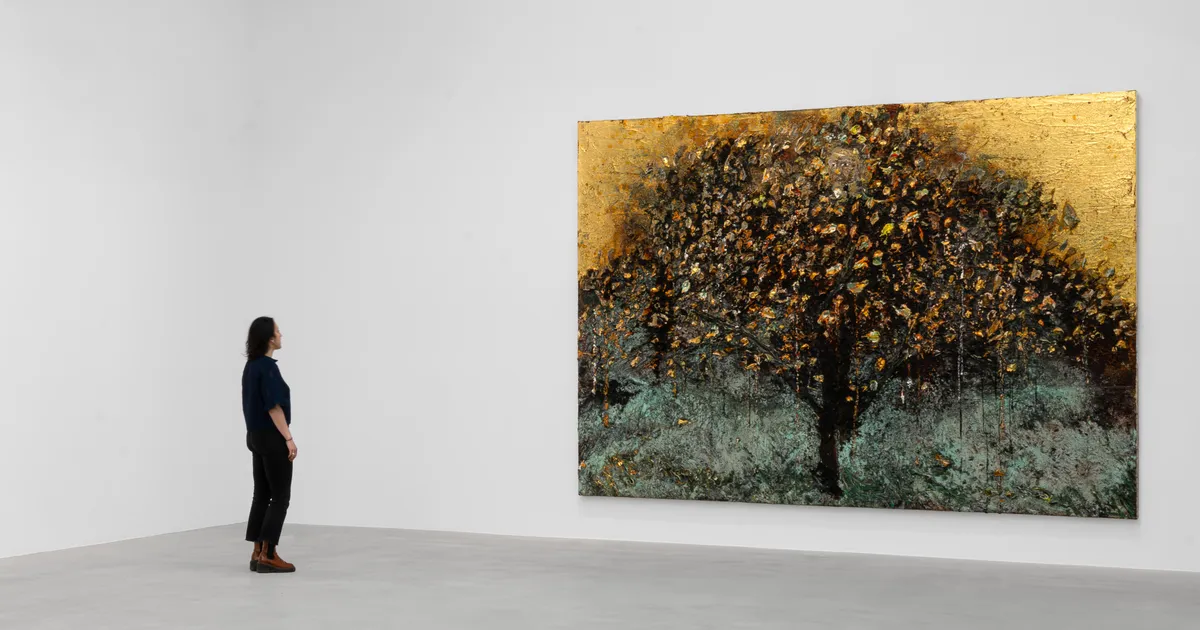
The final section gathers the various forms of abstraction that have long surfaced within the oeuvre, from found abstract elements appropriated from public space in the 1990s to what the museum calls “real” abstract paintings from the 2020s. That range helps explain why the exhibition matters beyond a single artist’s career: it offers a concentrated view of how recent Hungarian art can register political upheaval, social memory and formal experimentation at once, while also showing how institutions such as MODEM use retrospective exhibition-making to connect local audiences with broader debates about history and the role of art in public life.