 Image: Тhe Gallery of Matica srpska
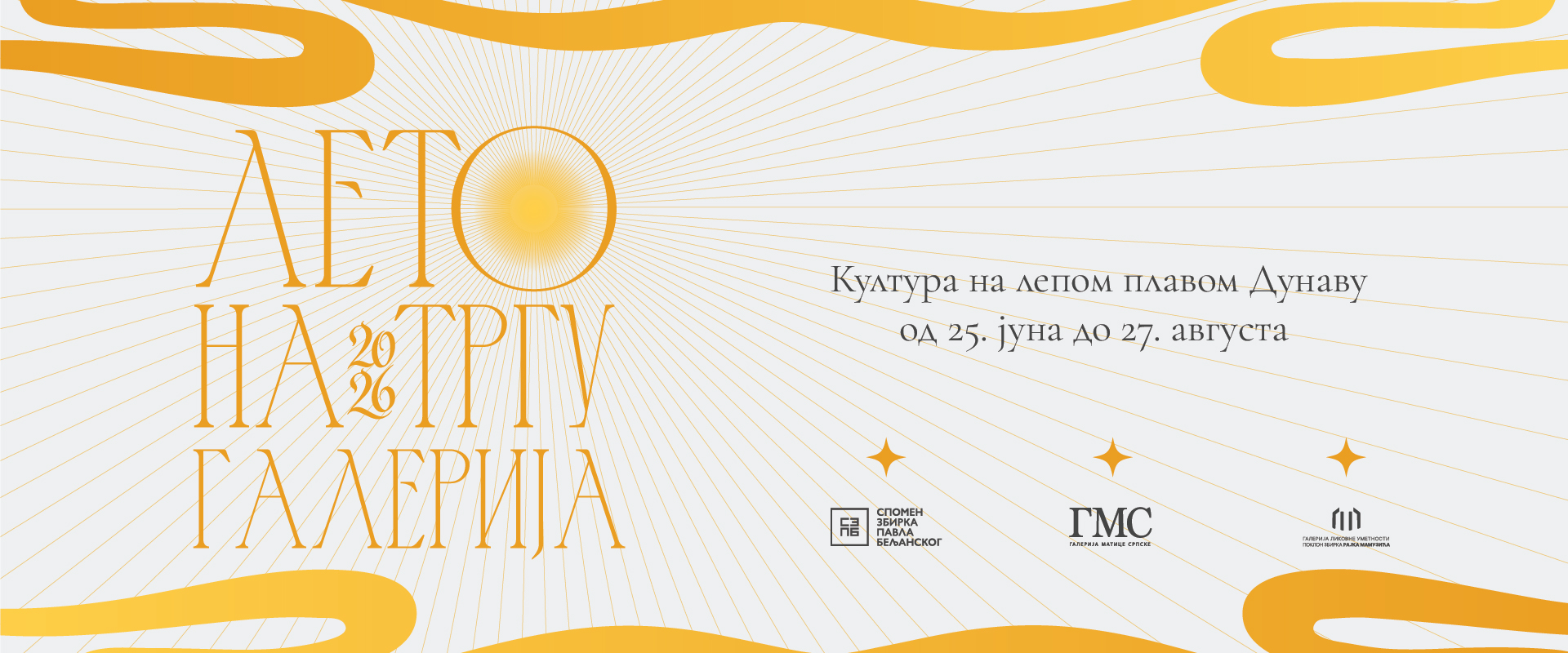
The Gallery of Matica Srpska in Novi Sad is set to continue its summer public program with an English-language lecture on July 9, 2026, at 9 p.m., focused on the Kunsthistorisches Museum Vienna and on two Italian painters whose work shaped the European visual canon: Giovanni Antonio Canal, known as Canaletto, and Bernardo Bellotto. The event is part of the gallery’s “Leto na Trgu galerija 2026” program and will take place in the shared garden of the Gallery of Matica Srpska and the Serbian National Theatre.
According to the gallery’s announcement, Dr. Jennifer Sliwka, director of the Picture Gallery at the Kunsthistorisches Museum Vienna, will present the history of the museum, its reinterpretation of the collection in the present moment, and directions for future development and new projects. Her colleague, Dr. Mateus Mayer, curator and author of the museum’s current exhibition on Canaletto and Bellotto, will introduce that show from his own perspective. The lecture will be held in English and is advertised as open to all ages with free admission.
The event reflects the Gallery of Matica Srpska’s role not only as a custodian of Serbian art, but also as a venue that situates local audiences within wider European art-historical conversations. By bringing in speakers from one of Europe’s major museums, the institution is connecting Novi Sad to current curatorial thinking in Vienna, while also highlighting how Old Master painting continues to be reframed through contemporary museum practice. The pairing of a museum-history talk with a presentation on an exhibition devoted to Canaletto and Bellotto underscores the continuing relevance of Venetian view painting and its afterlives in the study of European art.
The choice of subject also fits the gallery’s broader summer programming, which combines scholarly content with public accessibility. The site announcement gives the program a social setting in the shared garden, rather than a closed lecture hall, reinforcing the gallery’s effort to make art history part of a wider civic summer agenda. That open format aligns with the institution’s emphasis on events “for all ages” and with free entry, suggesting a deliberate invitation to audiences beyond the specialist field.
The Kunsthistorisches Museum Vienna is described by the gallery as one of the oldest and best-known museums in Europe, and the lecture promises to address both the institution’s historic significance and the contemporary reshaping of its collection narrative. The Canaletto-Bellotto exhibition adds a second layer of interest, since both painters are central to the study of 18th-century European city views and courtly art. Their inclusion in the program points to the ongoing international circulation of museum scholarship and exhibition-making.
For the Gallery of Matica Srpska, the evening is another example of how museum programming can move beyond display to active public interpretation. In a season shaped by talks, guided tours and accompanying programs, the July 9 lecture places international museum expertise at the center of a public event, while keeping the focus on art history, curatorship and the way major collections are presented today.