 Image: Hosomi Museum, Kyoto
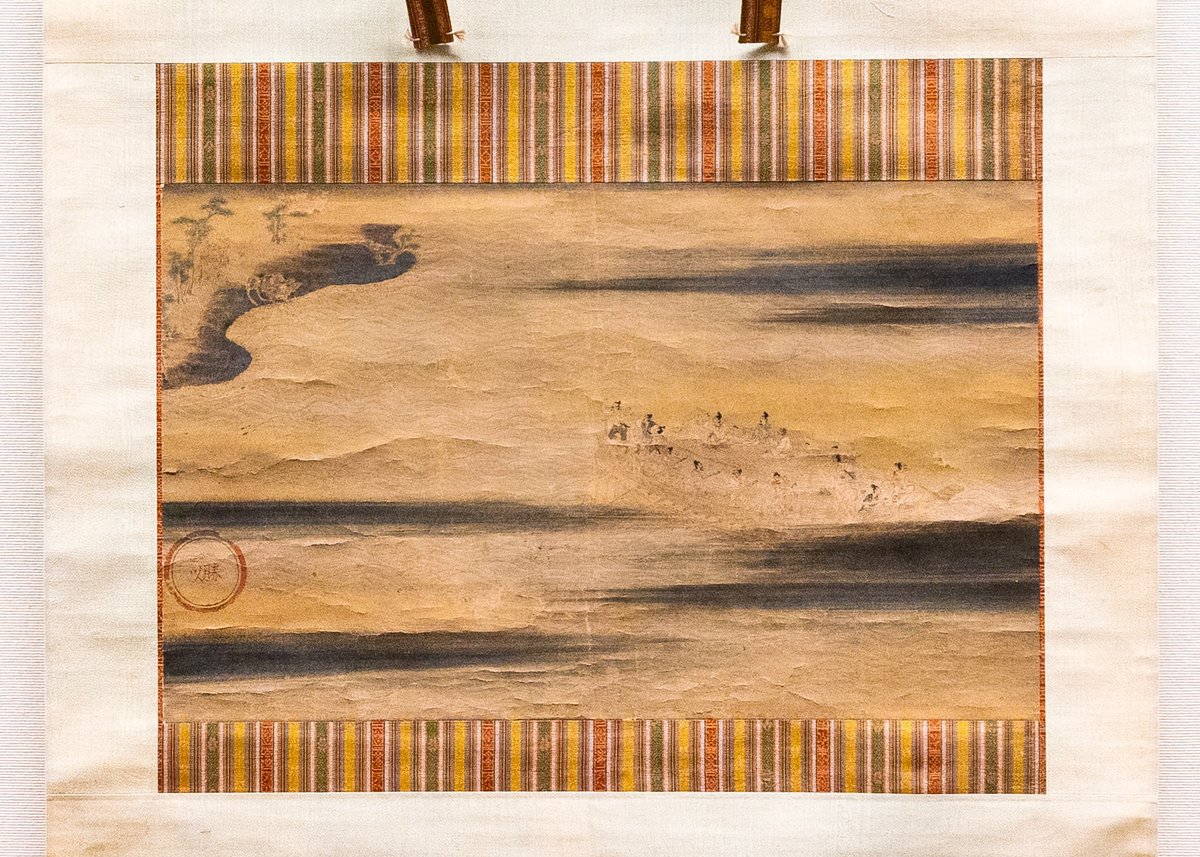
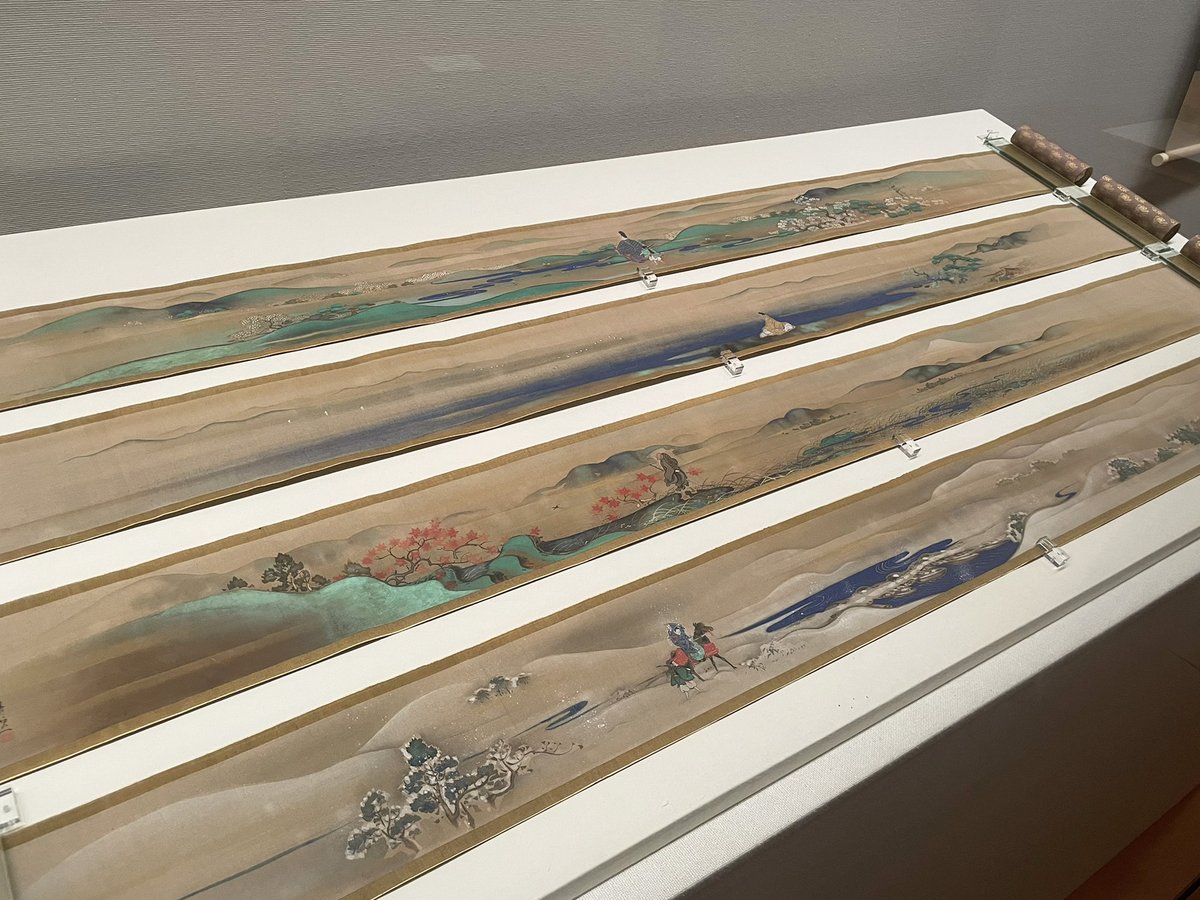
Hosomi Museum in Kyoto is drawing attention to Suzuki Kisen’s 'Four Seasons Song Scrolls', a small four-volume work described by the museum as depicting the changing seasons alongside lively, flowing water. The institution shared the recommendation through an internship student’s note, focusing on the scrolls’ seasonal imagery and the way water scenes are handled across the set.
According to the museum’s description, each season in 'Four Seasons Song Scrolls' presents a different water scene, rendered with detailed artistic care. The work pairs those landscapes with the cheerful expressions of poets, creating an atmosphere the museum characterized as soothing. The description emphasizes the interplay between natural imagery and human figures rather than a single narrative scene.
The museum’s post frames the work as a compact but layered object: four small scrolls that together trace the year’s changing seasons. That format gives the piece a sequential quality, with variations in water, landscape, and mood across the seasons. The museum’s language suggests that the appeal lies both in the visual refinement of the depictions and in the harmony between the figures and the surrounding landscape elements.
Hosomi Museum did not provide additional curatorial background in the source material beyond the intern’s recommendation and the exhibition-room notice that photography is prohibited inside the gallery. No further details were supplied about the work’s date, provenance, or the broader exhibition context in the posted text, and those specifics are not stated in the verified source.
The museum’s social media post presents the scrolls as a point of interest for visitors already inside the exhibition room, rather than as part of a separate event announcement. Its concise note underscores the piece’s seasonal structure and the vivid presence of water in each section, both of which appear to be central to how the museum is encouraging viewers to look at the work.
Suzuki Kisen’s 'Four Seasons Song Scrolls' are being highlighted at Hosomi Museum, where the institution’s student recommendation draws attention to the scrolls’ changing seasonal scenes, lively water imagery, and the calm effect of the poets’ expressions within the landscape.