 Image: Getty Villa, Los Angeles
Getty has published a new feature on Simone Forti that places the artist’s notebooks at the center of her long career, describing the archive as a body of work that can now be read not simply as documentation, but as art itself. The article, titled 'The Body on the Page,' was written by Sam Sweet and published on March 25, 2026.
The Getty Research Institute holds Forti’s archive, which the piece says documents nearly seven decades of artistic activity. Forti, born in 1935, is presented as a singular figure in American art whose practice spans dance, choreography, writing, video, sculpture, music, and holograms. Getty’s article frames the notebooks as a private stage for creative development, noting that they contain diary entries, sketches, workshop notes, doodles, and stream-of-consciousness writing from the 1950s through the 2010s.
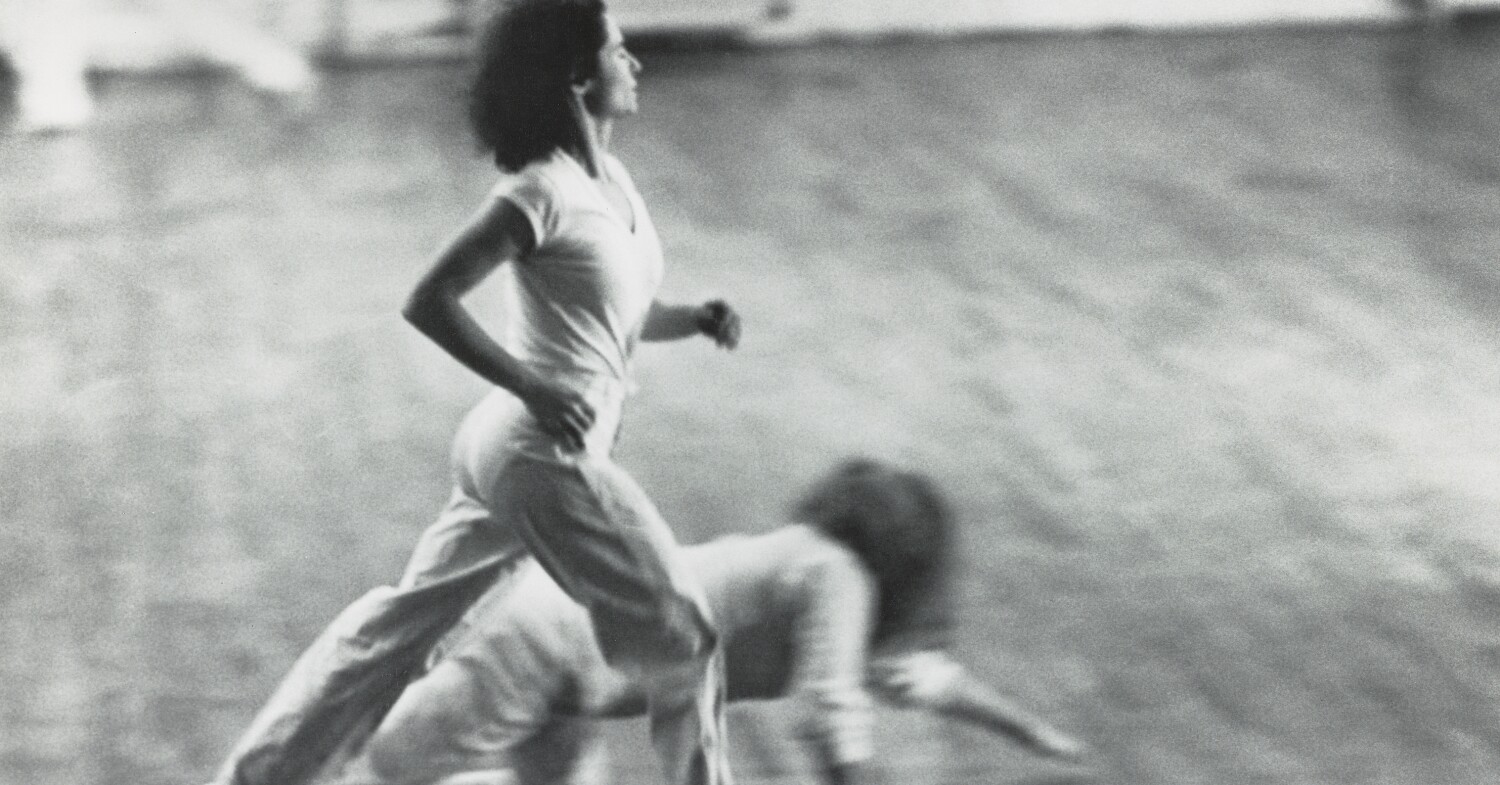
At the center of the story is 'Open Gardenia,' a free-form dance workshop Forti envisioned after returning to Los Angeles from New York in fall 1970. According to Getty, the workshop lasted a little more than a year and was witnessed by fewer than two dozen people, but it marked a major breakthrough in Forti’s artistic evolution. The article describes it as an attempt to dissolve boundaries between dancers and musicians and to encourage collective improvisation, with Forti writing that she wanted to find her way back to being “in a dance state.”
Getty’s feature places special emphasis on how the notebooks record this transformation in real time. Forti’s pages include reflections on dreams, songs, animal movement, romantic obsessions, poetry, daily finances, phone numbers, drafts of letters, I Ching hexagrams, vows, affirmations, and visions for new works. The article also reproduces notebook excerpts in which Forti outlines a sequence of practices: preparing and tuning herself through discipline, then exposing herself through wandering, listening, and looking, before acting in faith and allowing “the way” to present itself.
The archive, Getty writes, makes visible a period when Forti was reshaping her relationship to movement and to her own identity. The article notes that after her divorce from artist Robert Whitman, and after earlier marriage to sculptor Robert Morris, Forti readopted her given surname in her professional life. It also situates her return to Los Angeles in the context of her family history, saying that her parents had fled Italy to escape Fascism when she was 3 and later settled in West Los Angeles.
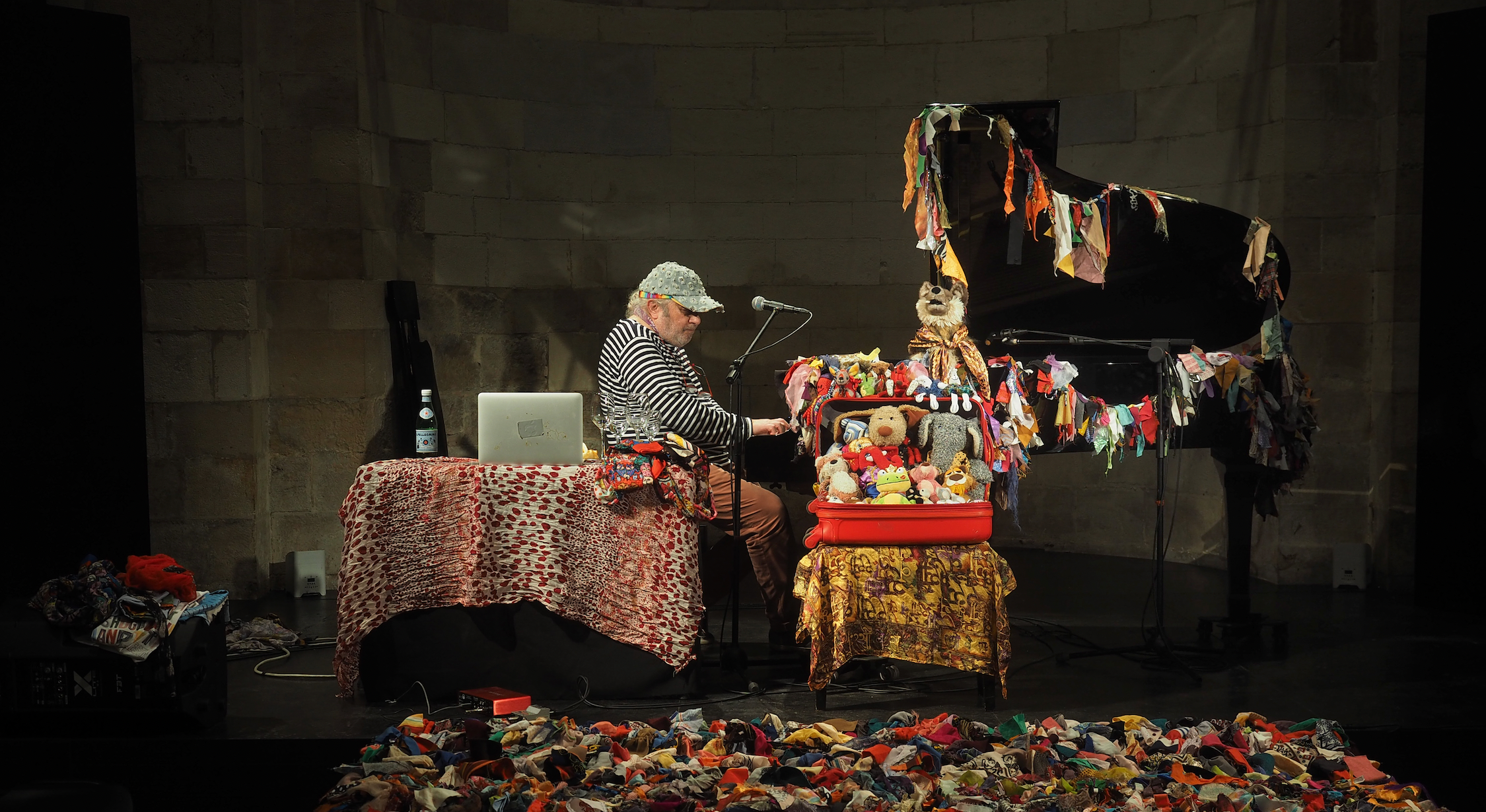
The piece further connects Forti’s work in Los Angeles to her collaborations and teaching environment in the early 1970s, including her time with Alison Knowles, Peter Van Riper, and Nam June Paik in Los Feliz, and her association with CalArts. Getty also notes that Forti’s collaboration with Charlemagne Palestine helped sustain the improvisational spirit of 'Open Gardenia' through the piece 'Illuminations,' which Forti and Palestine would perform intermittently over the following five decades.
Getty closes the article by pointing readers to the Simone Forti papers at the Getty Research Institute, underscoring the institution’s role in preserving and making accessible an archive that spans from early notebooks to later reflections. The article presents the notebooks as a form through which Forti treated inscription itself as movement, balance, and reorientation, and as a record of the artist’s evolving practice across decades.