 Image: Ben Uri Gallery, London
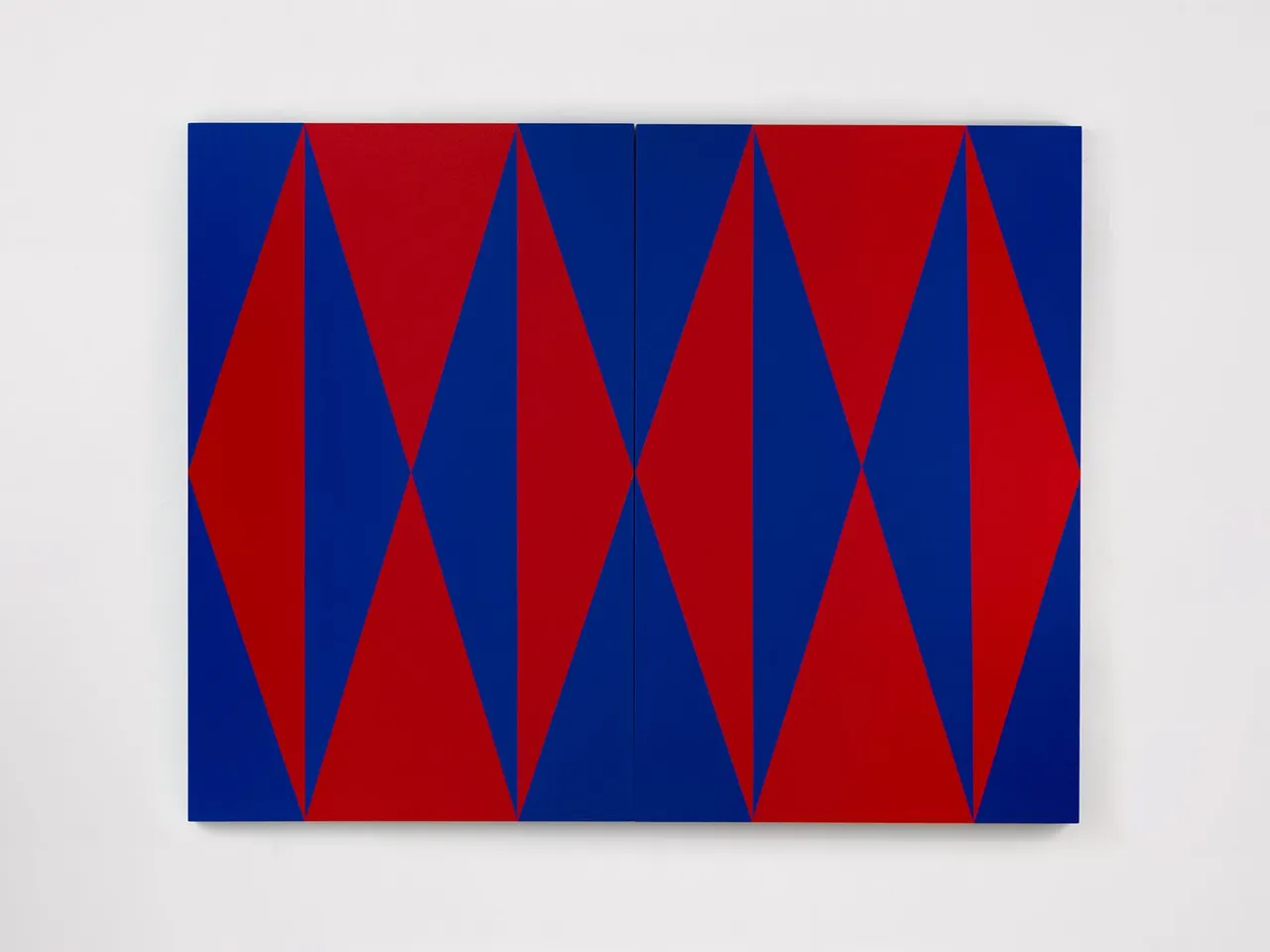
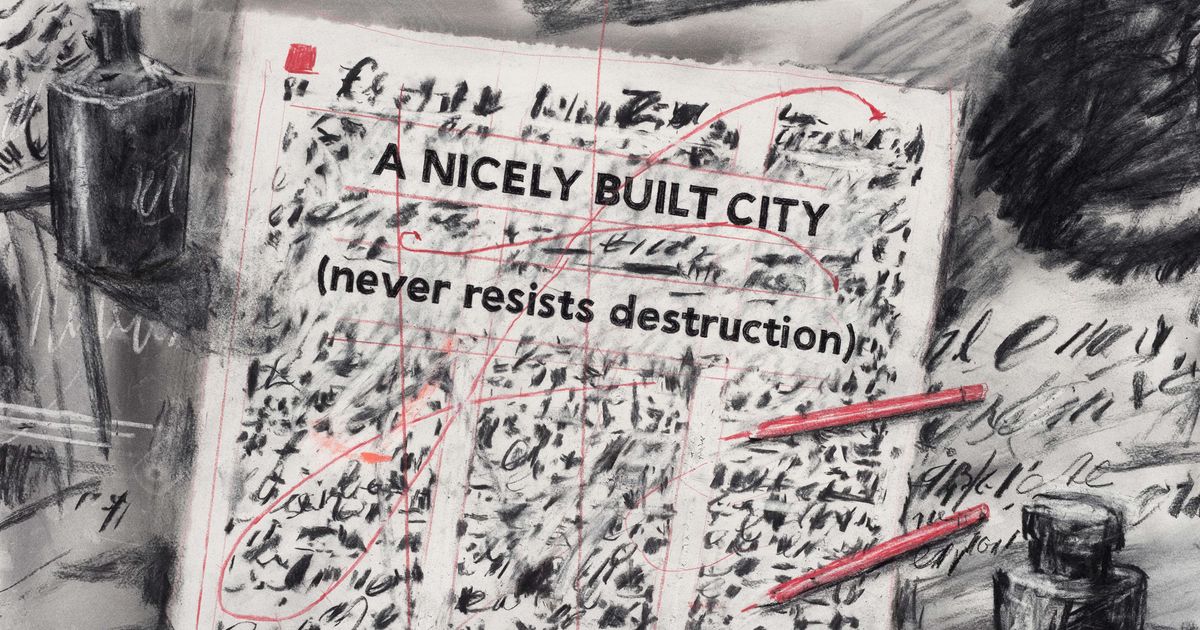
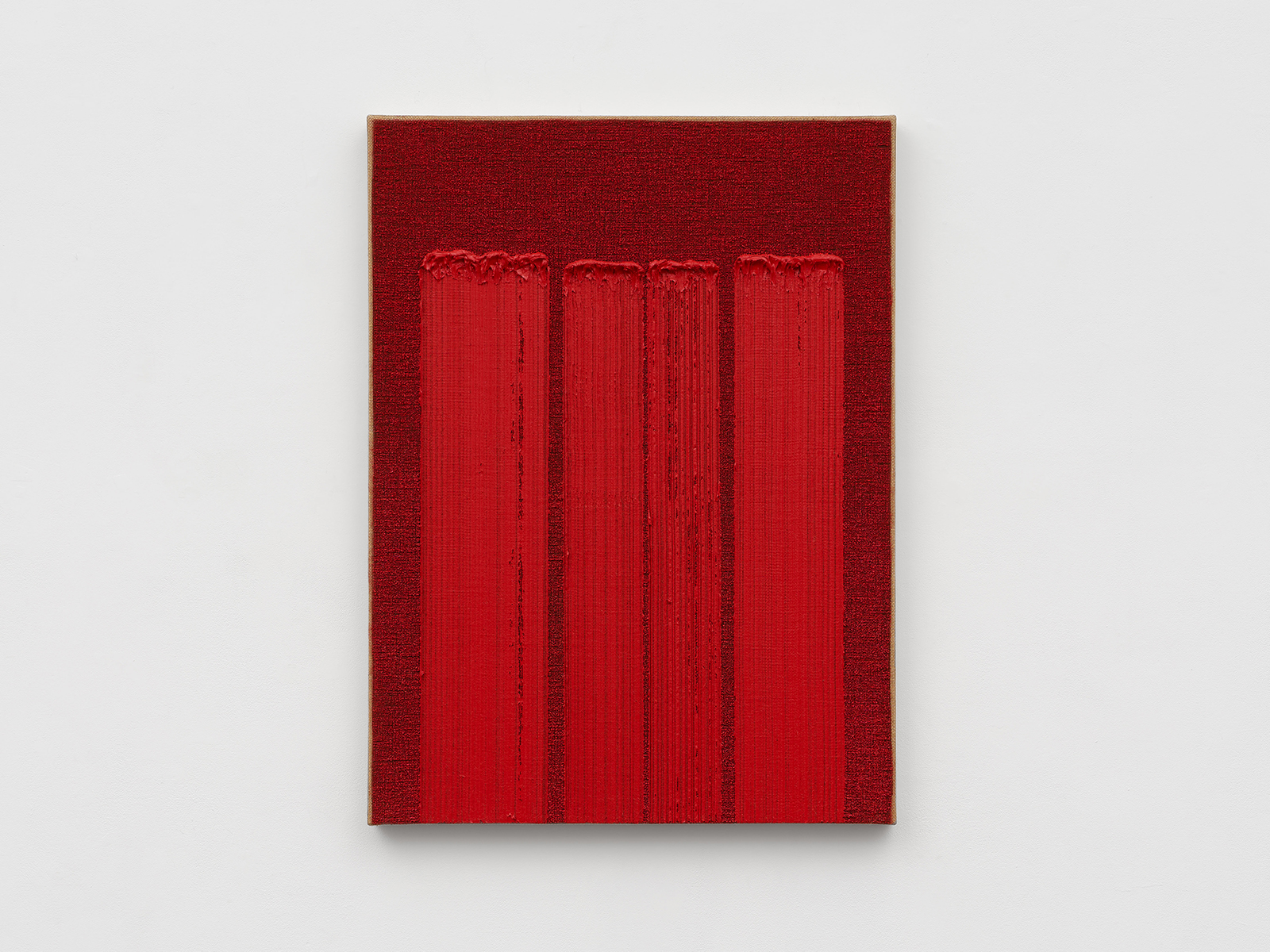
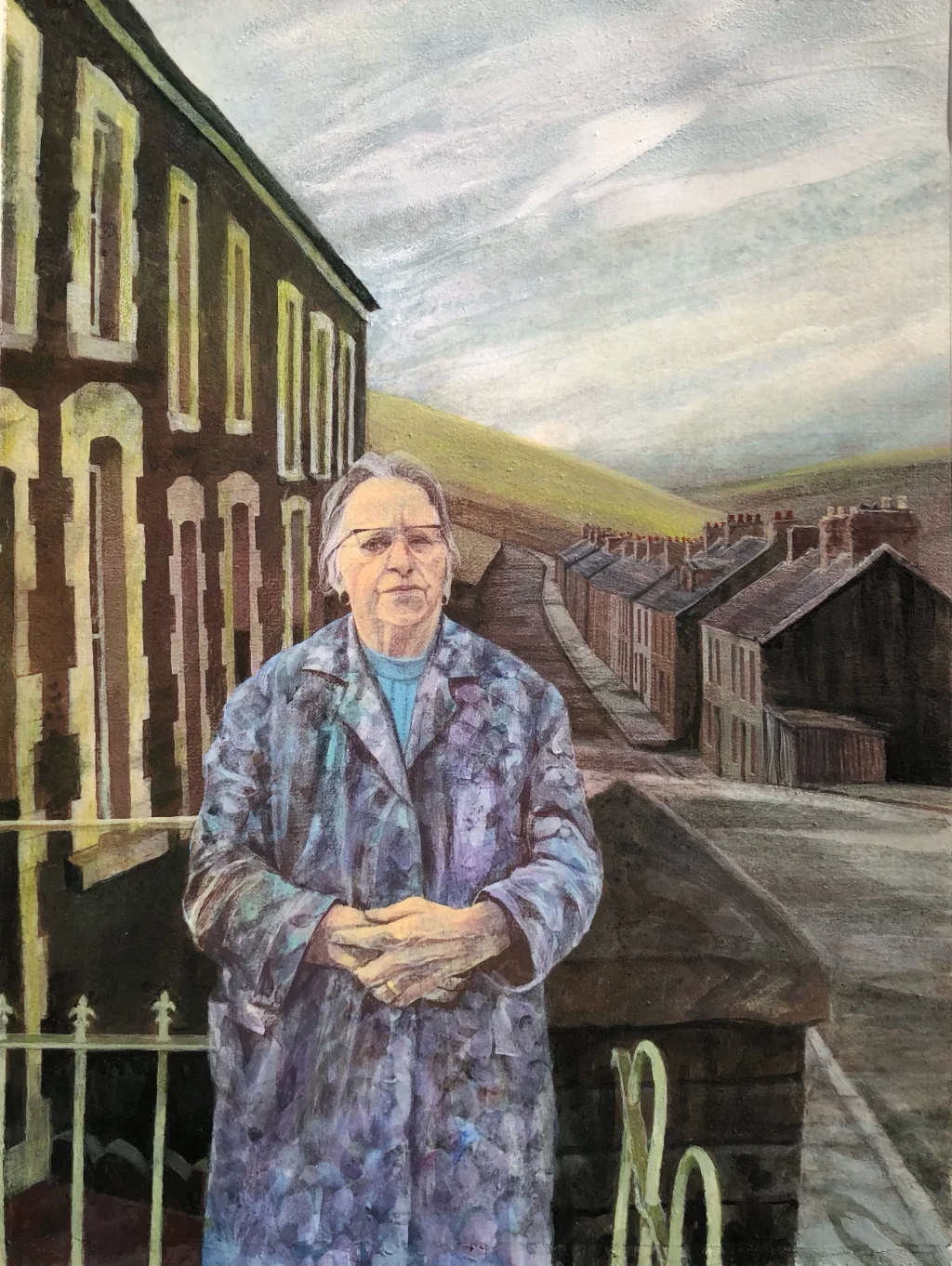
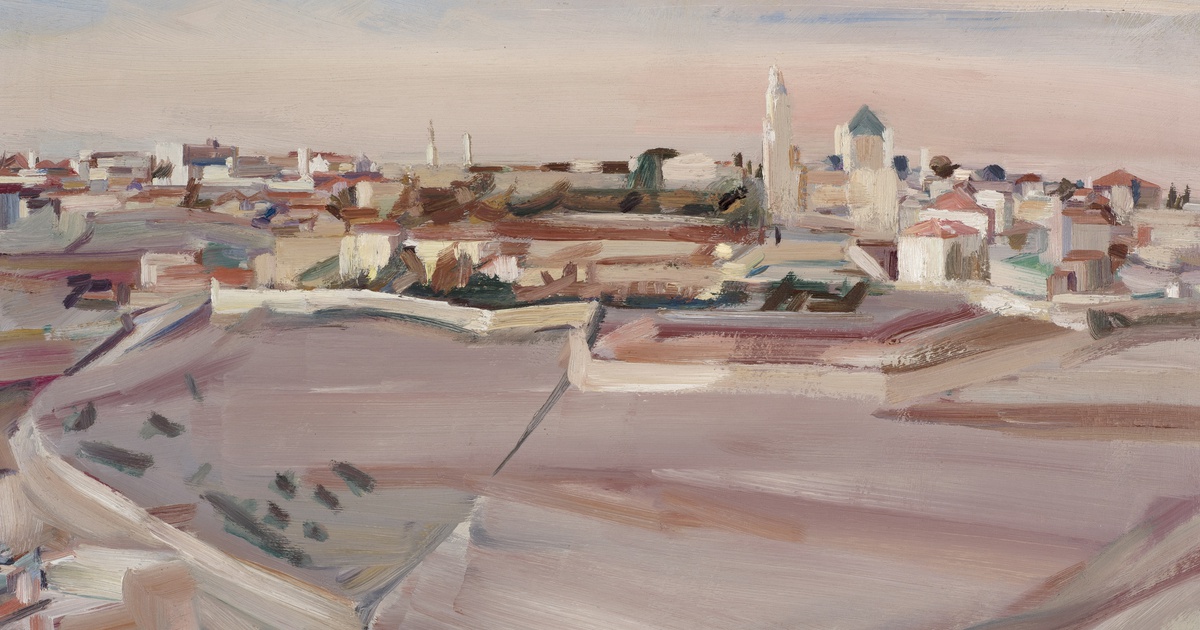
Ben Uri Gallery says its exhibition “Disruptors” is attracting a positive response, with visitors continuing to come in as word of mouth and the gallery’s advertising in the Times Literary Supplement help drive attendance. The London institution has framed the show as part of its long-running mission to record and present the contribution of Jewish, refugee and wider immigrant artists to British visual culture since 1900.
The exhibition sits squarely within Ben Uri’s identity as a research-led museum and gallery with a physical base at 108a Boundary Road in St John’s Wood. On its website the institution describes itself as a pioneering digital research centre and museum, while its Research Unit presents extensive online resources, essays, catalogues, artist profiles and archival material connected to migration and British art. That context gives “Disruptors” a significance that goes beyond a single show: it reflects an established institutional focus on how displaced and migrant artists have shaped the country’s art history.
According to Ben Uri’s weekly update, “Disruptors” is showcasing migrant and refugee artists’ contributions to British art and is being well received by visitors. The gallery also presents itself as a place to linger, noting that its fully air-conditioned building is “the coolest place in town” during the heat. The same message encourages visitors to spend more time with the gallery’s collection and its art library, which Ben Uri says contains more than 2,000 books.
That emphasis on research and access is central to Ben Uri’s wider programme. The institution says it is dedicated to celebrating, researching and recording the richly diverse Jewish, refugee and immigrant contribution to British visual culture, and its online platforms include exhibitions, collection records, essays, dissertations, podcasts and video content. The gallery’s collection pages describe it as one of the most comprehensive collections of works by immigrant artists in the UK and the international museum sector, with a remit that expanded in 2001 to include immigrant artists from all ethnic and religious origins who have helped enrich British culture.
The “Disruptors” exhibition therefore matters not only as a current attraction but as part of a larger attempt to reframe the art historical record. Ben Uri’s public-facing materials repeatedly stress migration, exile and diaspora as central themes, and its online archive includes long-form scholarship on artists whose work has often been discussed in relation to Britain through those lenses. In that sense, the positive reception around “Disruptors” suggests an audience appetite for exhibitions that connect artistic production to histories of displacement and cultural transformation.
The gallery’s weekly notice also points visitors toward related programming and resources, including a Friday evening Zoom lecture by Dr. Anne-Grit Becker titled “The World as a Migrant Microdot,” and the institution’s broader research library of essays and catalogues. While the exhibition’s full checklist is not provided in the source material, the institutional framing is clear: “Disruptors” is being presented as an opportunity to engage with the art of migrant and refugee artists in a setting that combines exhibition-making, scholarship and public access.