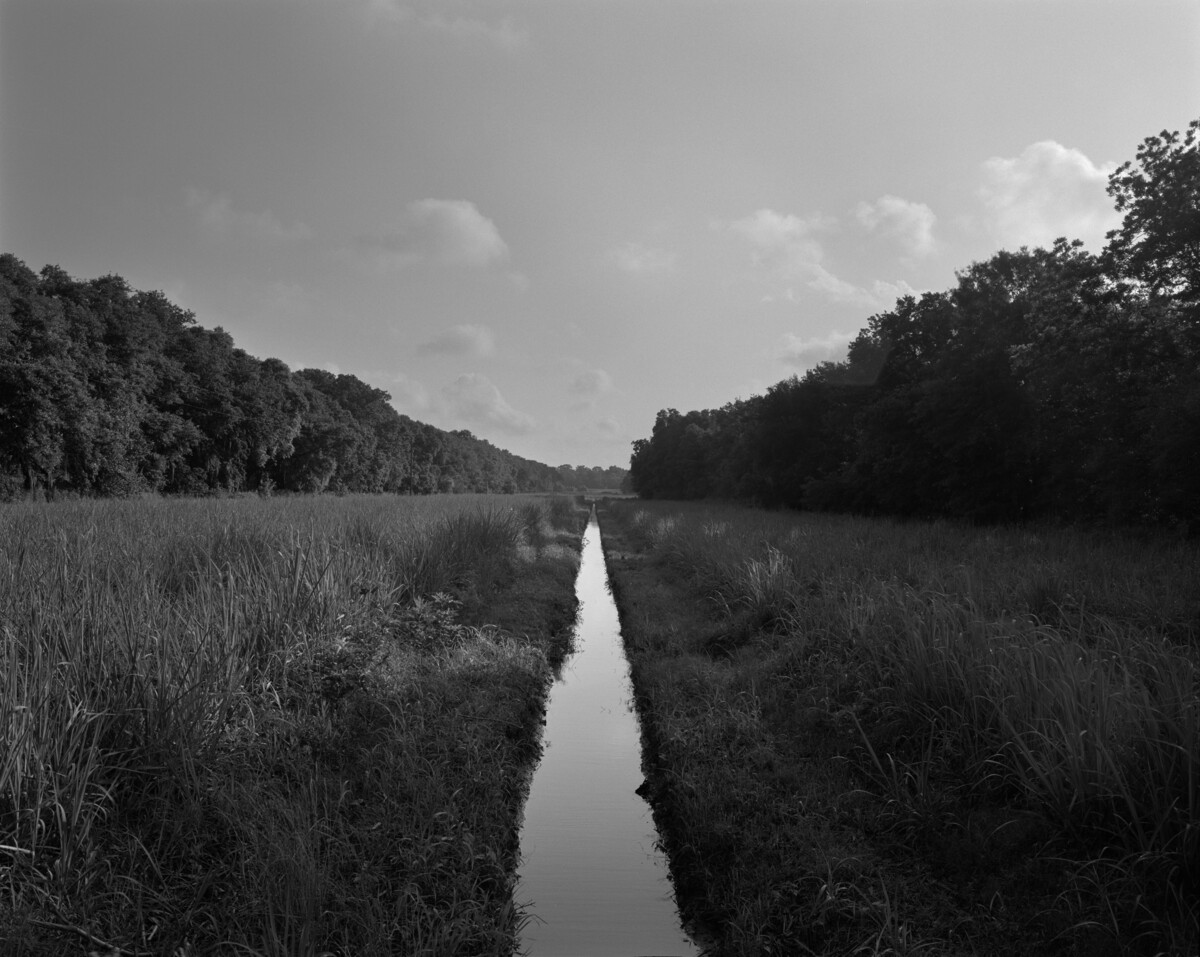
 Image: Art Gallery of Ontario, Toronto
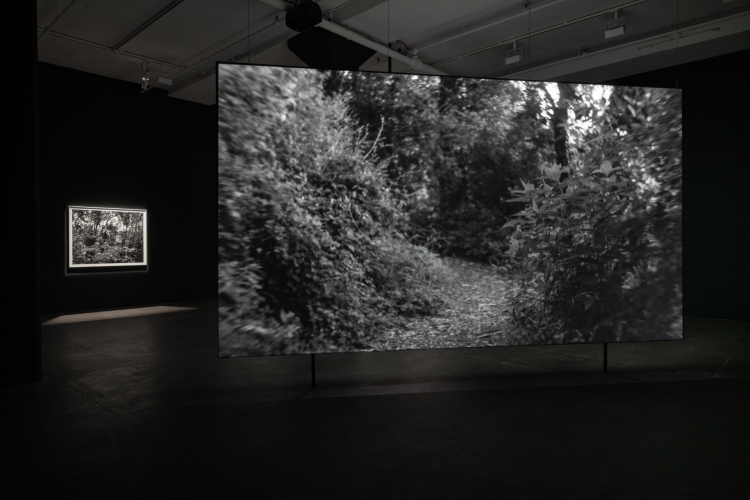
Dawoud Bey’s first exhibition at the Art Gallery of Ontario brings his landscape photography into the Murray Frum Gallery on Level 2, where large-scale black-and-white images are presented as records of histories that remain embedded in the land. 'Dawoud Bey: Material Histories, Living Landscapes' is now on view in gallery 249 and gathers works from several of the artist’s landscape-based projects, including photographs tied to former plantations, former slave trails and sites along the Underground Railroad.
The AGO describes Bey’s practice as one that uses American landscapes as a repository for ancestral stories. In the exhibition, the artist’s photographs of former plantations in Louisiana from 'In This Here Place' (2019) and images from 'Stony the Road' (2023), which reconstruct the journey made by enslaved Africans along the Richmond Slave Trail, are arranged around the gallery’s perimeter. At the entrance, visitors encounter a large vinyl reproduction from 'Night Coming Tenderly, Black' (2017), showing Lake Erie from Ohio looking north to Canada. The works are on loan from the Rennie Collection in Vancouver.
At the centre of the installation is '350,000', a two-channel video made as a companion to 'Stony the Road'. The film uses black-and-white cinematography together with a soundtrack of breaths and body percussion to create a first-person perspective of the Richmond Slave Trail. According to the AGO, the work was developed by Bey with TBA curator Allison Glenn for the 2026 Toronto Biennial of Art, which co-presents the installation. The exhibition also includes artworks and objects from the AGO’s Frum Collection.
Bey selected four African sculptures for the presentation, bringing them into dialogue with the photographs and video. The AGO says these works visually and historically represent a call-and-response between West African histories in the United States and Canada and those held in Nigeria, Ghana and the Kongo. Their placement extends the exhibition beyond landscape photography alone, connecting the land-based images to objects that carry other dimensions of historical memory and cultural presence.
In a Q&A published by Foyer, Bey said he is interested in making “the unseen visible” and in using the visual language of landscape photography to assert Black presence within a tradition often associated with surveys of empty land. He also described why he works in black-and-white and at large scale, saying the material and physical experience of the prints help suggest history and draw viewers into the pictures. The interview also touches on the role of the African objects in the exhibition and on the development of '350,000'.
The AGO’s article presents the installation as Bey’s debut exhibition at the museum, which is on view now through July 4, 2027. The exhibition is presented in partnership with the Toronto Biennial of Art and is installed in the Murray Frum Gallery on Level 2 of the AGO (gallery 249).