 Image: Oklahoma City Museum of Art
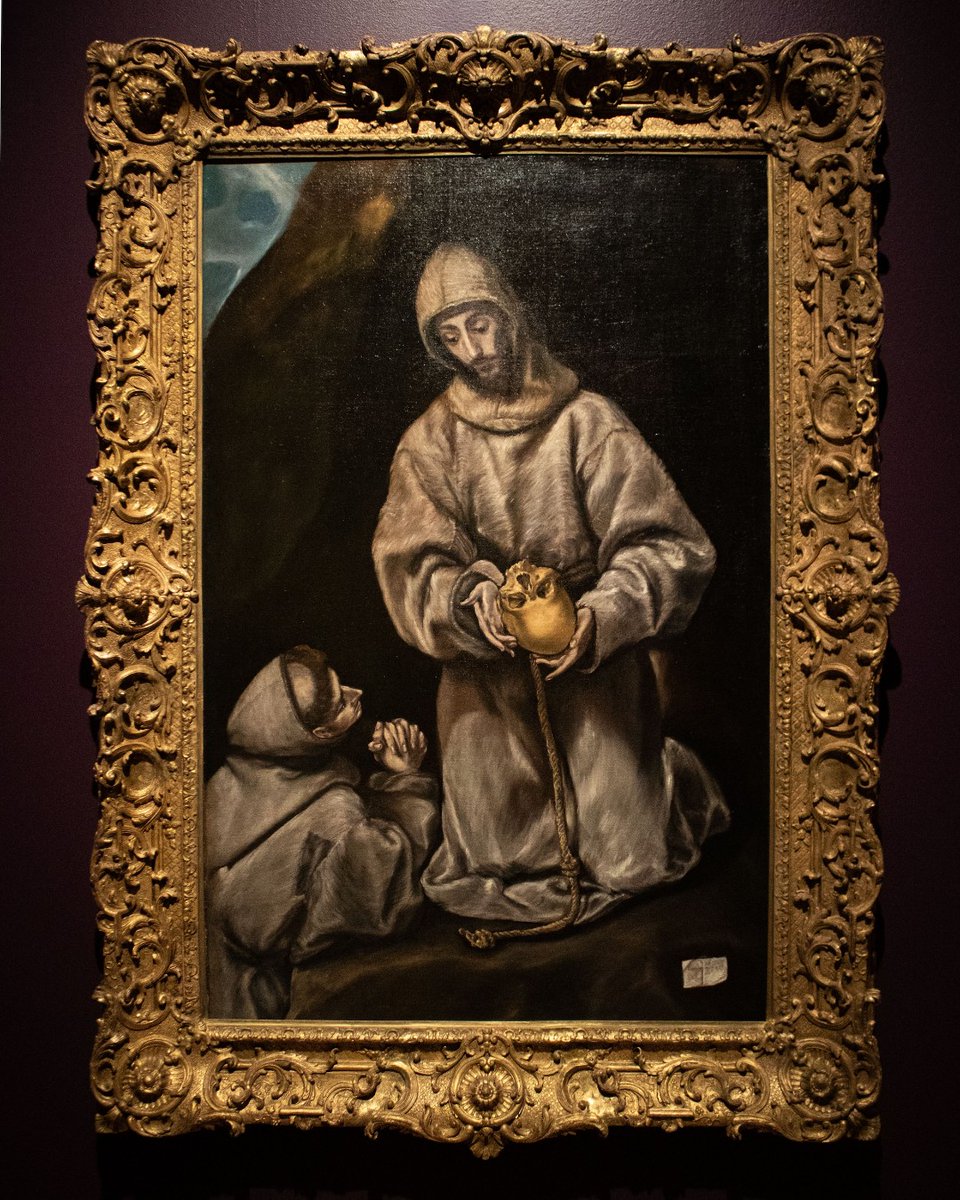
Representations of Saint Francis of Assisi, especially images that stress his ascetic and contemplative life, became a model of Christian devotion promoted during the Counter-Reformation, according to a post from the Oklahoma City Museum of Art. The museum’s note links those portrayals to the broader Catholic response initiated by the Council of Trent, which met from 1545 to 1563 to strengthen Catholic practice.
The source material does not describe a specific exhibition, loan, or installation, and it does not name individual works or artists. Instead, it offers a brief historical framing for understanding how Saint Francis was represented in religious art in the period after the Council of Trent. In that context, his image served not simply as biography or hagiography, but as a visual vehicle for devotional ideals emphasized by Catholic reformers.
The emphasis on Francis’s asceticism is significant because it aligns with the Counter-Reformation’s preference for clear, spiritually direct imagery. By highlighting contemplation, poverty and discipline, such representations underscored the saint’s role as an exemplar of Catholic devotion. The museum’s post situates these images within that reforming climate, when religious art was expected to support doctrine and encourage piety.
Saint Francis of Assisi has long occupied a central place in Christian art, but the museum’s wording points specifically to the ways his figure was understood during the Counter-Reformation. The period’s religious imagery often sought to make saints legible as models for behavior, and Francis’s life offered a particularly strong example of humility and renunciation. That made him a useful subject for artists working within the devotional priorities emerging from Trent.
No date, venue, or exhibition schedule is provided in the available material, and no accompanying programming is listed. The post stands as a concise curatorial or educational statement rather than an announcement of a public event. It identifies a historical theme: the use of Saint Francis imagery to embody the Catholic devotional model advanced during the Counter-Reformation.