 Image: Kunstnernes Hus, Oslo
Kunstnernes Hus in Oslo is presenting a summer programme centered on three exhibitions: Cecilia Vicuña’s Minga for havet, Amber Ablett’s Hvileåret, and the MFA graduation exhibition ANTENNE ANTENNE by students from the Oslo National Academy of the Arts. The institution says visitors can explore the shows on their own or through guided tours and related events, and that the house remains open throughout the summer except on Mondays.
The exhibition calendar on the Kunstnernes Hus website lists Vicuña and Ablett’s exhibitions as running from 29 May to 9 August 2026, while ANTENNE ANTENNE opened on 5 June and runs until 2 August 2026. Together, the three shows place an international artist, a contemporary Norwegian artist and a new generation of graduating artists into the same institutional frame, giving the season a notably broad generational and thematic range.
The summer presentation is supported by a programme of public mediation. Kunstnernes Hus is offering lunchtime tours in Norwegian and English, as well as open tours in English across July and early August. The institution also notes that these summer exhibitions can be experienced independently, underscoring a format that combines accessibility with structured interpretation for different audiences.
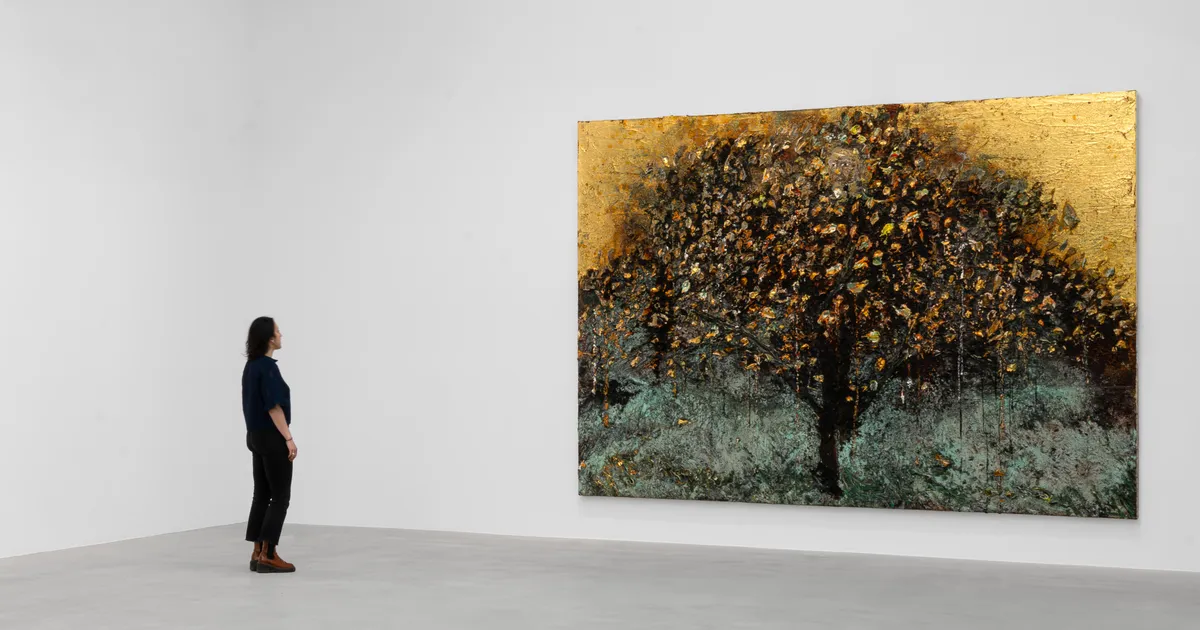
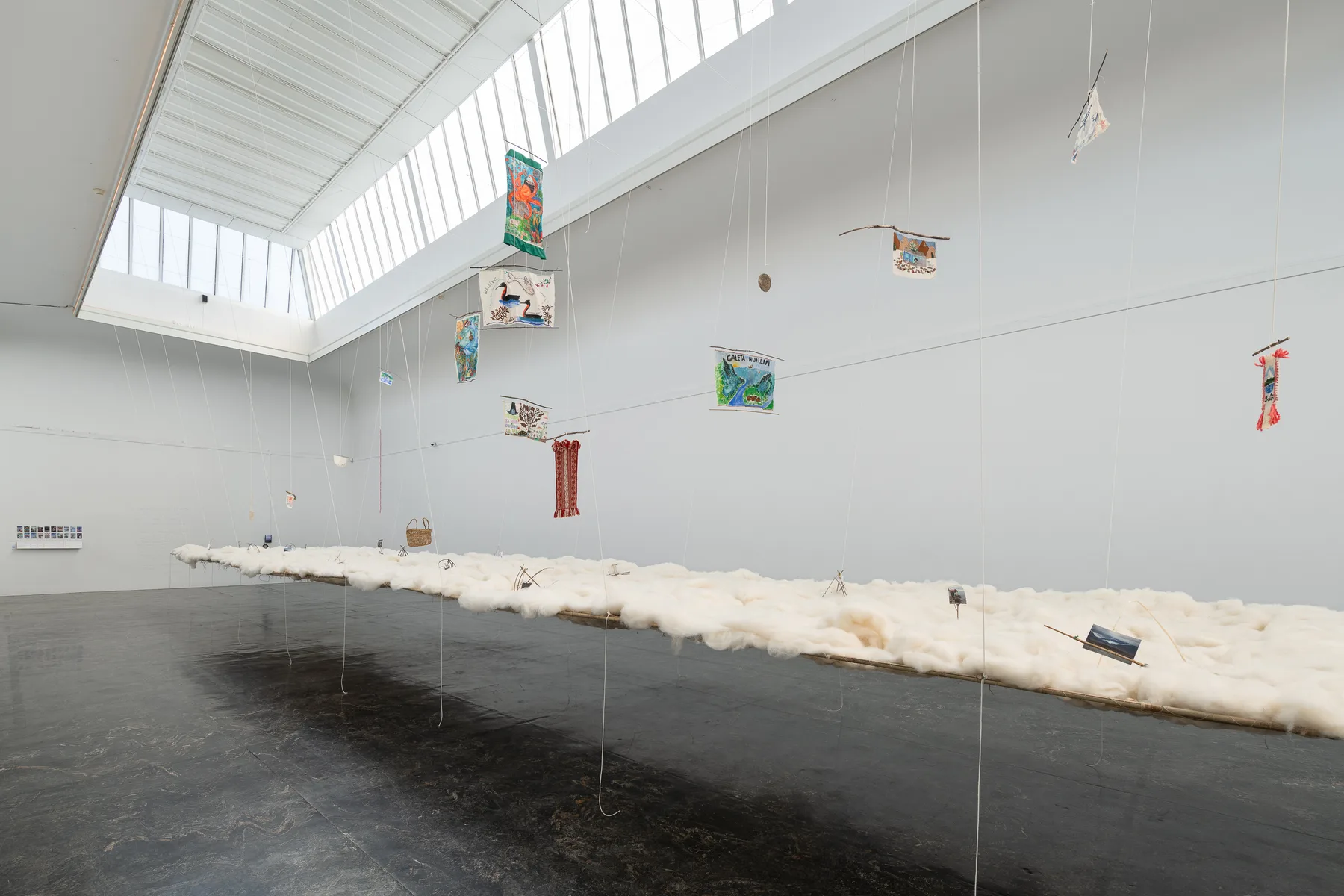
Among the season’s most prominent names is Cecilia Vicuña, whose exhibition title Minga for havet signals the institution’s interest in an artist whose work often engages ecology, collective action and language. Amber Ablett’s Hvileåret appears alongside it, extending the programme’s focus on contemporary practices that merit close attention within the wider Nordic and international scene. By placing these exhibitions next to the Oslo Academy’s MFA show, Kunstnernes Hus is positioning the summer as a cross-section of current artistic production rather than a single blockbuster display.
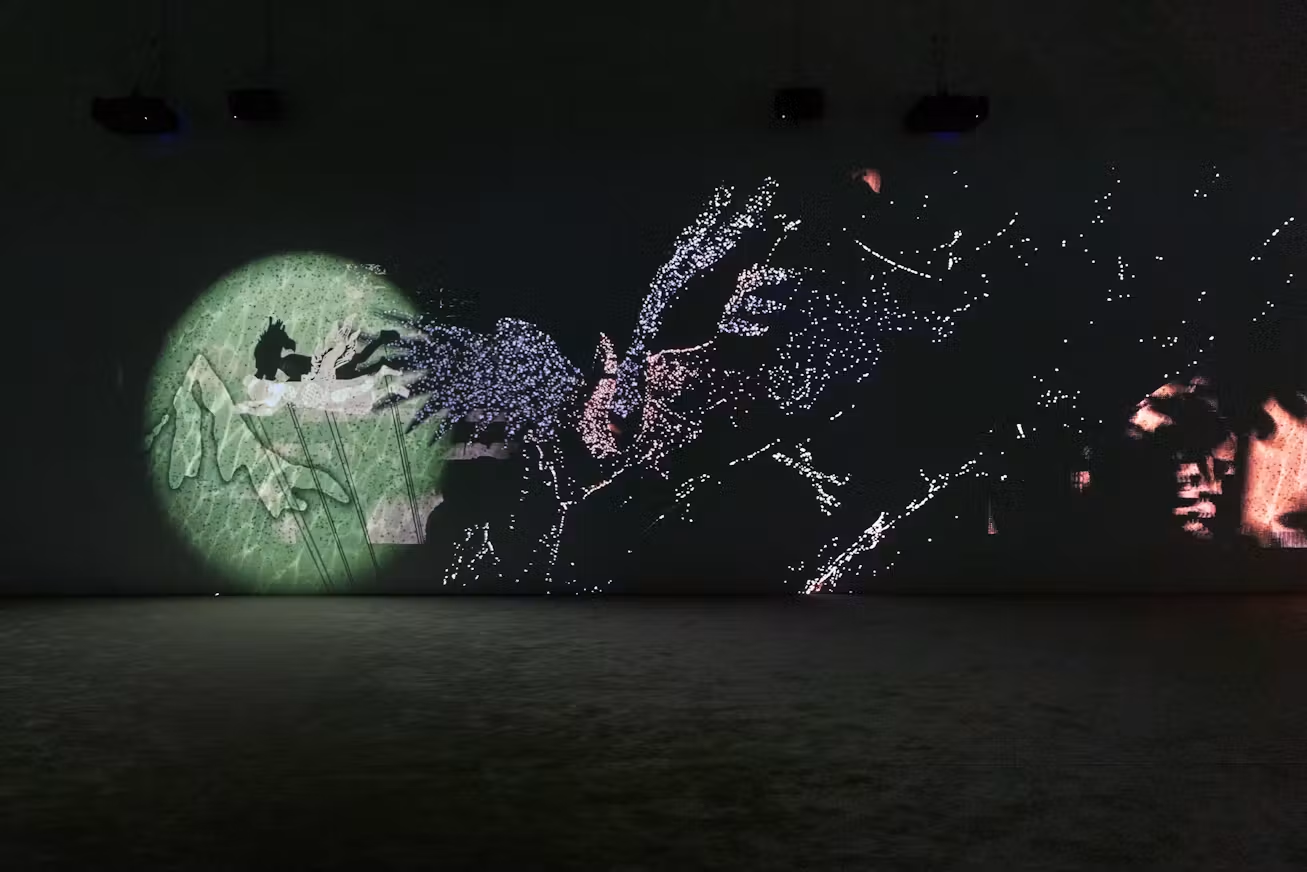
The graduation exhibition ANTENNE ANTENNE gives the programme a particular institutional significance. Final-year presentations at major art academies are often closely watched because they offer an early look at artists entering the field and at the concerns shaping emerging practice. At Kunstnernes Hus, the MFA show shares attention with established artists, allowing viewers to move between established reputations and first public statements from new graduates.
The wider summer programme also reflects Kunstnernes Hus’s role as more than an exhibition venue. The institution is pairing the shows with public tours, and it says the house is intended as a place “to be and rest” over the summer, according to director Sarah Lookofsky. That emphasis on hospitality and sustained access fits the building’s broader identity as a multi-programme cultural house that also includes cinema, events and a café-bar.
The season matters beyond Oslo because it captures a familiar but important curatorial function: bringing together artists at different stages of their careers and different scales of recognition within a single civic institution. In doing so, Kunstnernes Hus turns a summer programme into a snapshot of contemporary art’s present tense—one that links international practice, local talent and academic transition in a single public setting.