 Image: Kalmar konstmuseum, Kalmar
Kalmar konstmuseum is devoting a major solo exhibition to Gunilla Klingberg, whose new site-specific installations take mortality, grief and the natural world as their point of departure. Titled Grief Trails Bright Phantoms in Its Wake, the exhibition runs from 13 June to 27 September 2026 and is presented as a large-scale installation project in dialogue with the museum’s architecture.
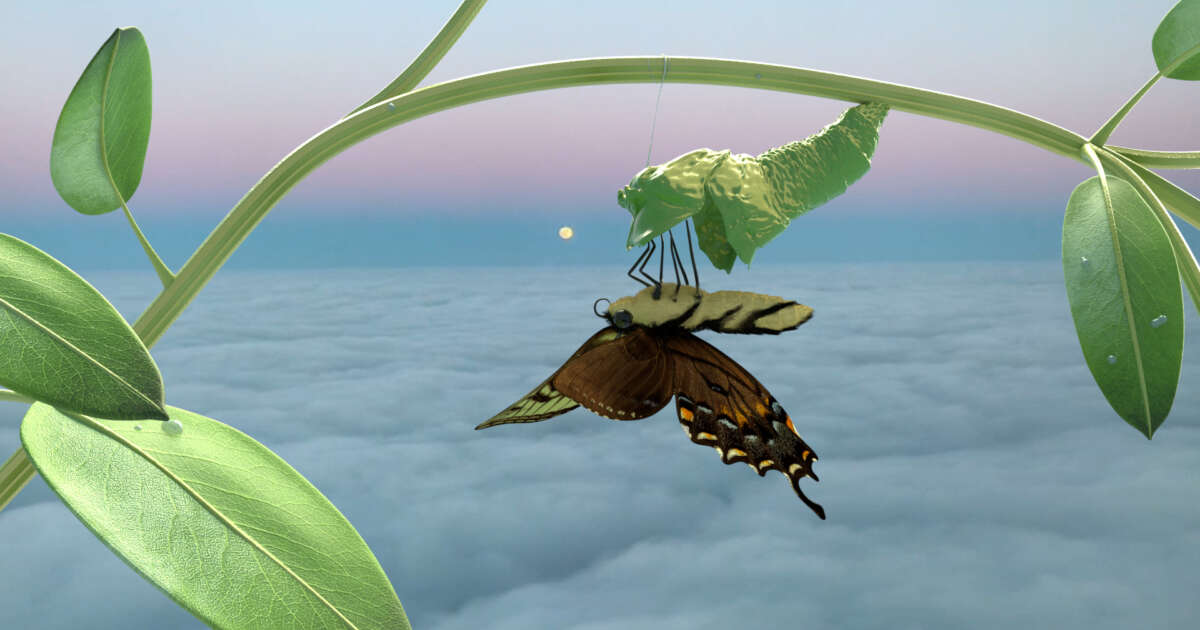
The exhibition’s starting point is the extinct butterfly species kronärtsblåvinge, which once lived in the Kalmar region and has not been seen since 2019. According to the museum, the species is now thought to be extinct. Klingberg’s project uses that absence to frame a broader reflection on loss and on what can still be sensed after a living body, or a species, is gone. The museum describes the work as addressing “the immeasurable and incomprehensible” and asks whether it is possible to perceive presence and absence in what no longer exists.
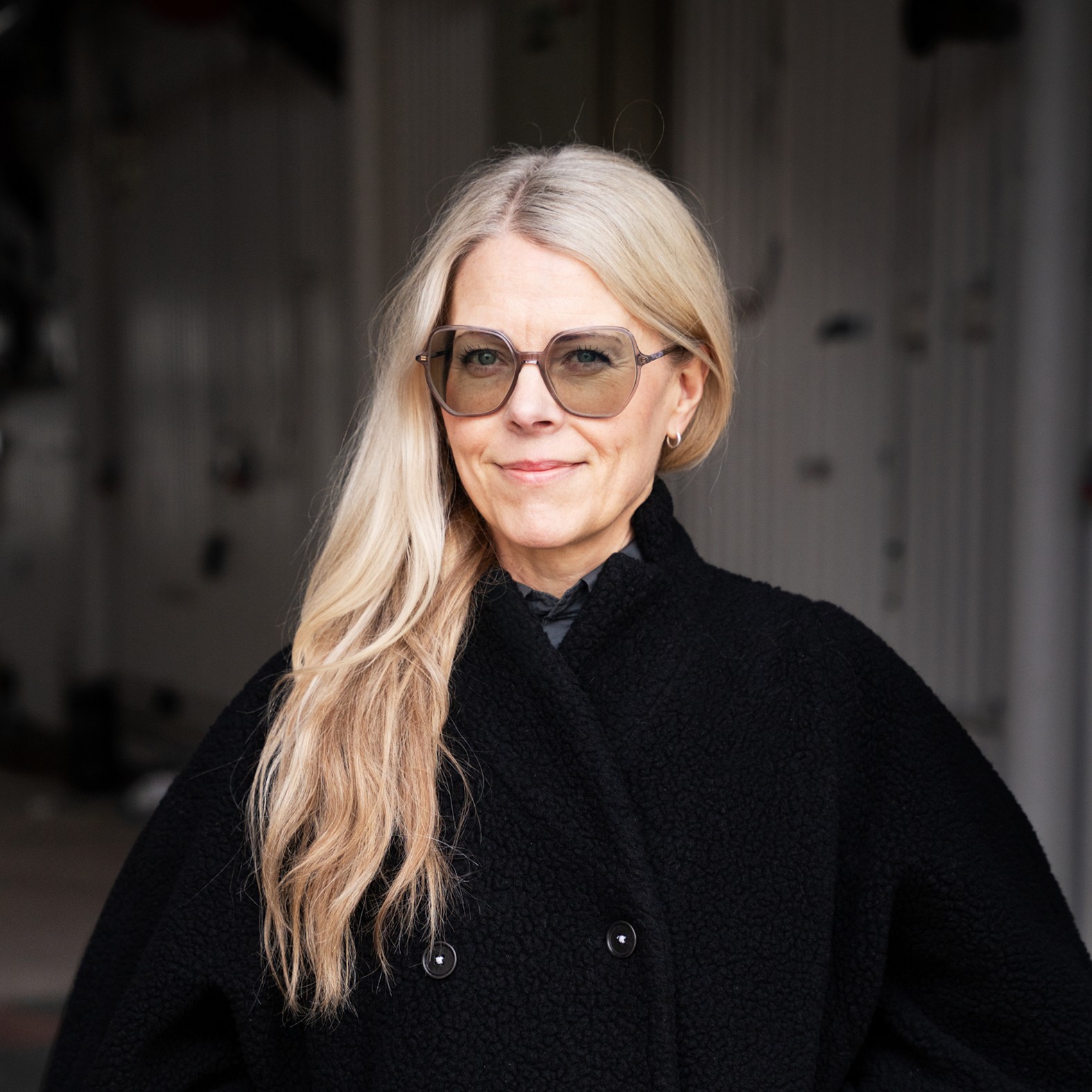
Klingberg, born in 1966, is among Sweden’s most established contemporary artists, known in particular for large public commissions and for work attentive to movement in nature and the cosmos. Kalmar konstmuseum says the exhibition features entirely new site-specific installations. Among them is Light and Darkness, in which a meaningful pattern emerges only after some time of looking, and the title work, Grief Trails Bright Phantoms in Its Wake, a monumental installation in which the butterfly, traces from the Ice Age and lifelines in a handprint are brought together as the pieces break up the museum’s large window area into something like a score.
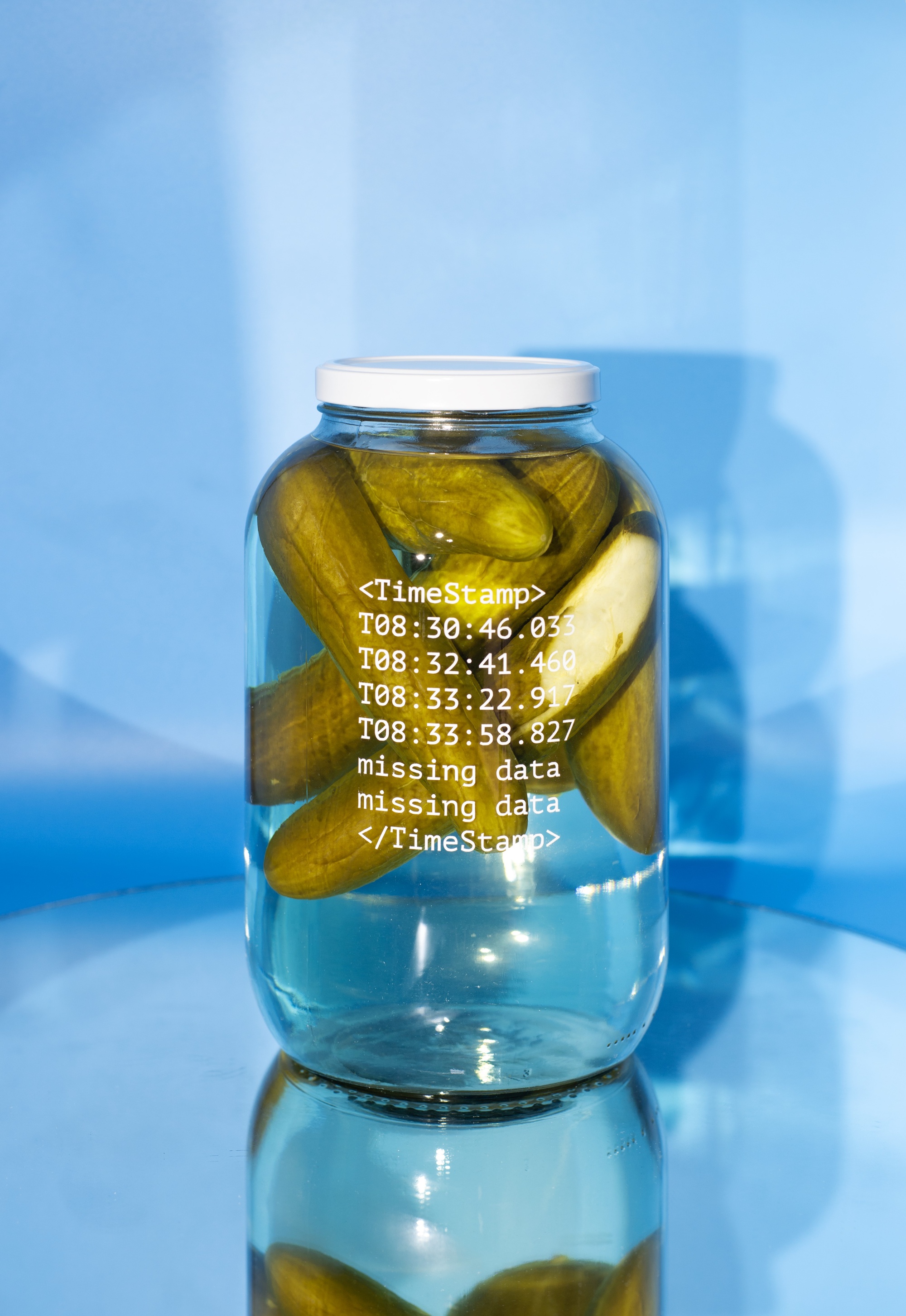
The exhibition also includes P U L S E (2024–2026), a series in which Klingberg has scanned the inside of garments once worn by a deceased close relative at the point where the fabric touched the body’s pulse. The title of the exhibition is borrowed from Nick Cave’s The Red Hand Files, where questions of grief and loss recur. The museum credits the sound design to Theodor Studio Klingberg Geschwind.
Kalmar konstmuseum is pairing the exhibition with a public programme that extends its themes beyond the gallery. On 20 July, the museum will host a talk, “Kronärtsblåvingen och de försvunna arterna” (“The chalkhill blue and the vanished species”), with biologist and butterfly collector Mats Lindeborg. The event listing says he will bring his best-preserved butterfly boxes and discuss the butterfly, his field observations and other critically endangered or disappeared species. A microscope will also be available for visitors to examine butterfly wing scales and colour shifts up close.
The museum is also running Konstparken activities inspired by the exhibition, inviting visitors of all ages to explore artistic expression, repetition, composition, pattern and printmaking by the waterfront. During the summer, the museum’s broader programme includes guided tours, lunch tours and events tied to Kalmar Stadsfest, placing Klingberg’s exhibition within a season of active public engagement.
The show matters beyond Kalmar because it brings one of Sweden’s most prominent artists into direct conversation with extinction, ecological memory and mourning at a time when museums increasingly frame art as a way to think through environmental change. By linking a locally vanished butterfly to a sculptural language of material traces, Klingberg turns a regional absence into a wider meditation on what art can hold onto when loss cannot be reversed.
!['Shimmer: Dreaming the Posthuman' to Open at the Frist Art Museum[f1][f2]](/uploads/newsletter-12548-0e30af0095de.jpg)