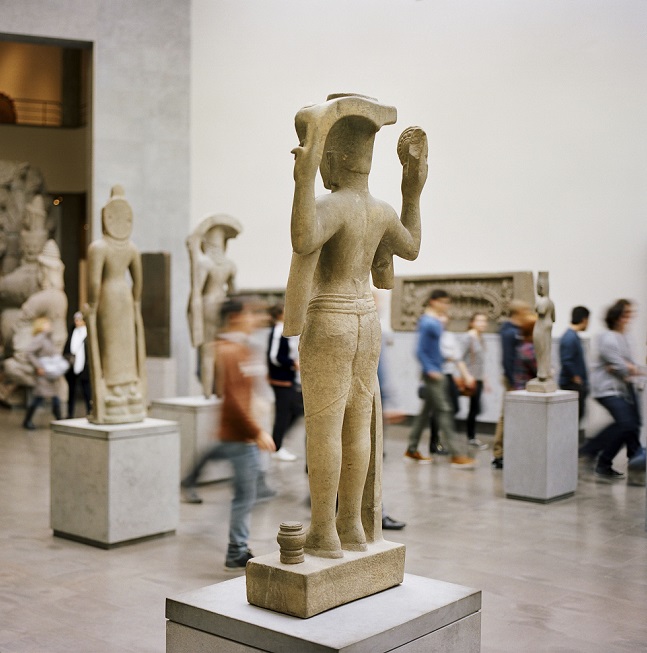
 Image: Guimet Museum, Paris
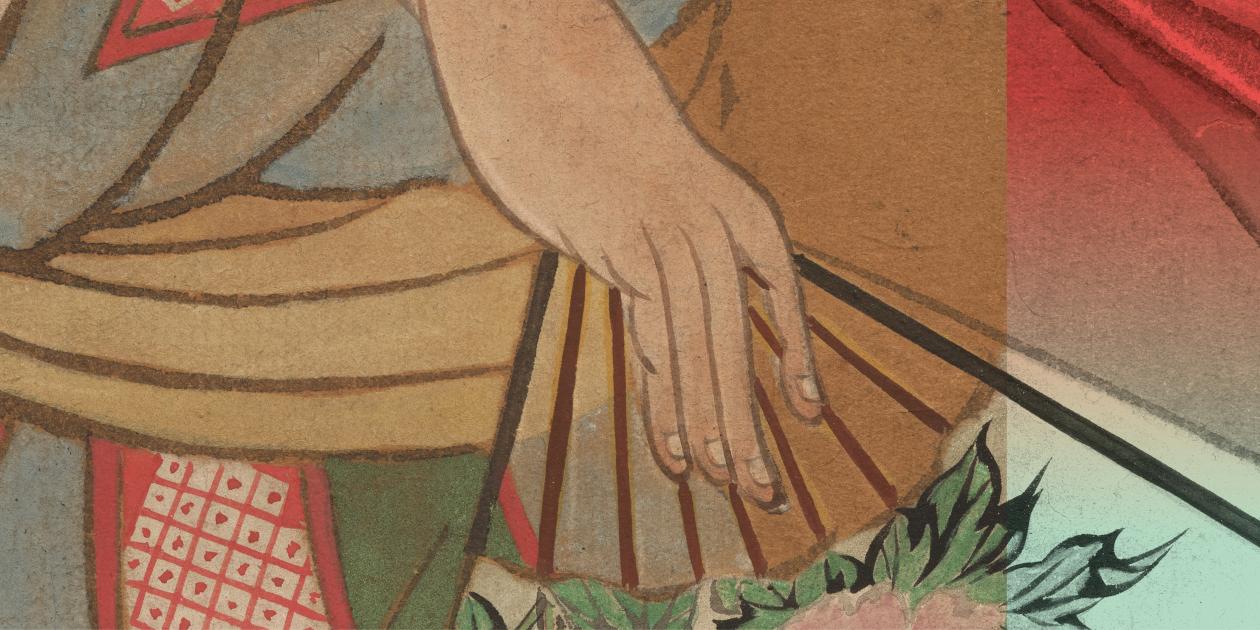
The Guimet Museum is highlighting one of the most significant early kingdoms on the Korean peninsula with an exhibition titled "Silla : L'Or et le Sacré." The presentation centers on royal treasures from Korea and aims to retrace the history of the Silla civilization through rare works and guided visits. In the museum’s event listing, the exhibition is framed as an opportunity to discover “trésors royaux de Corée” and the story of a “civilisation brillante,” signaling a major focus on Korean heritage within one of Paris’s key Asian art institutions.
The exhibition fits squarely within the Guimet Museum’s long-standing mission as a major repository for the arts of Asia. As France’s principal museum dedicated to Asian art, Guimet regularly uses its program to connect historical collections, scholarly interpretation, and public engagement. By placing Silla at the center of its calendar, the museum is adding visibility to a period of Korean history that is often less familiar to international audiences than the better-known artistic traditions of China or Japan.
That broader context matters. Silla, one of the Three Kingdoms of Korea, is closely associated with royal power, refined craftsmanship, and material culture that carried both political and spiritual meaning. The exhibition’s title, combining gold and the sacred, suggests an emphasis on the intertwined roles of prestige, ritual, and court culture in the kingdom’s art. While the source material does not list the individual objects on view, it does indicate that rare pieces are included, which points to the type of historical depth typically needed to present a civilization through surviving artifacts rather than through text alone.
The exhibition is also being supported by a program of related activities. The museum lists guided visits tied to "Silla : L'Or et le Sacré," along with a family storytelling visit titled "Récits fabuleux des royaumes de Corée." Two literary encounters are also scheduled in connection with the exhibition: "Il était une fois trois Corée(s)" and "Entre Histoire et légendes, le royaume de Silla." These events suggest that the museum is building a fuller public platform around the show, combining scholarship, interpretation, and family programming.
The wider calendar around the exhibition extends Guimet’s Korean programming into cultural performance and public conversation. The museum’s listing also includes concerts and stage events with Korean artists later in 2026, reinforcing the institution’s role as a venue where Asian art is presented not only as historical heritage but as an active cultural field. For visitors, this creates a layered way into the subject: visual art, storytelling, literature, and performance all in proximity to the exhibition.
Taken together, "Silla : L'Or et le Sacré" matters because it brings Korean early history into a prominent European museum setting through objects, interpretation, and public programming. For the art world, the exhibition is notable not simply as a display of royal treasures, but as part of a larger effort to broaden the international narrative around Asian art and to give a wider audience access to the visual culture of a formative Korean dynasty.